
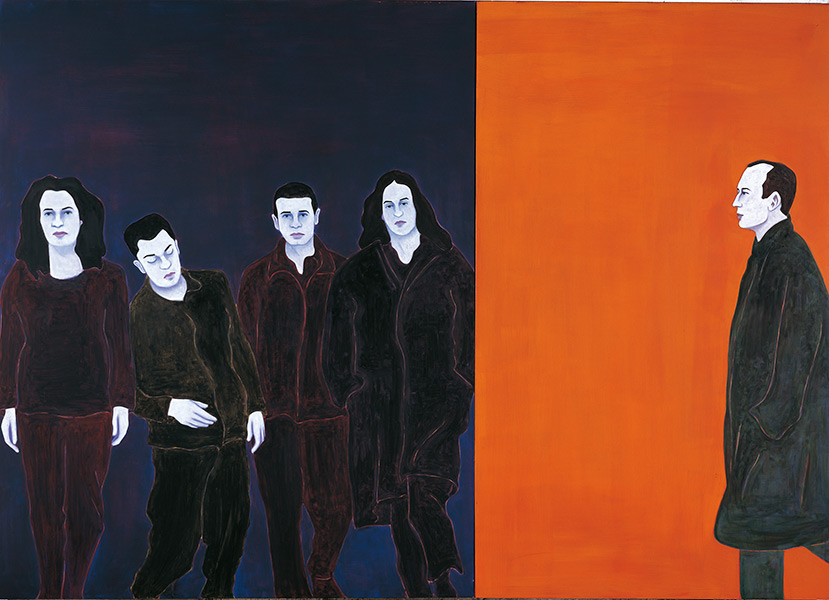
Without losing any of their tranquility and gentleness, the anonymous figures painted by Djamel Tatah (born in 1959), over the last thirty years, today engage in dialogue with the two largest collections in the Burgundian capital. The encaustic prints and canvases of the Franco-Algerian artist invade the most intimate rooms of the former private mansion of collectors Maurice and Jeanne Magnin (brother and sister) and resonate with the sculptures and paintings that have adorned its walls for more than a century. Here, two pretty portraits of veiled women dating from 2020 are placed next to the terracotta sculpture Blessed Ludovica Albertoni according to Bernini; there, a lying on a red background from 2016 sits above The Wave by Auguste Préault (1856). The characters, sometimes centered, sometimes disoriented and truncated, occupy the museum even in its narrowest corridors and alcoves. Djamel Tatah does not neglect more imposing spaces: at the Museum of Fine Arts, his three elongated “blowers”, painted in 2024, appear alongside the recumbent figures in the Room of the Tombs of the Dukes of Burgundy. The artist also carried out work appropriating the collection of the municipal art museum. He extracted a few pieces from the reserves to constitute, at the heart of the temporary exhibition rooms, a constellation of images similar to the wall of references pinned up in his studio. From the sketches of Jean-François Millet to the graphic plates of Georges Rouault, including the Bambara mask and the altarpiece panel Emperor Augustus and the Sibyl of Tibur by Konrad Witz (ca. 1435), Tatah weaves improbable links between eras and styles, like the visual associations typical of the creative process.

Similar Posts

Pauline Curnier Jardin makes the revolution through carnival
Antwerp and Aalst (Belgium). Pauline Curnier Jardin (born in 1980, in Marseille) likes to define herself as an anthropologist in…
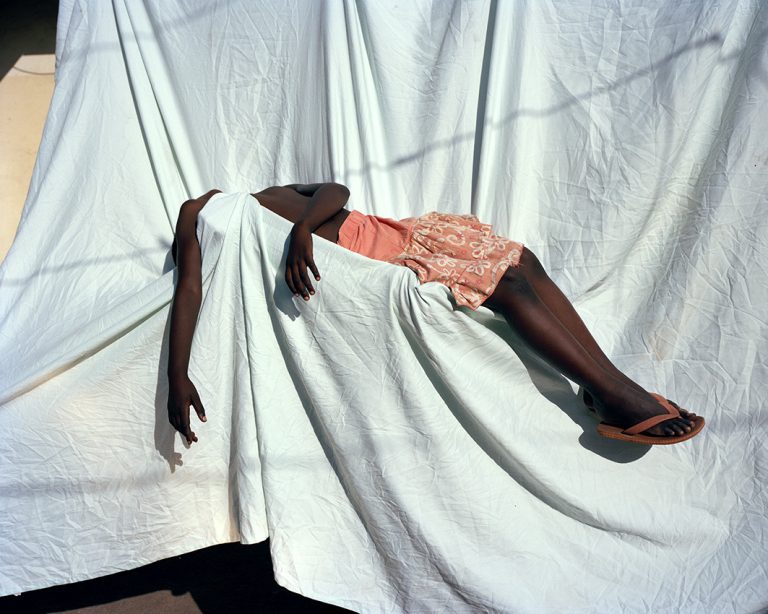
PHotoESPAÑA 2026: forty exhibitions to reimagine
Madrid, PHotoESPAÑA will celebrate its first twenty-nine editions and will do so by claiming creativity, experimentation and exploration of the…
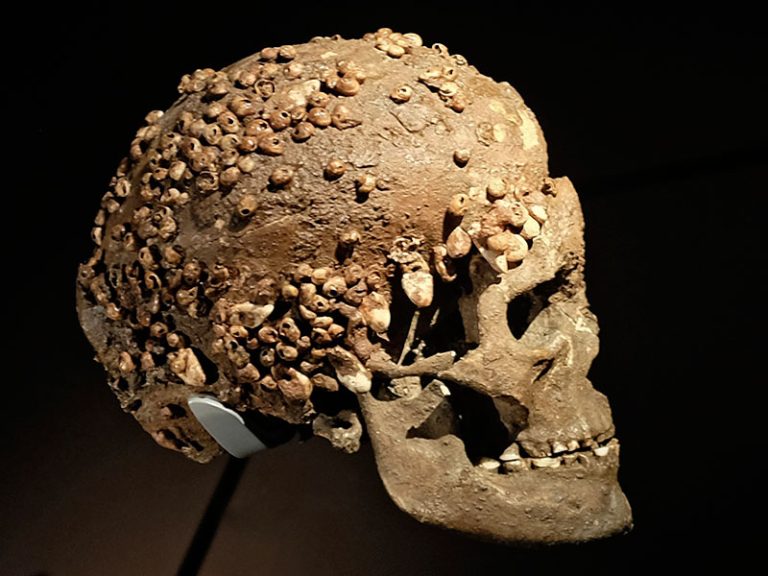
Funeral practices in prehistory
Les Eyzies (Dordogne). Upon entry, a glossary provided, a few maps and a timeline set the tone. At the National…

Miguel Ángel Tornero covers the Crystal Palace during its restoration
The Crystal Palace, one of the exhibition venues of the Reina Sofia Museum in El Retiro Park, is currently the…

In Romainville, 42 possible talents
Romainville (Seine-Saint-Denis). “For those who wonder what public art and design schools are for in France, the answer is here!…
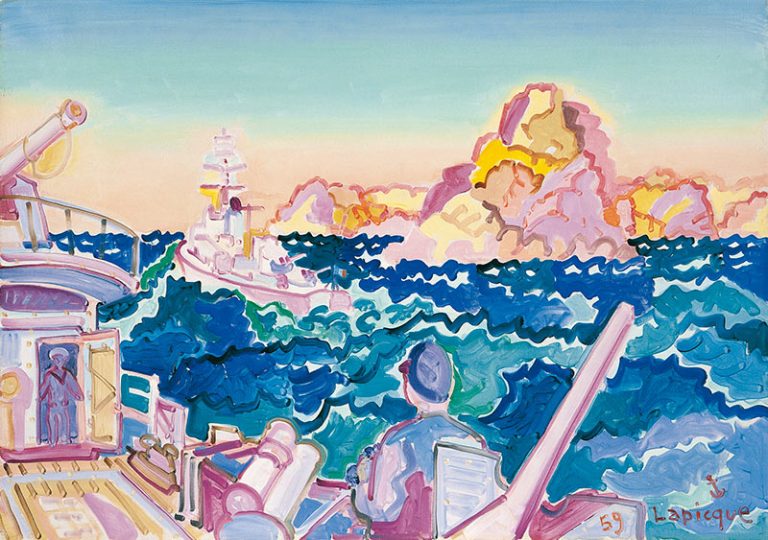
A dive into the history of the Navy
Paris. On the left, a portrait of Louis XIII sporting gleaming armor, a sword and a baton of command. On…