Malaga,
In a couple of years it will be four centuries since the death in Valencia of Francisco Ribalta, the Catalan artist who first trained in El Escorial, thanks to the production of the Spanish and Italian authors who worked there. Through him he became the owner of an eclectic style in which we can find references to the rhetoric of Cincinato, the foreshortening of Tibaldi, the severity of Bartolomé Carducho, the tendency towards drama of Navarrete and the light games of Cambiaso.
At first he went to Madrid, where he worked between 1585 and 1598: here he painted religious works and portraits, married and had two daughters and later a son, Juan, who would become a relevant painter. In 1599, two years after the latter’s birth, he went to reside in Valencia, surely encouraged by the artistic demands of the patriarch archbishop Juan de Ribera.
He would never leave this city again, where he consolidated a language that was increasingly personal and linked to naturalism. Between 1603 and 1606 he lived in Algemesí, where he made several altarpieces for his church, including the largest, and then he was called by Archbishop Ribera to work in his Corpus Christi chapel, in the Altarpiece of Saint Vincent Ferrer (1605) and in the great painting of Dinner of the main altarpiece.
Since 1610, when the Moors were expelled and the archbishop died, his creations took on an intimate and profound tone, closely related to the pious spirit of the Counter-Reformation; Sometimes he was inspired by the solemn seriousness of some of Sebastiano del Piombo’s models that he was able to meet without leaving Valencia, and which he managed to alternate with a realistic and direct language for which he showed himself to be very gifted.
His palette also became more austere, and his figures lost in gesticulation to gain in expressive intensity. His disciple Vicente Castelló worked with him in the second decade of the 17th century, who imitated his style and married one of his daughters, and his own son Juan Ribalta, who in 1615 was already signing his own works. The three made up a very solid and prolific artistic team.
In his later years, his compositions became more intense and emotional, delving into a deep naturalism. Together with his son and Castelló he created the great altarpiece of the Portaceli charterhouse, with unfinished parts, and died in 1628, just a few months before Juan, who had barely turned thirty.
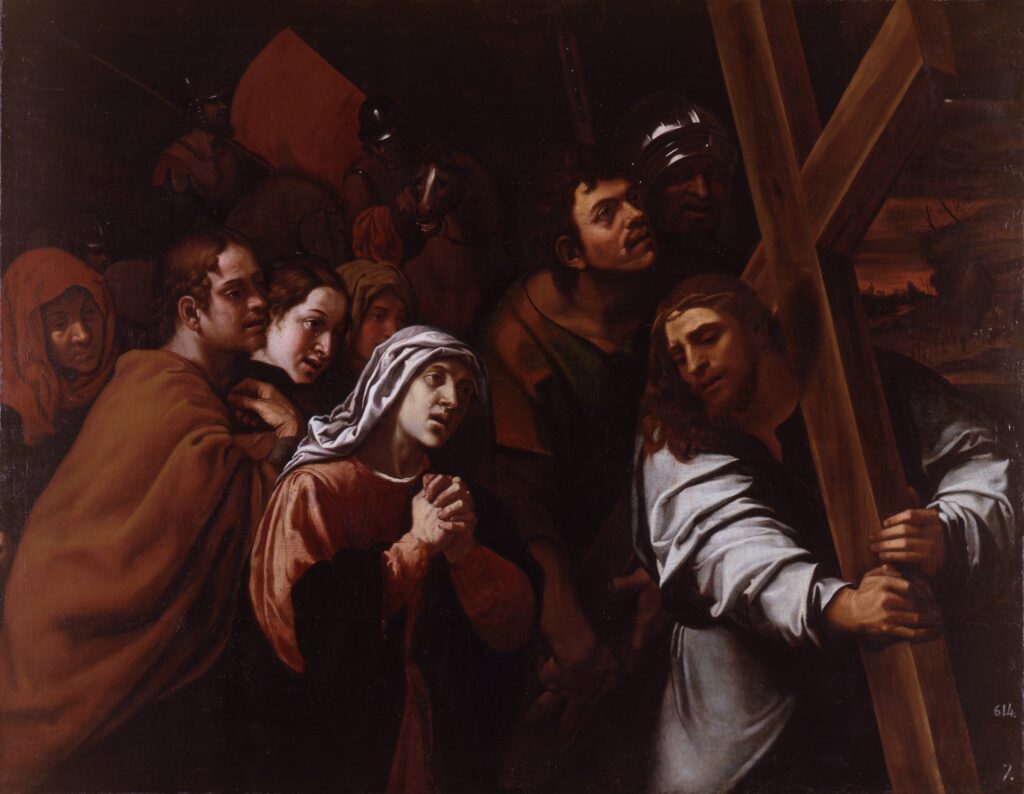
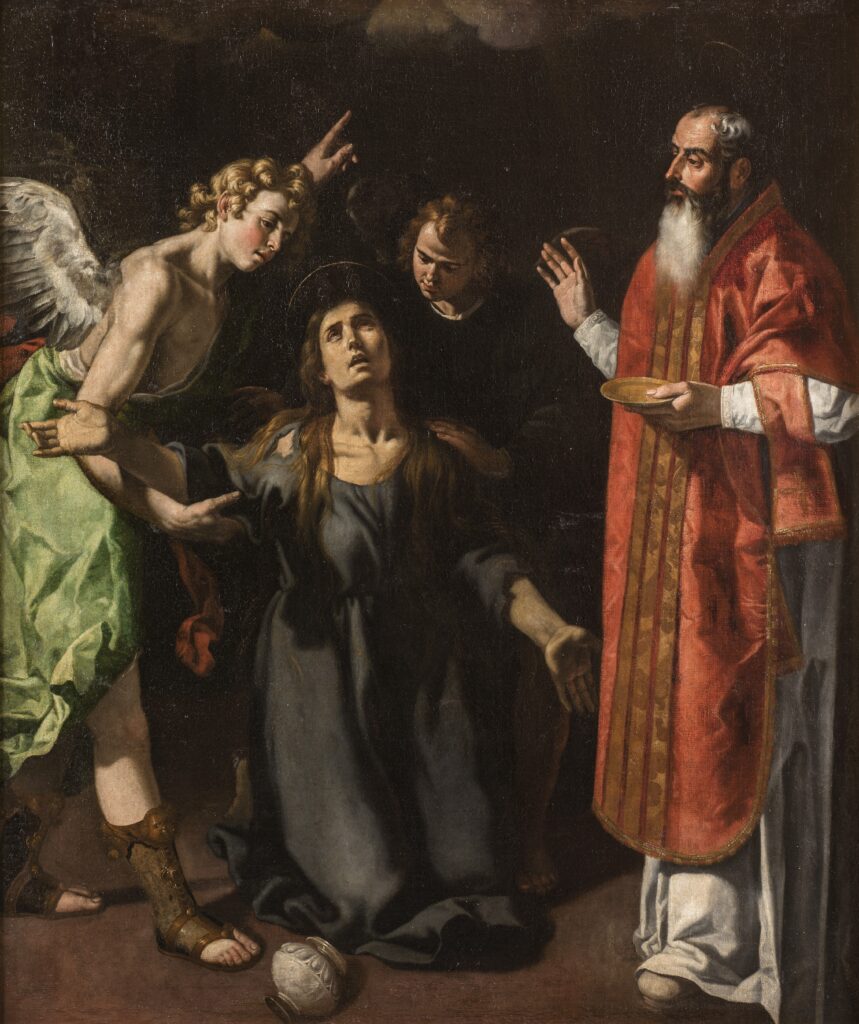
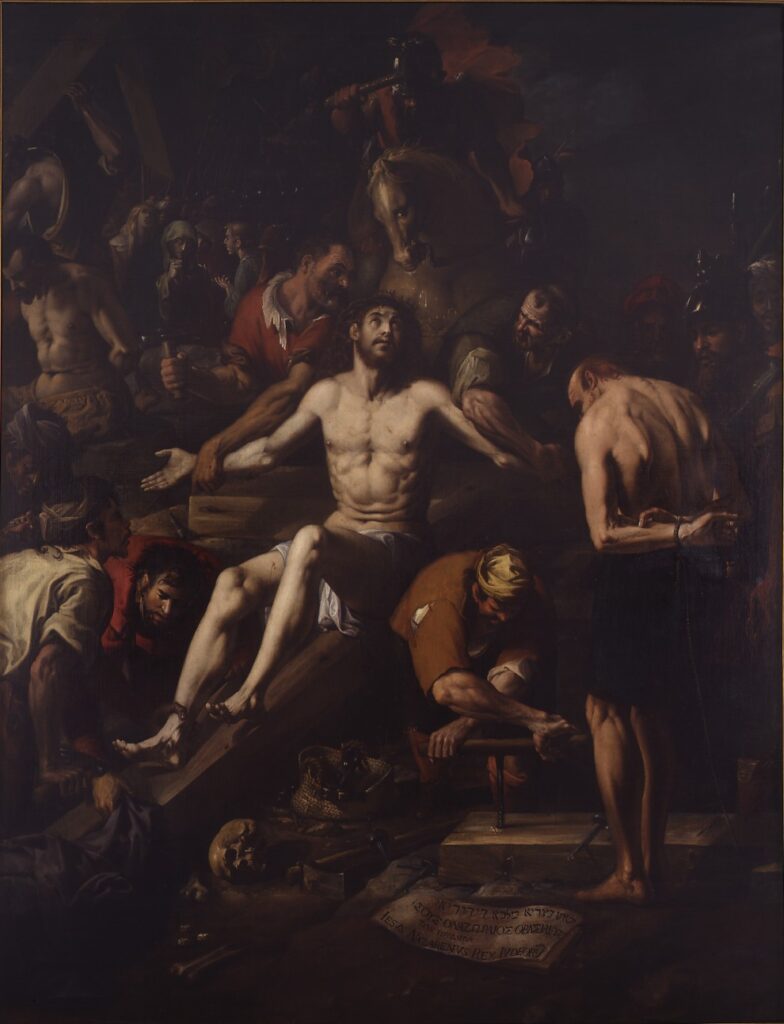
Starting today, the Carmen Thyssen Museum in Malaga offers both of them an exhibition, in its Noble Room: the ten paintings that make up it come from the collections of the Museum of Fine Arts of Valencia and must be understood, as we said, in the context of a Counter-Reformation that had established that the purpose of artistic representation had to be to push souls towards faith: teaching, delighting and moving from reality; if necessary, from the stark real.
The collected canvases have in common their religious theme – we will see biblical prints and portraits of saints – and also the pathos and emotion that the Ribaltas made compatible with the realistic description of the scenes.
If Ribalta Sr. was modeling his language from mural painting and his late Mannerist beginnings, and capturing that conjunction of naturalism and theatricality achieved through the light of masters such as Caravaggio, Ribera or Orrente, his son could hardly have, in his short life, another source closer than that of his father, to whose workshop he was always linked. So much so that their works have become confused.
However, we can see that his commitment to Caravaggist naturalism was as determined or more determined than that of Ribalta Sr. and we know that the contemplation, in the Valencian cathedral, of the Martyrdom of Saint Sebastian from Orrente, who worked in Italy, would encourage him to delve deeper into the monumental aspect of his figures and the games of light.
But his concerns went further: an example of an intellectual painter, he was praised by the poet Gaspar de Aguilar and the humanist Diego Vich commissioned several images for the Hieronymite monastery of La Murta.
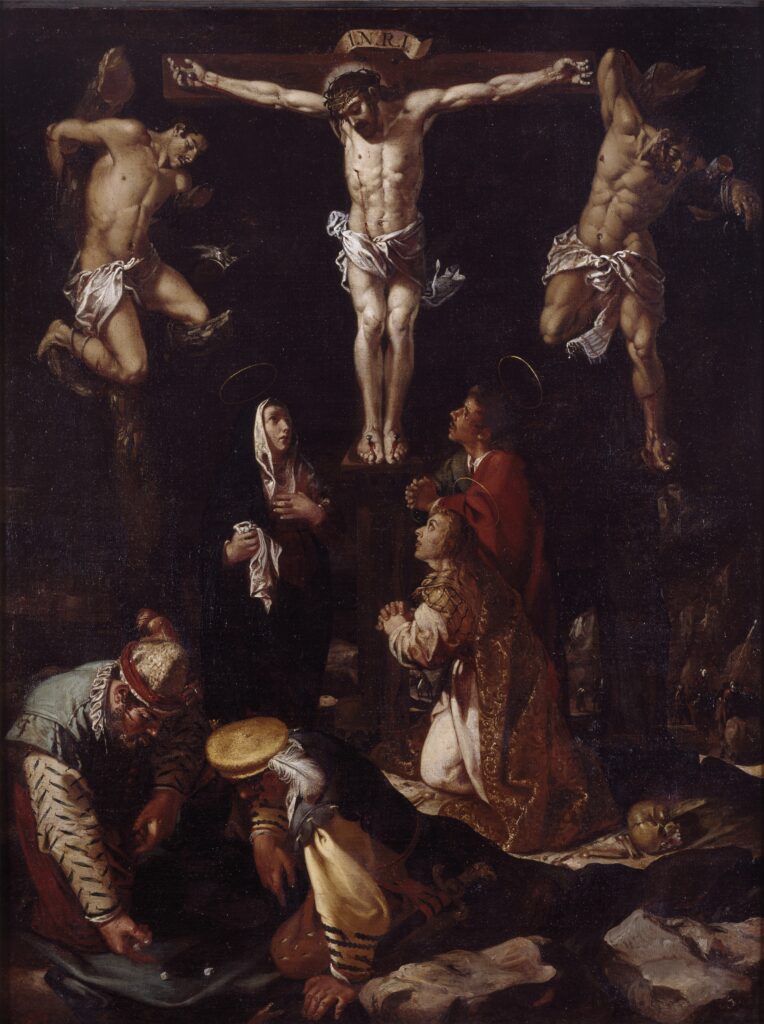
“The Ribalta and the naturalist baroque”
CARMEN THYSSEN MUSEUM MÁLAGA
C/ Compañía, 10
Malaga
From May 22 to October 4, 2026