
Barcelona,
Born in 1903 in St. Louis, Missouri, Walker Evans was an austere man who distrusted groups and political and social slogans. From that faith in individuality, he became a fundamental figure in the process of photography’s transition from modernist abstraction to committed documentaryism.
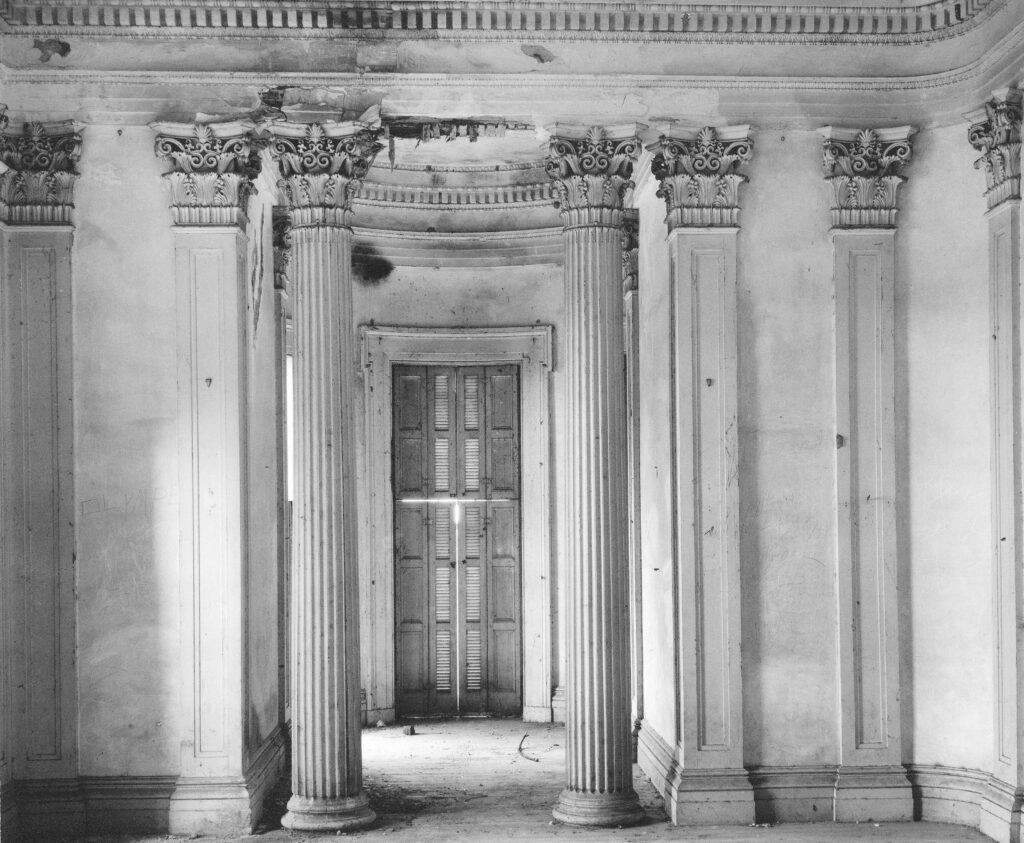
After experimenting with abstract urban visions at the end of the 1920s, his gaze turned to native American architecture: using a large-format camera, he photographed with a formalist and dispassionate precision, and with a classic and simple approach so powerful that it forced the authors of his time to reevaluate the virtues of their subjects and their techniques. He used to transform mundane objects into coherent and expressive, even beautiful, images.
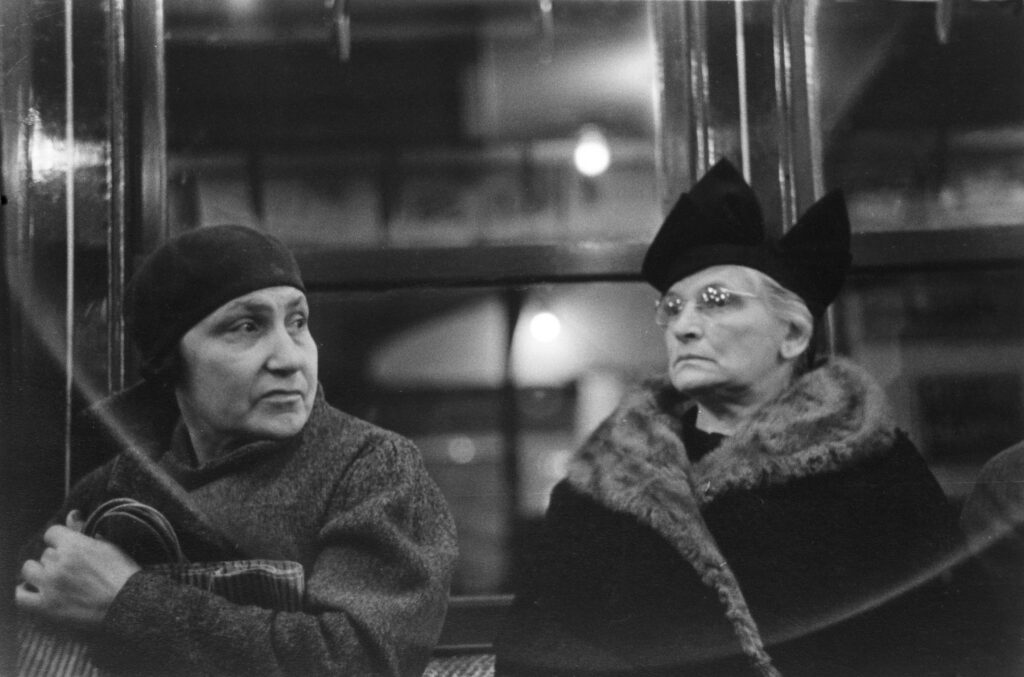
At the same time, he captured in 35 mm images ordinary people he found walking down the street or detained, without performing actions that would make us look back: these compositions were not about any event or ceremony, they only represented the common life of the middle class (then less than middle) and the way in which they related to their environment. By managing to move people through belongings and individuals that were close to everyone, Evans contributed to transforming American creative photography in the decade of the Great Depression.
When Roy Striker, head of the historical section of the Farm Security Administration. FSA, developed the proposal to create a registry that would capture the effects of the economic crisis on the lives of Americans, turned to him to help determine the possible role of photography in the project. He was attracted to the visual power of their production, but also the compassionate humanity of Dorothea Lange’s: Stryker knew that their approaches would facilitate the success of this initiative and hired them both for his fledgling organization.
Evans, in reality, would only work for the FSA for a year and a half: he interrupted that collaboration for personal reasons. His work within this framework would, therefore, be limited, but his images would have an enormous influence, both on his contemporary colleagues and on younger generations of photographers.
In this sense, his two books would be vital: American Photographs (1938) and Let Us Now Praise Famous Men (1941); The former coincided in time with his exhibition of the same title at MoMA, while the origin of the latter lies in a magazine commission, in 1936, to portray a family of southern tenants. When it was published, accompanied by a text by the writer and journalist James Agee, critics did not know how to react, due to the conjunction of the latter’s poetic and vehement prose and Evans’ photographs as lucid as they were painful, but, in any case, these works would then begin to be recognized as important creative works. Today both volumes are classics, emblems of the power of photographic illustration in publications.
An extensive review of his production awaits us at KBr Fundación Mapfre, under the curation of David Campany, creative director of the International Center of Photography in New York. It includes everything from his early self-portraits from the twenties to his experiments with Polaroid in the seventies, as well as books and photographs, in order to emphasize that, beyond documenting the context in which he lived, he questioned the uses of the photo and its degree of representation of reality.
It was precisely Evans who began, in 2009, the exhibition programming of this institution dedicated to photography; Now in Barcelona, the foundation reviews the many faces of his legacy over half a century: his street snapshots, furtively taken; his southern images or his precise architectural studies and his color essays, both marked by his fascination with the everyday in the context of a society increasingly obsessed with novelty.
There are more than two hundred works that are part of the exhibition, titled “Walker Evans. Now and Then”, and in KBr they are structured into a dozen thematic sections, starting with his love for literature, especially since in the twenties he lived in Paris, studied at the Sorbonne and discovered the texts of Joyce, Baudelaire and Flaubert.
It was upon his return to the United States that he began to dedicate himself professionally to photography, finding among his references Paul Strand, Ralph Steiner, Charles Sheeler and Berenice Abbott and also being familiar with the New Vision movement, which displayed the most innovative visions of architecture until then.
Evans’ architecture was precisely his first work that could be seen at MoMA: Victorian houses that he had photographed on request. In reality, the artist was not so much interested in these constructions themselves as in what they had in vernacular forms that the growth of mass society endangered. Later, his photos would include commercial signs that are a hallmark of a time, manually drawn signs, shop windows and posters that were not anecdotal, but rather revealed social aspects, with their words and images.
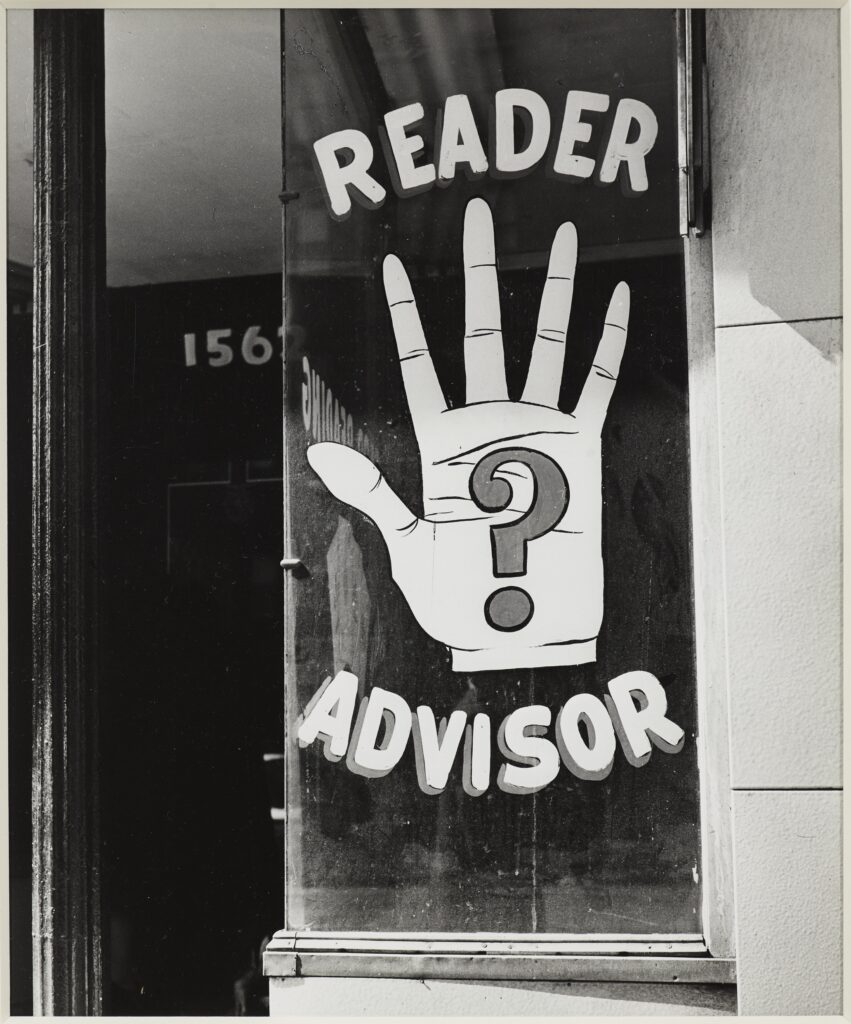
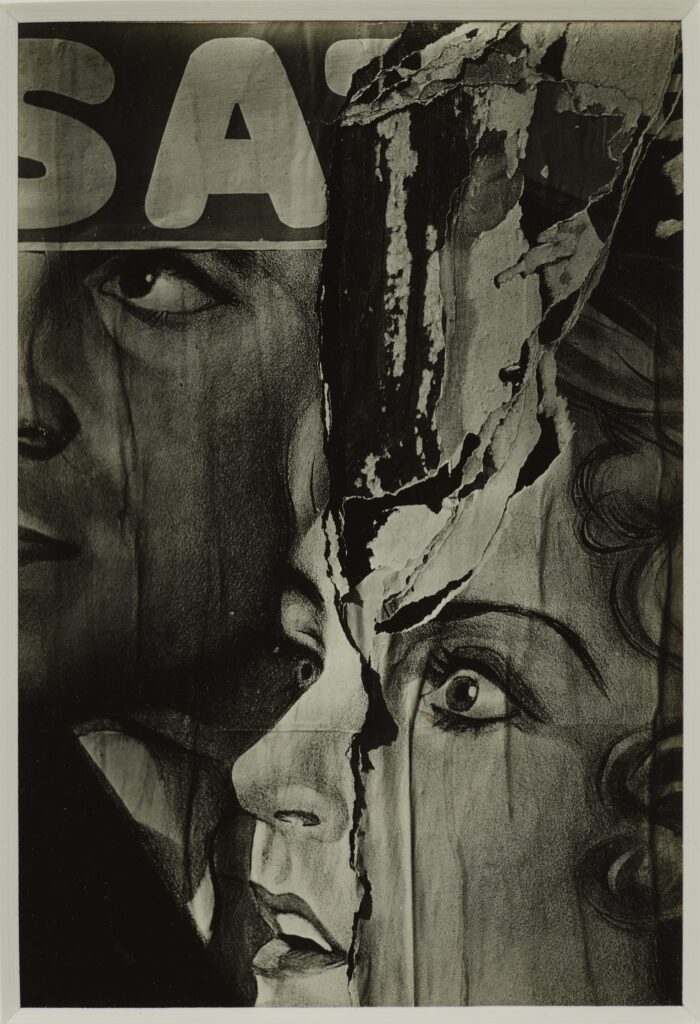
Although most of his work seems to contain American essences, Evans also traveled to Cuba. It was in 1933, with the commission to document the life of the population under the government of Gerardo Machado, to illustrate the book by Carleton Beals The Crime of Cuba. The photographer used political approaches, but his vision of Cuban society was more open and attentive to nuances than Beals’ texts; not without easy-to-tag images.
Returning to his country, he dedicated all his attention to the anonymous ones, in the path of Sanders and Atget. The camera was already beginning to be a tool of surveillance, an eye everywhere, but in Evans’ hands it served, above all, to question the expressiveness of appearances (and, along the way, the theoretical equivalence of photography and truth).
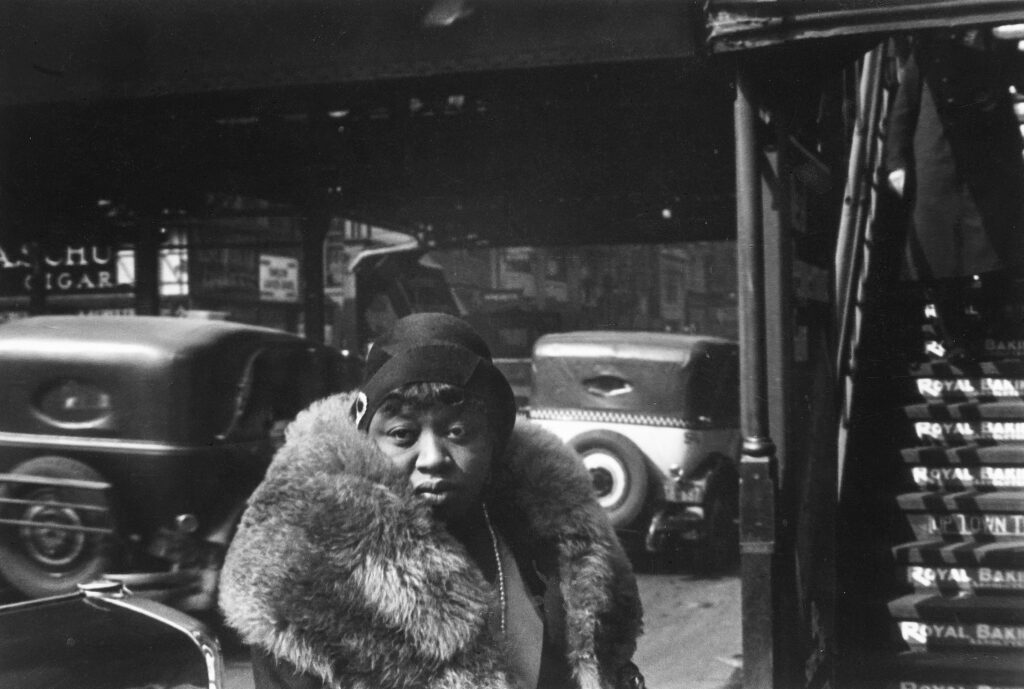
Those were years, the thirties, of automobile proliferation and those cars in circulation transformed landscapes and cities; Without them there would be no motels or gas stations, an emblematic motif in the artistic field. Unlike the publicity that extolled its possibilities, Evans was concerned about its consequences in the form of waste: he would dedicate a series to his scrapyards and, in the seventies, he photographed cars and trucks rusting in fields flooded with scrap metal.
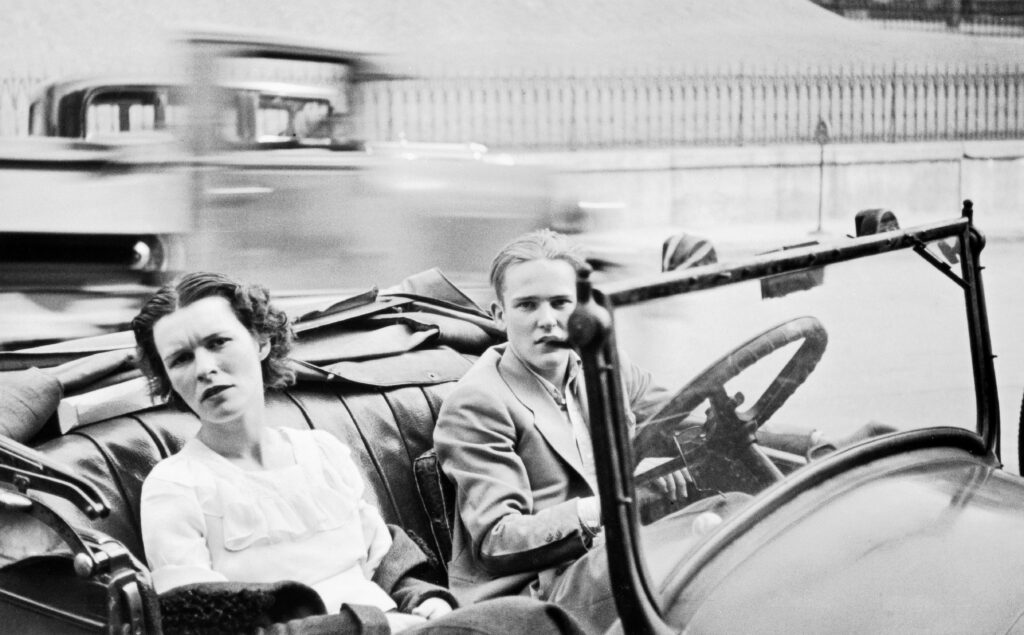
That did not mean he stopped looking at southern farmers: we have previously mentioned his project with the writer James Agee in relation to tenant families. When the magazine Fortune decided not to publish it, they chose to publish it as a book: at that Let Us Now Praise Famous Men text and image did not intersect, unlike most documentary proposals at that time.
It was released in 1941, and stood out for its anti-narrative nature and the absolute absence of anecdotes.
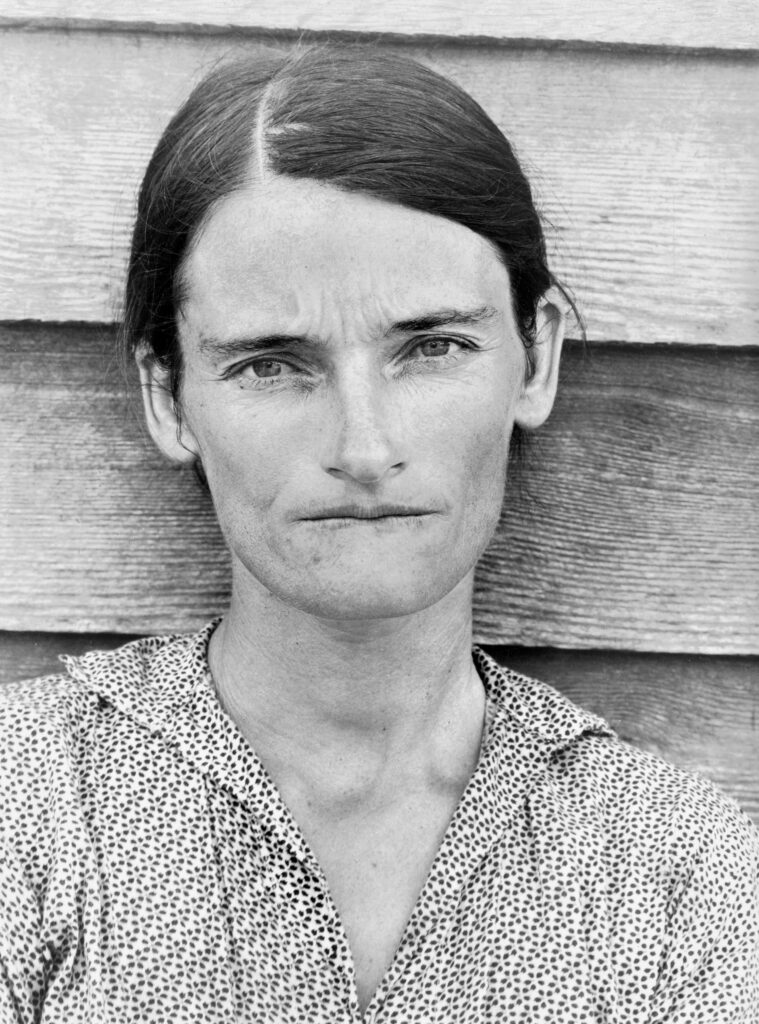
Yes I would publish Fortunesix years later, Evans’ solo photoessay Chicago: A Camera Exploration. It was a dozen pages of architecture and street portraits in which we can already glimpse the decline of that city; Evans was convinced that small towns and neighborhoods offered, more than emblematic places, the truest and most enduring face of a country’s life.
The tour closes with its African sculptures and ordinary objects. He photographed the first because the MoMA commissioned him, in 1935, to document half a thousand pieces that were part of an exhibition of African art, for pedagogical purposes and because they were going to be part of a traveling exhibition; The latter interested him, as did Victorian houses, because their quality and usability prevented them from being erased by aseptic progress.
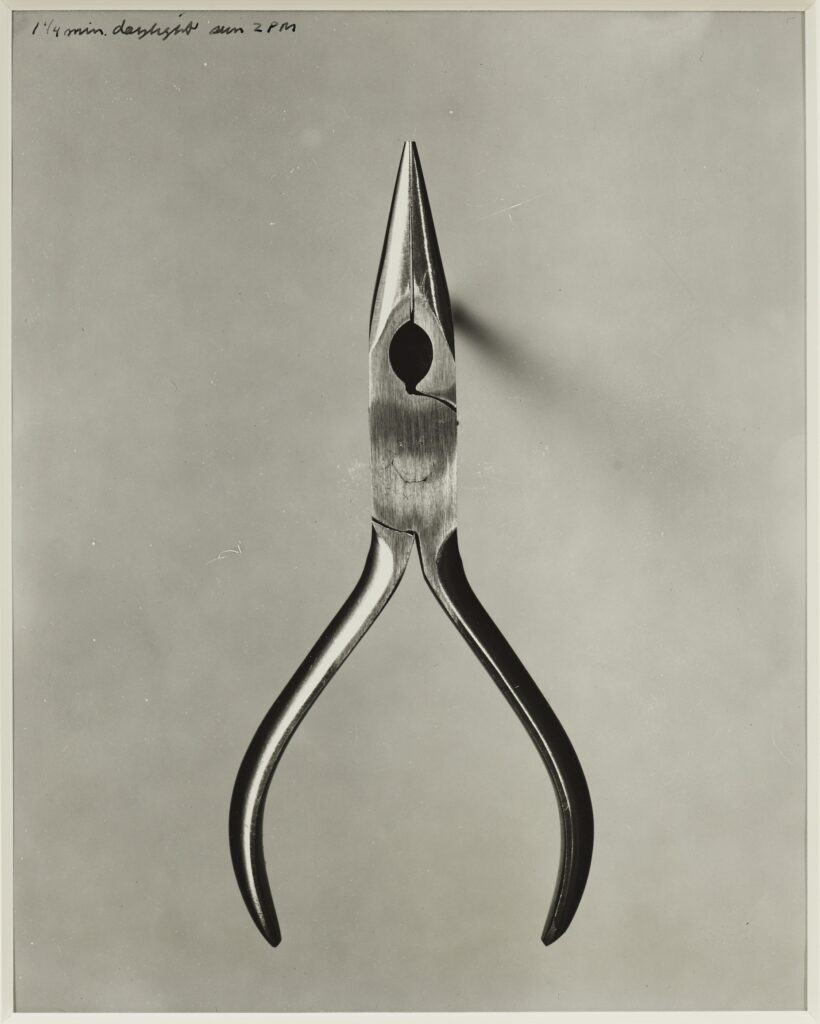
“Walker Evans. Now and Then”
KBR MAPFRE FOUNDATION
Avenida Litoral, 30
Barcelona
From February 26 to May 24, 2026


