
The MSK Gent rescues the careers of more than 40 women artists from oblivion
Ghent, 03/16/2026
For centuries, the art history of the Netherlands has been told through names such as Rembrandt, Vermeer, Rubens, Van Dyck or Frans Hals. The extraordinary international fame of these 17th-century masters contrasts, however, with the relative anonymity of many of their contemporaries. The Ghent Museum of Fine Arts (MSK) now proposes to review that story with “Unforgettable. Women Artists from Antwerp to Amsterdam, 1600–1750”, an ambitious exhibition that brings together more than two hundred works by more than forty female creators active in Flanders and the Dutch Republic.
The exhibition continues a line of research started by the museum in 2018 with “The Ladies of the Baroque: Women Painters in 16th and 17th Century Italy”, an exhibition that sought to make visible the contribution of female artists in the history of European art. Today there is a growing consensus among museums and academics that the work and relevance of many female creators were systematically ignored or underestimated for centuries. “Unforgettable” is thus presented as a natural continuation of that project, now focusing attention on the so-called “long 17th century” in the historic Netherlands. It is significant that, despite this being one of the most influential periods in the history of European art, until now a major exhibition dedicated to the collective contribution of the region’s artists, beyond individual figures such as Clara Peeters, Michaelina Wautier, Judith Leyster or Rachel Ruysch, had not been organized.
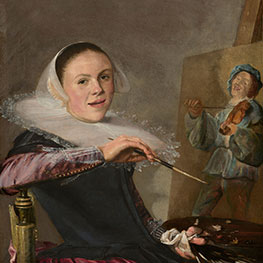
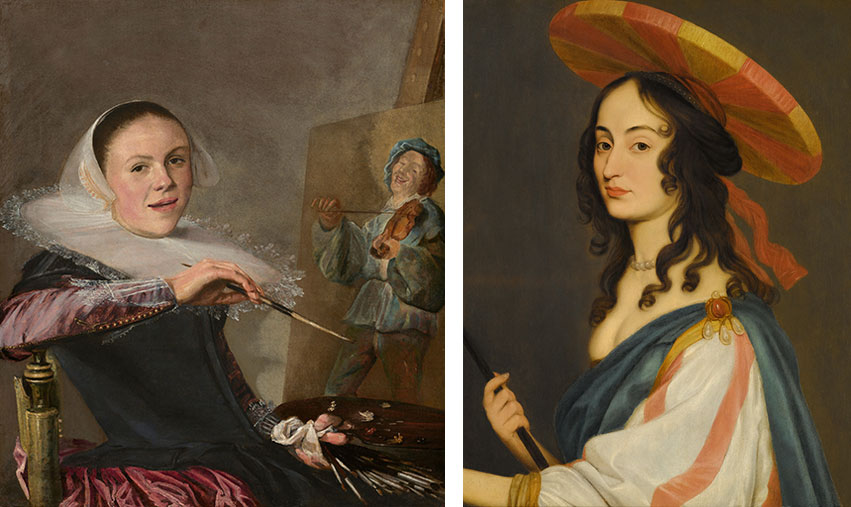
The result of more than two years of research and organized in collaboration with the National Museum of Women in the Arts in Washington, the exhibition proposes a thematic tour that examines both the works and the living conditions of these artists. The itinerary begins with a section dedicated to identity, where a series of self-portraits and portraits made by contemporaries allows us to discover how these women built their public image as creators. At a time when female access to academies, workshops or guilds was limited, these representations also functioned as a form of professional affirmation.
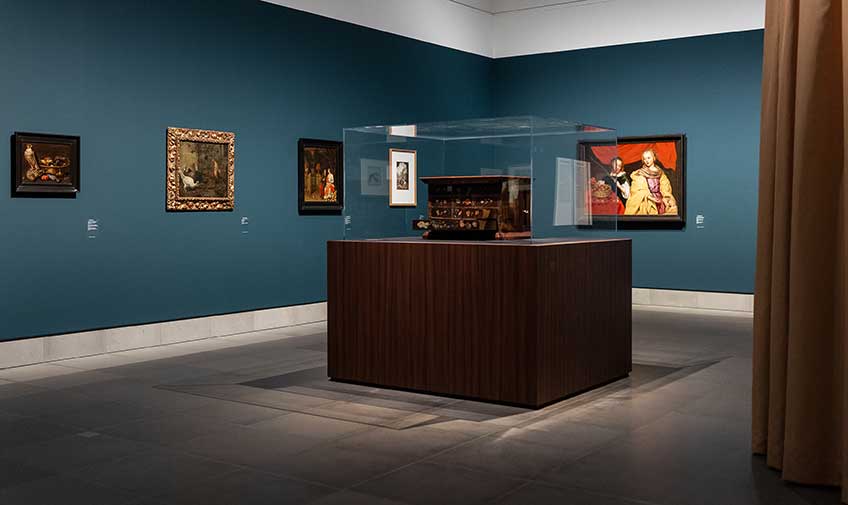
One of the main objectives of the exhibition is to question the idea that women were marginal figures in the artistic production of the time. By bringing together works by more than forty artists, the project shows that they actively participated in virtually all creative disciplines of the period. Along with paintings and sculptures, there are engravings, calligraphy works, lace, embroidery, etched glass and delicate compositions on paper. By questioning the traditional hierarchies that privileged painting and sculpture—disciplines historically dominated by men—the exhibition opens the field to practices that were long considered minor arts. When those borders disappear, many more women enter the narrative of 17th century visual culture.
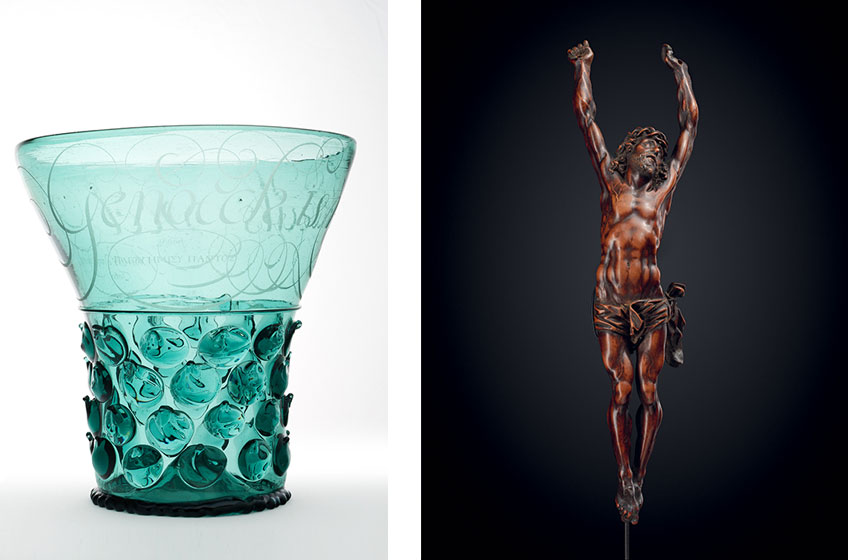
Some pieces also reveal the technical and conceptual sophistication of these artists. Among the most unique objects in the exhibition, a glass engraved with a proverb by Anna Roemersdr Visscher stands out, a type of work of which only five copies remain in the entire world. Equally fascinating are Johanna Koerten’s intricate paper cuttings, works of extraordinary complexity that in their time were admired by European collectors and sold for considerable sums. Also surprising are the miniatures of Anna Maria van Schurman, an exceptional figure in the intellectual world of the 17th century, whose activity ranged from art to philosophy and theology.
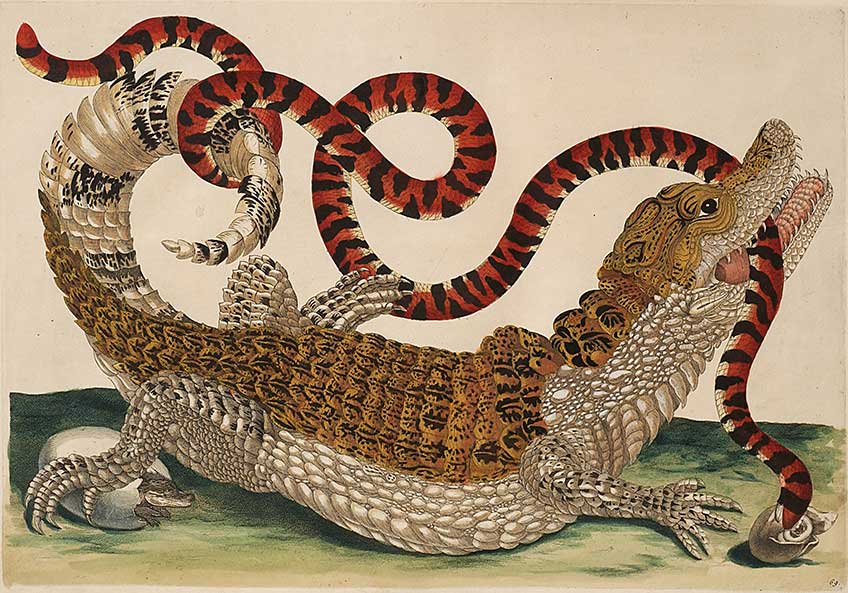
Among the best-known artists who appear in the exhibition are Michaelina Wautier, whose work has been the subject of a profound reassessment in recent decades, and Clara Peeters, famous for her refined still lifes. The exhibition also pays special attention to Maria Sibylla Merian, an artist and naturalist who placed her work on the border between art and science. His studies of insects and plants not only had an enormous influence on later scientific illustration, but also reflect the intense exchange between art, botany and natural exploration typical of the 17th century. The tour also highlights the artistic continuity within his family through his daughter Johanna Helena Herolt.
Social conditions played a decisive role in the trajectories of these artists. Training possibilities often depended on family environment and social status. Many began their apprenticeship in family workshops, where their work was marketed under the name of their father or brother. Others, coming from wealthy families, received an artistic education as part of their cultural training, although their works were not always destined for the market.
This was the case of Louise Hollandine of the Palatinate, princess of the Palatinate and later Benedictine abbess, whose career reflects the complex intersections between art, religion and court life in the 17th century. The exhibition highlights several works that allow us to follow this vital evolution: a self-portrait made around 1650–1655, in which he presents himself as a young artist of the European elite; he Self-portrait as a Benedictine nun (c. 1665–1675), painted after his entry into religious life; and the portrait of his sister Sophia of the Palatinate (c. 1649), which shows the dynastic and courtly context in which his artistic activity developed.
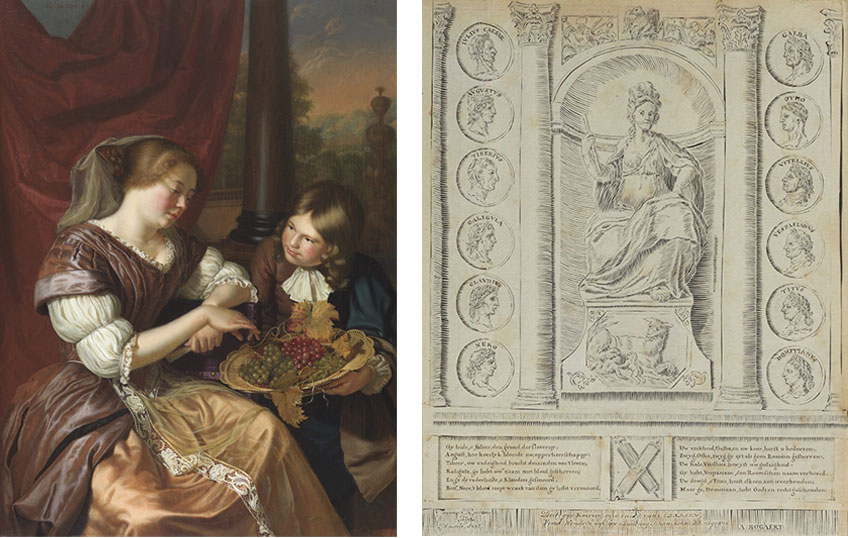
The exhibition also explores how social norms conditioned their careers. Marriage and motherhood could limit artistic activity, although not always in the same way. While Judith Leyster considerably reduced her production after marrying, Rachel Ruysch—belonging to a wealthy family—maintained a successful career even as the mother of ten children. This section dedicated to social expectations illustrates these tensions through very revealing examples. Among them stands out the series of engravings The five female occupations by Geertruydt Roghman, which represents with a slightly idealized realism different domestic tasks performed by women. The images—focused on everyday tasks such as sewing, cleaning, or taking care of the home—offer a direct look at the invisible work that sustained domestic life in the 17th century.
Some women found alternative ways to continue their artistic activity. This was the case of those who adopted religious life or the figure of the so-called spiritual daughters: women who lived independently within devotional communities, maintaining a vow of chastity but without formally entering a convent. This condition allowed them to avoid marriage and dedicate more time to artistic creation and intellectual life, as happened with the painter Catharina Ykens.
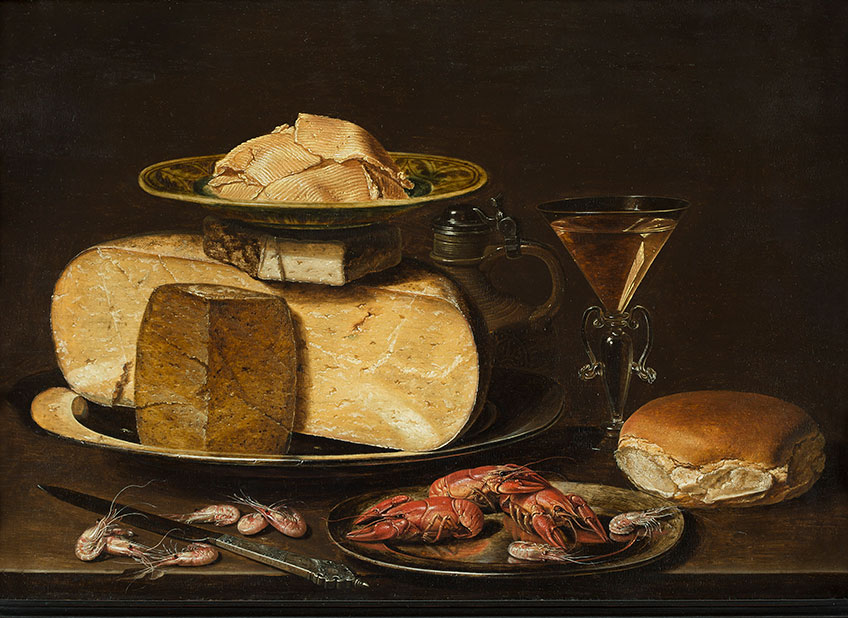
The tour also highlights the role of women in the dynamic art market of the 17th century Netherlands, an economy deeply connected to the global commercial networks of the time. Paintings, lace or embroidery circulated through trade routes that extended to Asia or America, in a context marked by colonial expansion and international trade.
The exhibition concludes with a reflection on the legacy of these artists and the reasons for their disappearance from the historical narrative. Many were celebrated during his lifetime and cited by contemporary biographers, but his works were later misattributed, relegated to categories considered minor, or simply forgotten. Recovering their names and careers not only expands the artistic canon, but also allows us to understand in greater depth the richness and complexity of the visual culture of one of the most dynamic periods in the history of European art.
As a complement to the exhibition, in the hall that precedes access to the exhibition rooms, a contemporary installation conceived specifically for this space is presented. Under the title Intervention – Xthe artists Christiane Blattmann, Manon de Boer, Melissa Gordon, Aglaia Konrad, Valérie Mannaerts, Hana Miletić, Annaïk Lou Pitteloud, Heidi Voet and Asia Zielińska have developed a collective work that dialogues with the themes of the exhibition. The intervention reflects on the historical visibility of women artists and on the gaps that still persist in the archives and narratives of art, establishing a bridge between the creators of the 17th century and contemporary artistic practices. There is a long way to go but it seems that at least the foundations are being laid on how to do it and this exhibition at the MSK in Ghent is a good example of this.
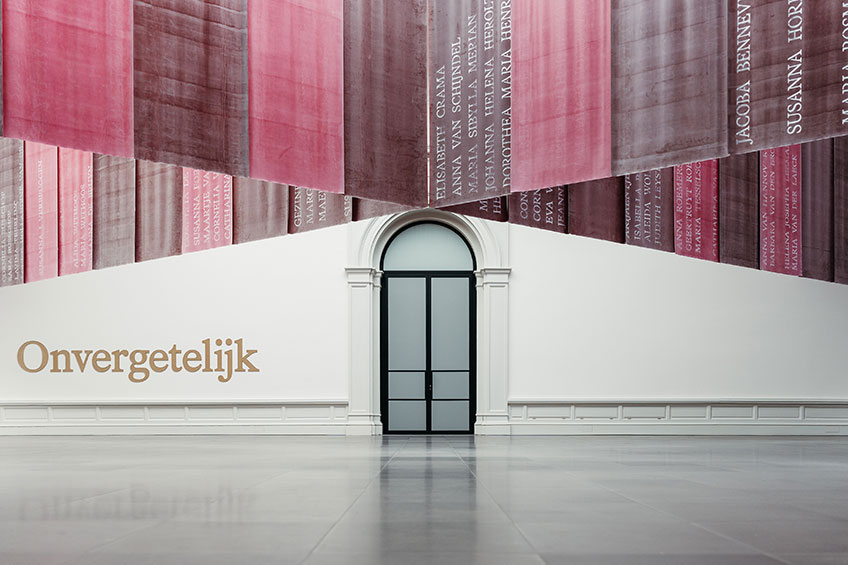
“Unforgettable. Women Artists from Antwerp to Amsterdam, 1600–1750”
GHENT MUSEUM OF FINE ARTS. MSK
Fernand Scribedreef 1, 9000 Ghent, Belgium
From March 7 to May 31, 2026


