Madrid,
Eight years ago, when the gallery owner was still in a very remarkable activity and did not have been inaugurated with its foundation in Cáceres, the Paris Photo Fair dedicated an important exhibition, composed of half a hundred images and some videos, to the photographic collection of Helga de Alvear.
The commissioned Marta Gili, then still director of the Jeu de Paume, and brought the title “the tears of things”, because it was focused on the presence of objects in those funds, underlining their potential expressive qualities. And last year, the Cantabria Central Library, in “Act / Sequencing”, deepened the question of the chamber of the Chamber in the context of the seventies, from photographs of the same collection (Ileina Almeida, Nobuyoshi Araki, John Baldesari, Joseph Beuys, Jan Dibbets, Richard Hamilton, Isaac Julien, Isaac Julien, Isaac Julien, Isaac Julien, Isaac Julien, Isaac Julien, Matta-Clark, Tracey Moffatt, Jeff Wall …), selected by María Jesús Ávila.
Four months after the death of the collector and patron, it is the Belgian Serrería Cultural Space of Madrid that hosts a new selection of its images, in collaboration with the Extremaduran Museum and within the framework of the photomotive programming. “After all. Photography in the Helga de Alvear collection” now emphasizes the ability of this means to document the story, even when that is not the first will of its authors: the exhibition route is proposed to draw a visual journey through the transformation of the European continent attending to its architectures. A century of ruptures and new beginnings are reviewed, starting with the Great War and ending in our time, in which photography has echoed the traces of violence, industrial advances and the preserved memory.
This proposal began to take shape before Helga’s death with the purpose of tracking in the field of photography the wounds left in European urbanism by World War I, the industrial crisis that Western Germany knew from the fifty and the impact of these seizures in the rest of the continent and in the United States. A remarkable set of images that have now arrived at the Paseo del Prado, also refer to the reconfiguration of the international political order after the fall of the Berlin wall and to the first steps of a new society after the unification, not exempt from paradoxes and conflicts of diverse nature.
The exhibition starts, articulated in three sections, in the hands of the authors of the new objectivity that in the twenties and thirty The photograph.
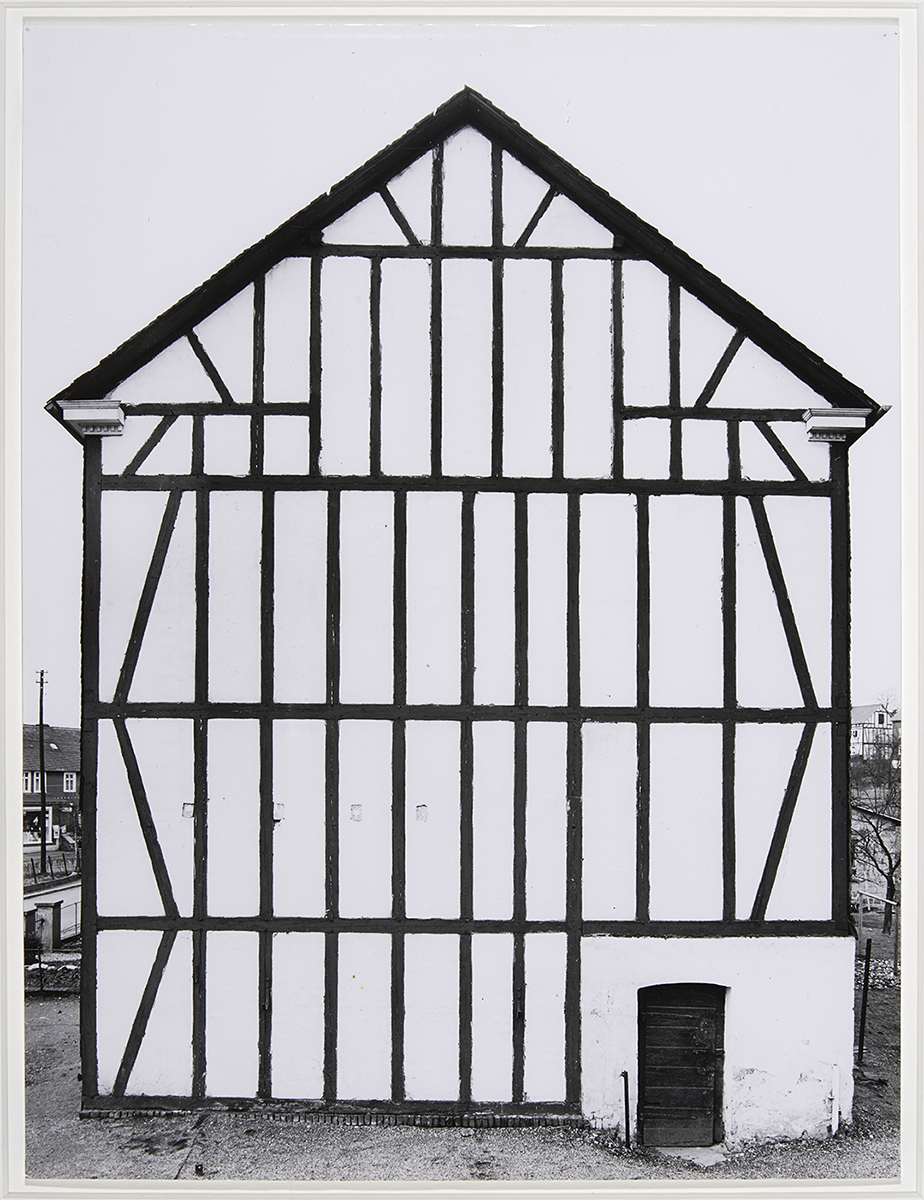
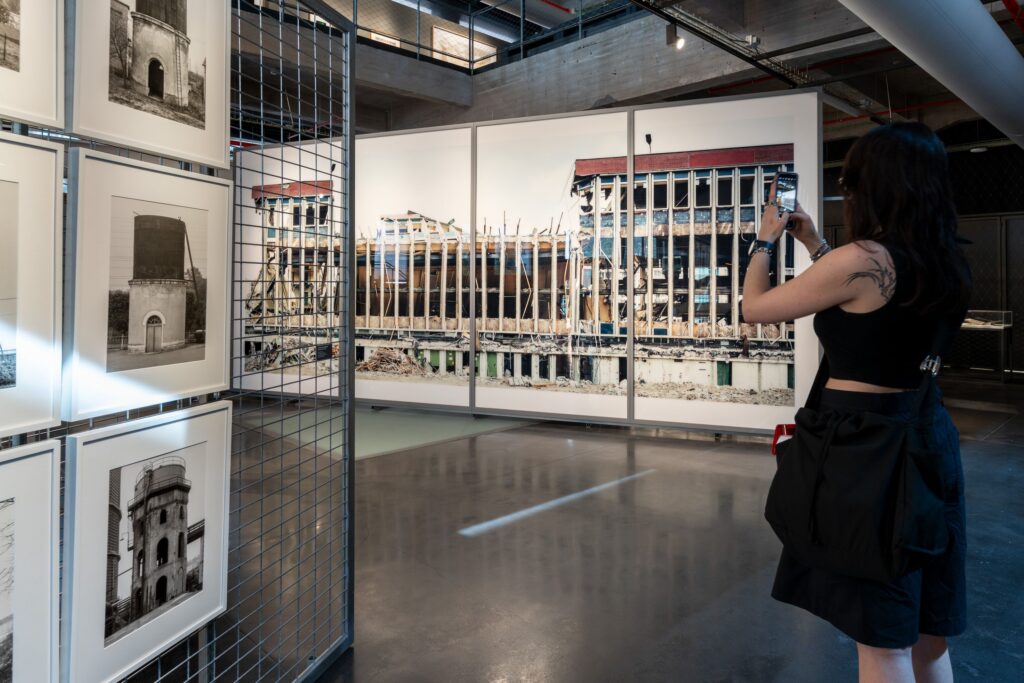
A second phase starts in 1959, when the duo composed of Bernd and Hilla Becher undertook its ambitious inventory of marked industrial buildings and structures conceiving them as a footprint of their historical time. His compendium, nostalgic contemplated today, of typologies, series and systems led to his approach to conceptual and minimalist artists and refer to a precise creative method that could remain imperturbable in his development. Their buildings observed as “anonymous sculptures” talk about crisis and dehumanization, but also of a lucid effort to ensure their memory.
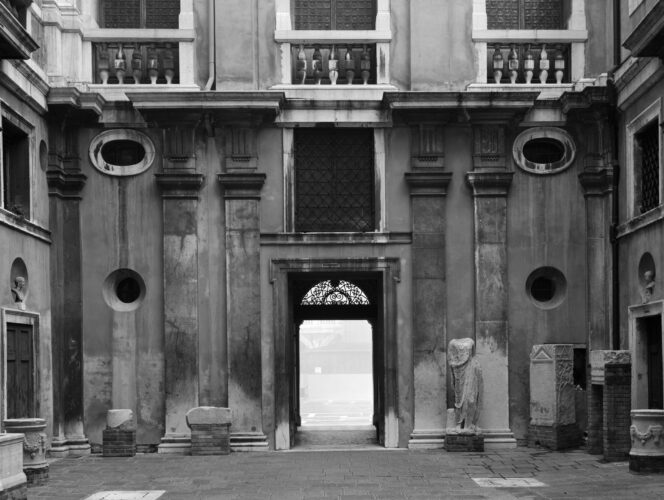
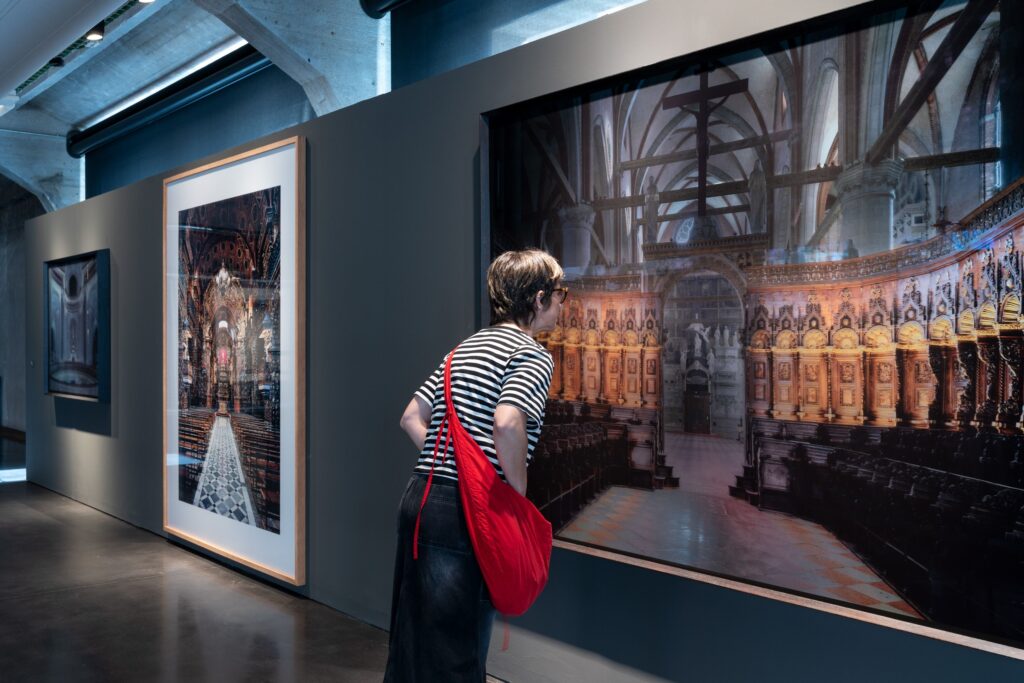
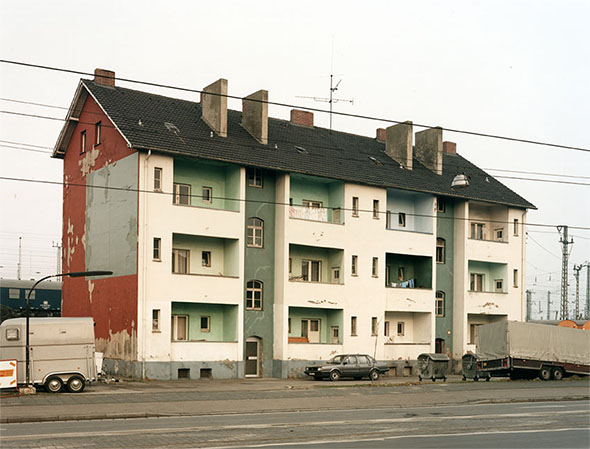
Finally, the Becher students, who continued photographing buildings, interiors and facades, empty or agitated urban space for social relations in the process of change, as a sign of a transition between memory and future. Grouped in the Düsseldorf school, he did not diminish his desire to invent, no longer pretending to achieve objective documents, but to provide the image of a nature under construction to the rhythm of social changes. They used for appropriation, production or digital manipulation operations that placed their work between radical objectivity and fiction.
The creations of Höfer, Struth, Gursky, Hütte, Ruff and Thiel stand out in this section, interested in the complexity of their production echoing that of this new era.
The Belgian Serrería, as an old industrial space converted in a cultural center, is a timely headquarters to house these strata of history, which can appeal. In the words of María Jesús Ávila, commissioner of the project with Sandra Guimarães, The melancholy in the face of life forms that are about to disappear, present that are already vestige or are marked by the imminence of their own death and uncertainty before a future that occurs uncertain, mark each of the historical times that this exhibition collects and go to meet our present.
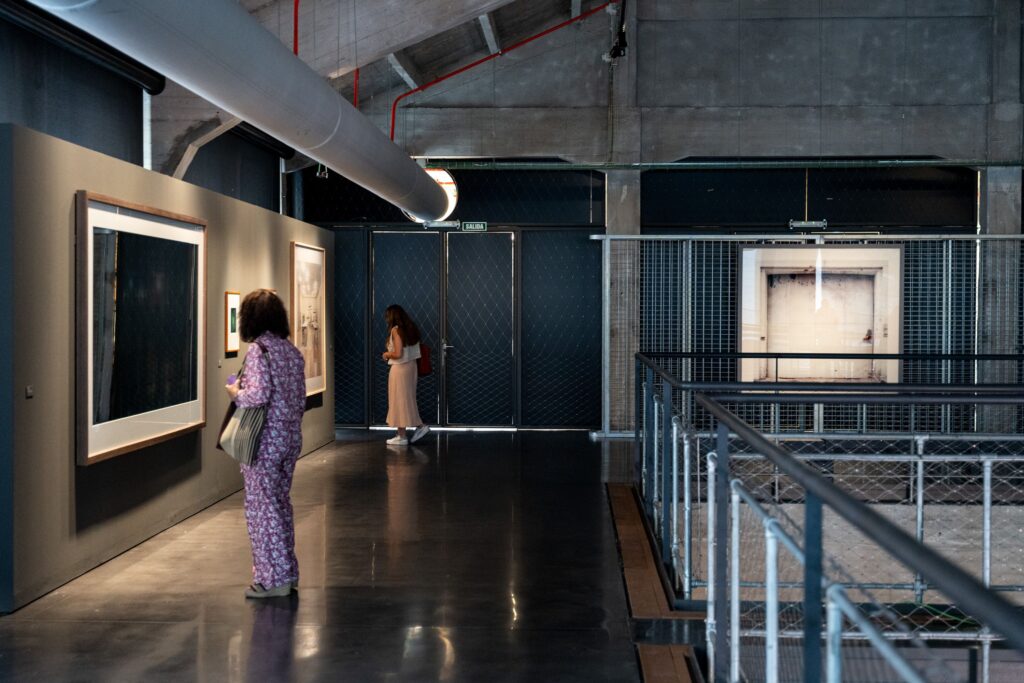
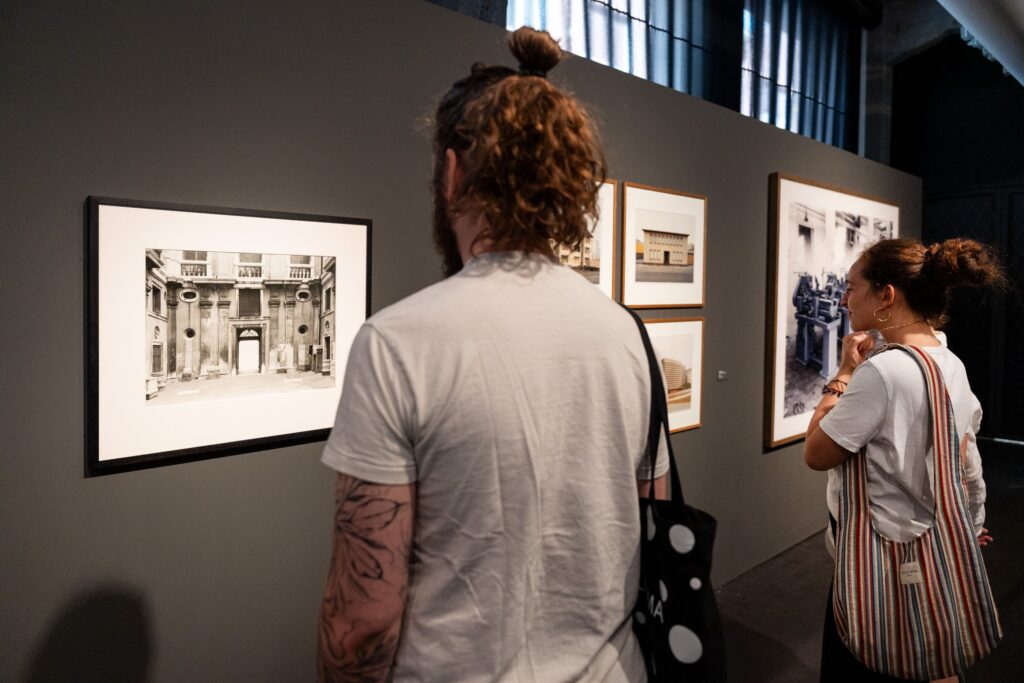
“After all. Photography in the Helga de Alvear collection”
Belgian Serrería Cultural Space
C/ Alameda, 15
Madrid
From June 3 to July 27, 2025