Sicily (Italy). It was both a cry of alarm and a cry of anger that resounded in Sicily. It was launched by the heritage protection association Italia Nostra, through its regional president Nella Tranchina and its vice-president Leandro Janni. They denounce the state of extreme degradation, insecurity and institutional paralysis into which the island’s museums and archaeological parks are sinking. More than a drift to which Sicilian institutions are accustomed, it is a real shipwreck that Italia Nostra describes. Between repeated closures, obsolete security systems and structural shortage of qualified personnel, Sicilian cultural heritage is sinking into rare and sad poverty.
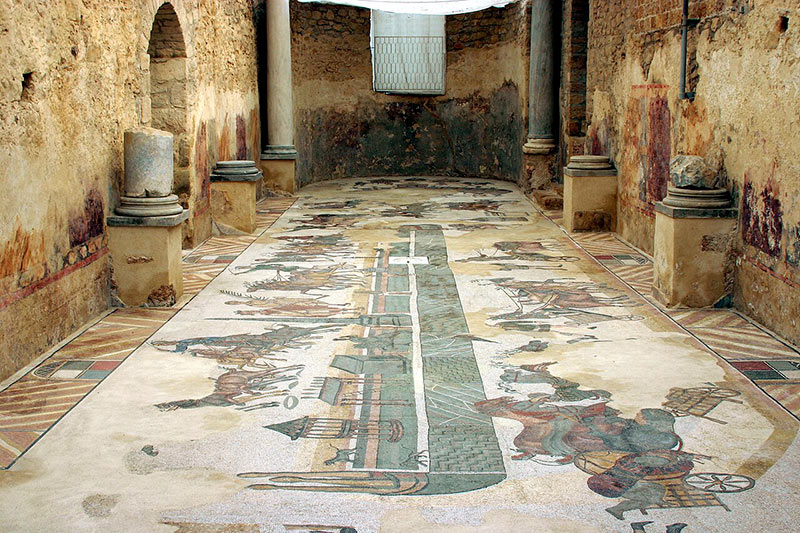
The list of grievances addressed to the Ministry of Culture and the island’s political institutions continues to grow. It is far from exhaustive. In Gela, the Regional Archaeological Museum has been closed for four years under the pretext of endless consolidation work. In the same city, the brand new Museum of Greek Wrecks (see ill.), inaugurated with great fanfare last March, is already subject to untimely and repeated closures due to a glaring lack of surveillance agents. Similar difficulties paralyze the Interdisciplinary Museum of Caltanissetta, the archaeological park of Morgantina, the Pirro Marconi Antiquarium in Himera and the famous Roman Villa of Casale in Piazza Armerina (see ill.).
The Museum of Greek Shipwrecks in Gela, inaugurated last March, is already experiencing untimely and regular closures.
© Parco Archeologico di Gela
The capital is no better off. In Palermo, the Palazzo Mirto, a sumptuous aristocratic residence transformed into a museum, has remained inaccessible to the public since 2023. Identical situation for the first and second floors of the prestigious Antonino-Salinas Regional Archaeological Museum. This is due to organizational difficulties and insufficient staff. Its former director Caterina Greco, who has just retired, is indignant at “the deterioration of the management system of our heritage. Specialized personnel practically no longer exist. I was one of the last two archaeological directors in the Region. The regional government is pursuing an inconsiderate display policy by investing in wild promotion: concerts on archaeological sites, insignificant exhibitions seeking to mix contemporary art and antiquity in an inappropriate manner. We bet everything on this frenetic opening of sites to attract tourists, sell tickets and make money at the ticket office. There is a total lack of interest in training staff and planning new recruitments. »
Growing vulnerability
This logistical failure is thus accompanied by a frightening criminal vulnerability. The theft that occurred on August 15 at the Regional Museum of Messina – where works by Antonello di Messina were stolen – is emblematic of the seriousness of the crisis. Lack of thermal control, alarms not linked to law enforcement, failure of video surveillance systems and emergency recourse to private companies to ensure the proper conservation and protection of heritage are commonplace.
On the ground, working conditions border on the absurd, as confirmed by Barbara Gambino, labor consultant with the Soprintendenza del Mare in Palermo. Despite her several years of experience in the cultural heritage sector, she still does not have an employment contract. “ The Region prefers to turn to unqualified personnel, without appropriate training and precarious to work in museumsshe protests. At the Camarina Museum, display cases containing priceless archaeological pieces were closed with simple iron wires. Following a political challenge, management simply replaced the wire with common suitcase padlocks! At the Abatellis Palace in Palermo, masterpieces by Antonello di Messina were filmed left unattended and without thermal control. » Instead of resolving these issues, disciplinary proceedings are initiated to punish the whistleblowing employees. The hiring freeze resulting from the 2021 State-Region agreement hampers any prospect of renewal, with the latest regional competition providing for only ten archaeologist positions for the entire island.
Italia Nostra therefore demands an extraordinary security and recruitment plan from the regional government. Sicily’s statutory autonomy in cultural matters prevents the Ministry of Culture from directly intervening. “We would need to be placed under supervision by the central government, pleads Barbara Gambino, accompanied by a radical ethical leap, without which our heritage risks being sold off or lost. »