Ut pictura poesisthe Latin address that Quintus Horacio Flaccus formulated, no less than in the 1st century BC in his Epistle to the Pisoneswas a leitmotiv of European painting from the 15th century onwards, largely used to elevate its consideration to that of liberal art, as was literature itself, but the links between one discipline and the other have not been particularly explored in the exhibition panorama. Exceptions are few; one of them is the thematic itinerary that, three years ago, the Prado Museum dedicated to Calderón de la Barca.
At the initiative of Alfonso Palacio, and under the curatorship of Javier Arnaldo and Javier Barón – this is his last exhibition as head of the 19th century painting collection – the center now houses “Rainer Maria Rilke and Spanish art”, a project that coincides with the centenary of the death of the Prague poet and which has involved works by El Greco and Goya traveling to the Prado from international institutions, such as the Metropolitan in New York or the Musée Bonnat in Bayona, which have rarely been seen outside their rooms. The tour consists of pieces that we know that, in fact, promoted, inspired and left their mark on Rilke’s writings, not of “generic” works by authors who seduced him, hence the complexity of these loans, which are interspersed with the canvases that obviously come from the Prado, a museum that the author of Letters to a young poet he knew well, as we will see.
The exhibition articulates the trip that the writer made to Spain, in 1912-1913, to a large extent overshadowed by El Greco and after allowing himself to be guided in his knowledge of the art of our country by Ignacio Zuloaga, whom he met in Paris when the Basque lived there and with whom he maintained a certain friendship in the early years of the 20th century. That journey changed him, it allowed him to make his own the experiences of mystics for whom the landscape could be a state of the soul and to delve passionately into the mystery of the Cretan; with admiration in that of Goya, whose joy he emphasized; and with due courtesy in Velázquez, who astonished him, above all, with his portraits.
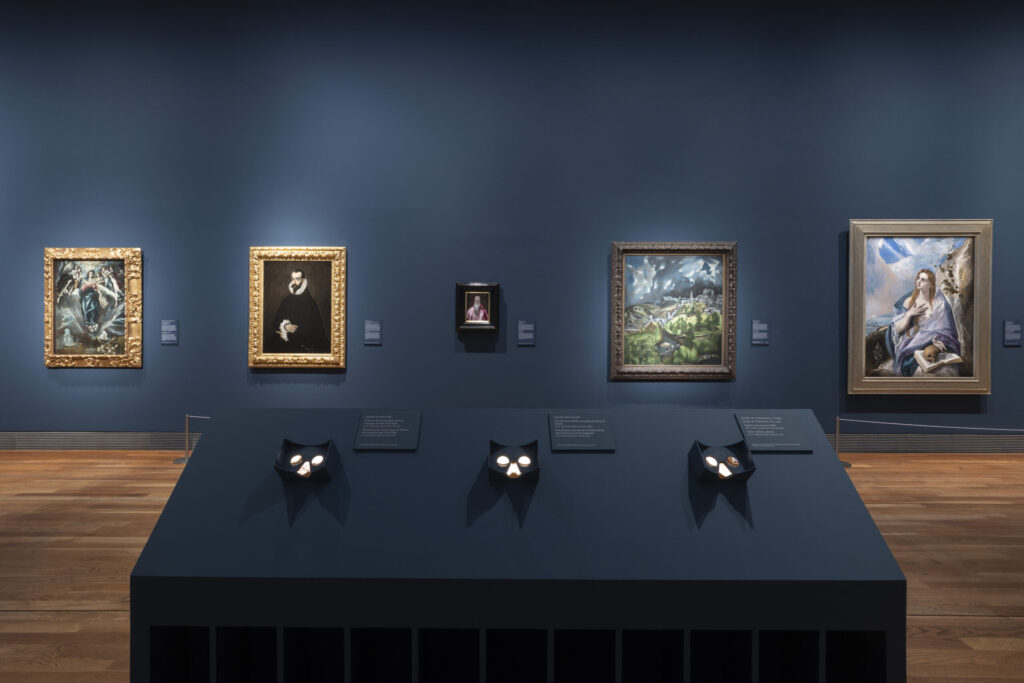
Image of the “Rainer Maria Rilke and Spanish art” exhibition rooms. Photography: © Museo Nacional del Prado
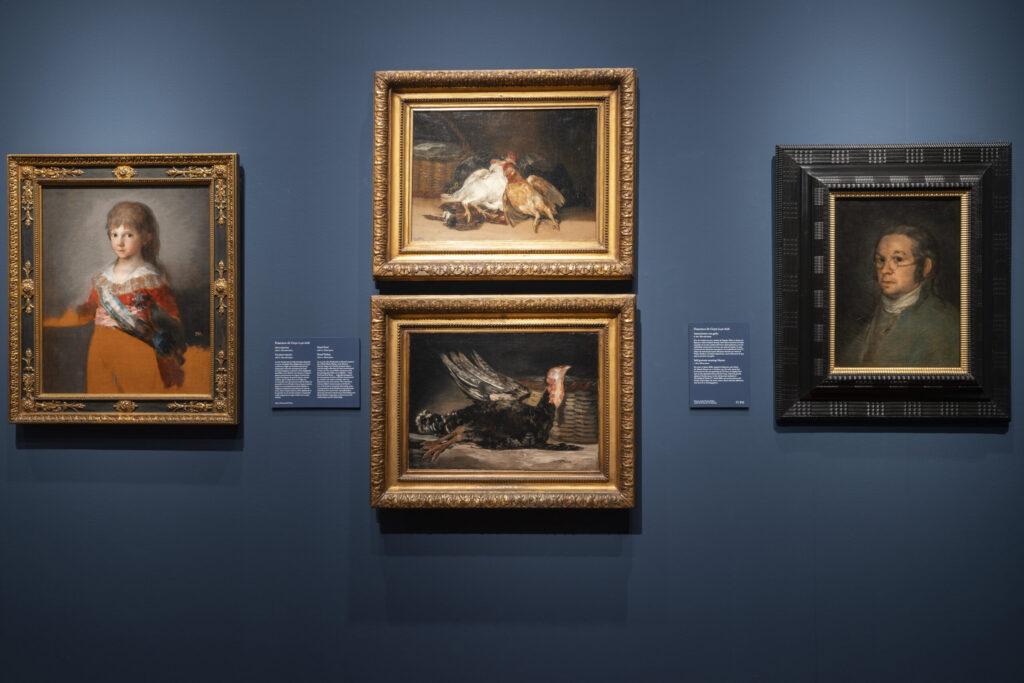
Image of the “Rainer Maria Rilke and Spanish art” exhibition rooms. Photography: © Museo Nacional del Prado
The European poet par excellence – as we said, was born in Prague; was trained in Munich; followed Lou Andreas-Salomé to Berlin; traveled widely in Italy and Russia; was part of the Worpswede artists’ colony in Bremen; He lived for several years in Paris, then in Duino and Venice; In World War I he remained in Germany and Austria; and, finally, he settled in Switzerland until his death – maintained deep and well-known ties with the plastic arts; surely his most famous chapter is his stay with Rodin as secretary, a brief time (the sculptor fired him and he did not hold a grudge) that allowed him to write a short and excellent book about him that the French master himself considered as the supreme interpretation of his creations. Their texts also offer a suggestive visual character. In fact, between 1996 and 1997 an exhibition toured Neuss, Munich and Bremen around his links with the plastic arts of his time, focused on his concept of learn to seeand last year the Paula Modersohn-Becker Museum hosted another that emphasized the close relationship between both artists in the context of Worpswede.
Regarding that presentation from the nineties, only two works present at that time can be seen in the Prado and the first is, precisely, the solid portrait that Modersohn-Becker gave him in Paris in 1906, with his eyes and mouth very obviously open, in a gesture that, speaking of Rilke, communicates a lot. The second is The dwarf Doña Mercedes of Zuloaga, in which the Czech found the humility and courage that he believed defined those of us who reside here, in addition to a whole world in his mirror ball.
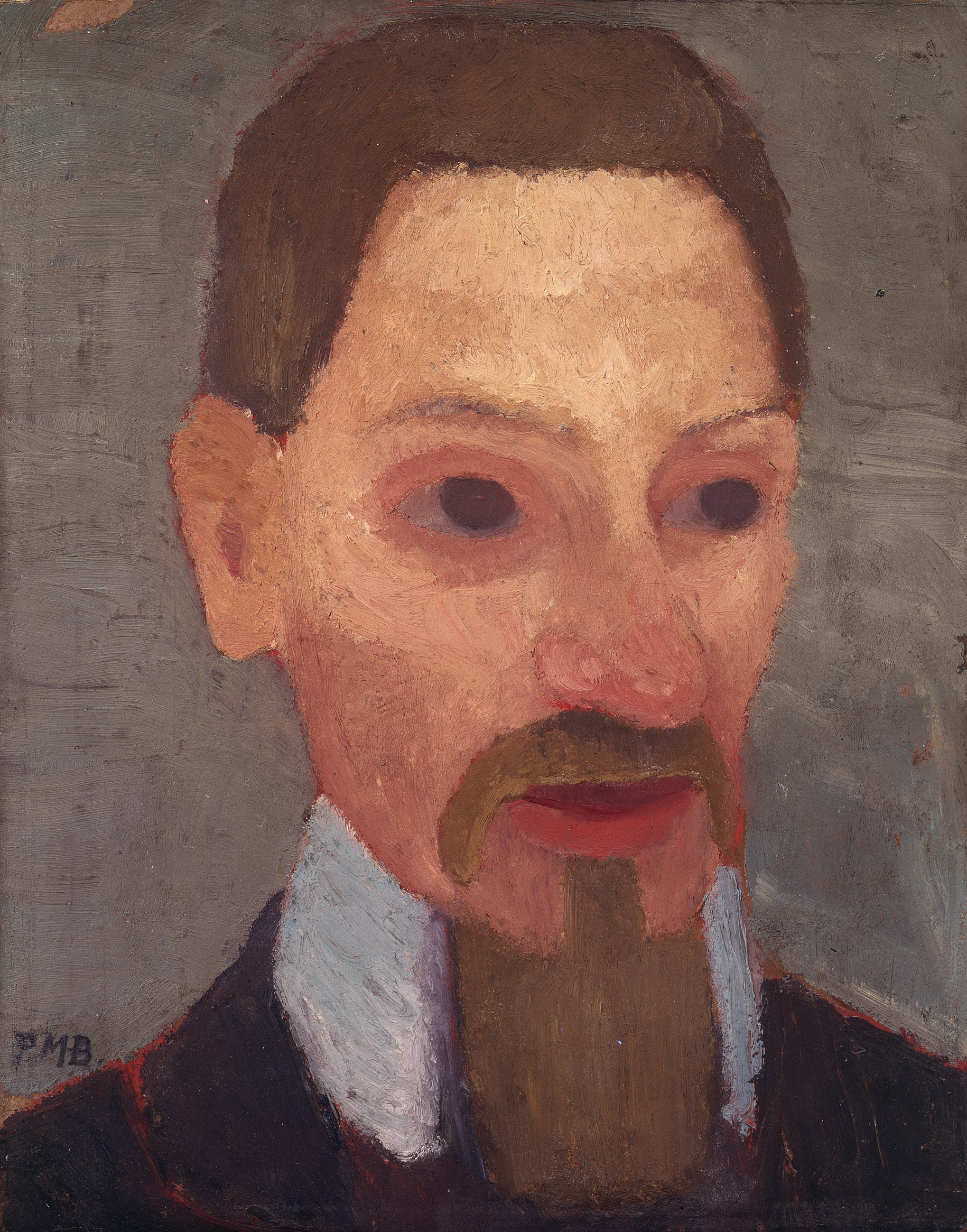
Paula Modersohn-Becker. Rainer Maria Rilke1906. Bremen, Paula-Modersohn-Becker-Stiftung, Leihgabe aus Privatbesitz
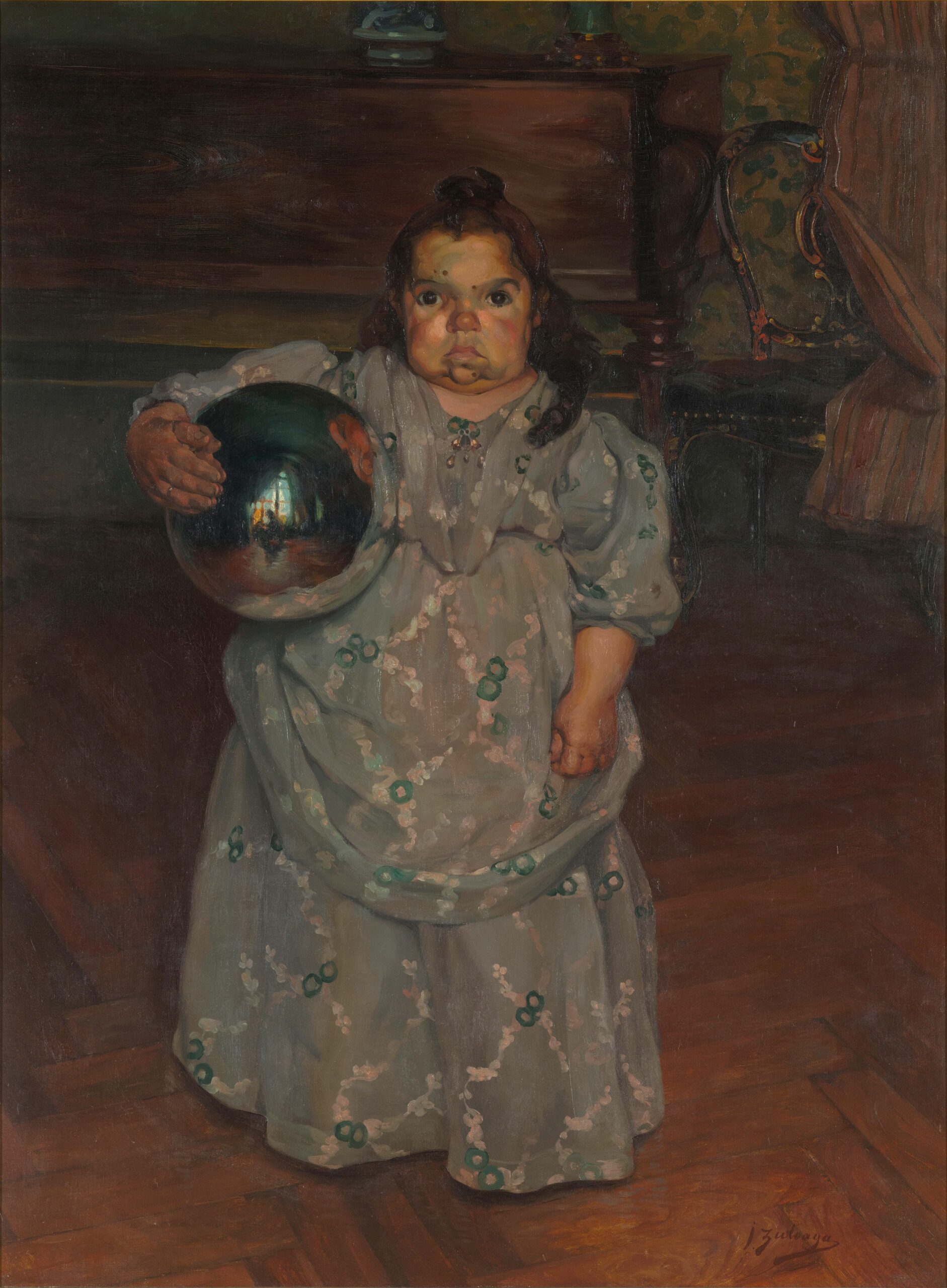
Ignacio Zuloaga. The dwarf Doña Mercedes1899. Musée d’Orsay, Paris
The first stop on the exhibition tour is, precisely, Paris, because, as we anticipated, it was there where he met Zuloaga, whose paintings he had previously heard about in Germany around 1900. His bullfighters and flamenco dances – we will contemplate Spanish dancer and Run– inspired him with two poems, which are reproduced, and will always be this way, in the rooms, in correspondence with the images, but beyond them, he also owes Éibar part of his deep attraction to El Greco and to the Spanish cities of greatest historical importance.
Through the correspondence between the two we have clues that Rilke wanted to travel to Spain – he did so when that friendship no longer lasted – and that he wanted to know more about the Spanish artists who were his contemporaries, such as María Blanchard, whose Communicant (now in the Prado) saw in photography, or like the inevitable Picasso, whose family of mountebanks It would be the germ of the fifth of his ten Duino elegies: Who are, tell me, those puppeteers/ even more blurry than ourselves. /Who are those/ whom a laborious unsatisfied will twists like clothes, suddenly/ (for whom?)/?
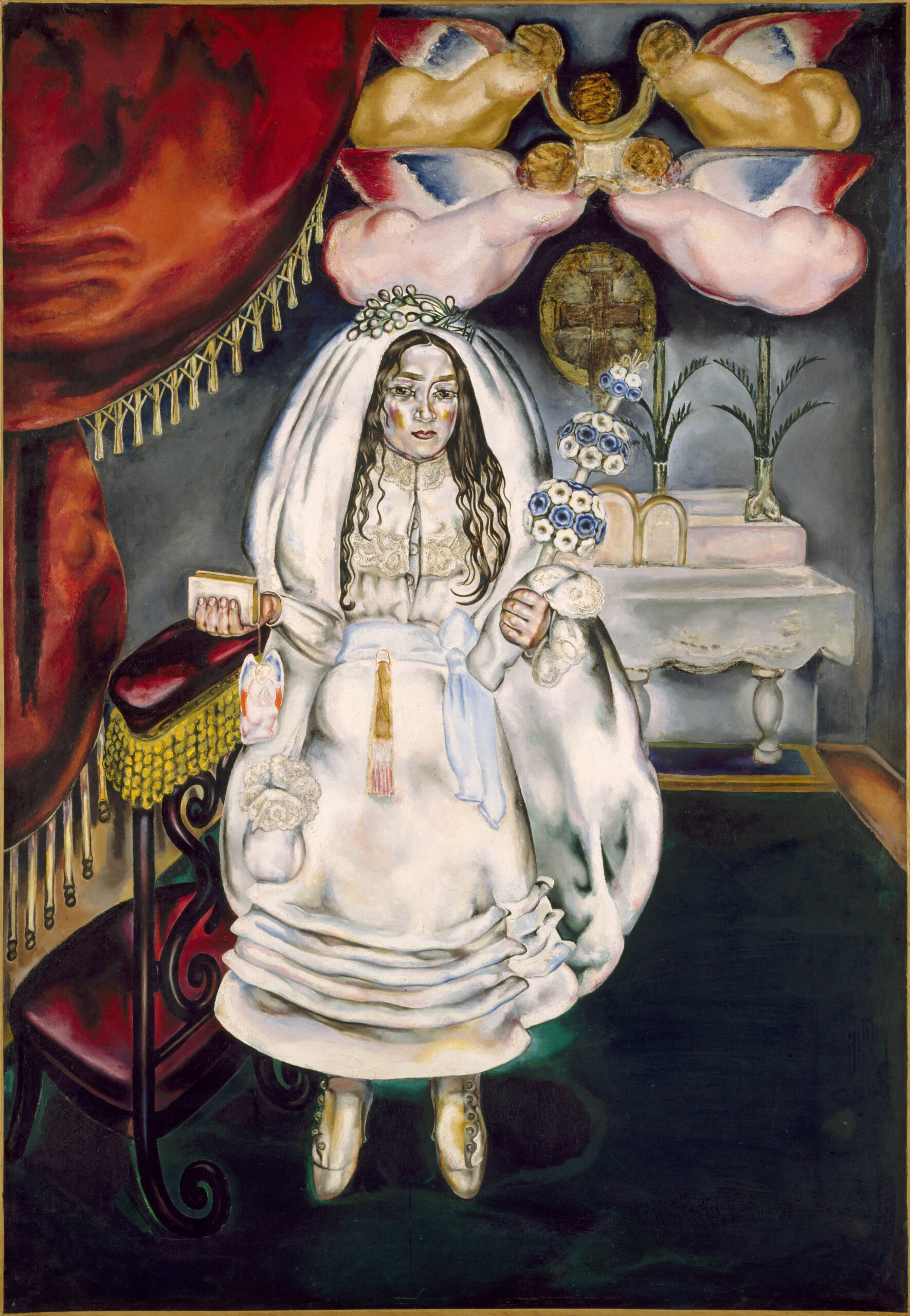
Maria Blanchard. The communicant1914. Reina Sofía National Art Center Museum
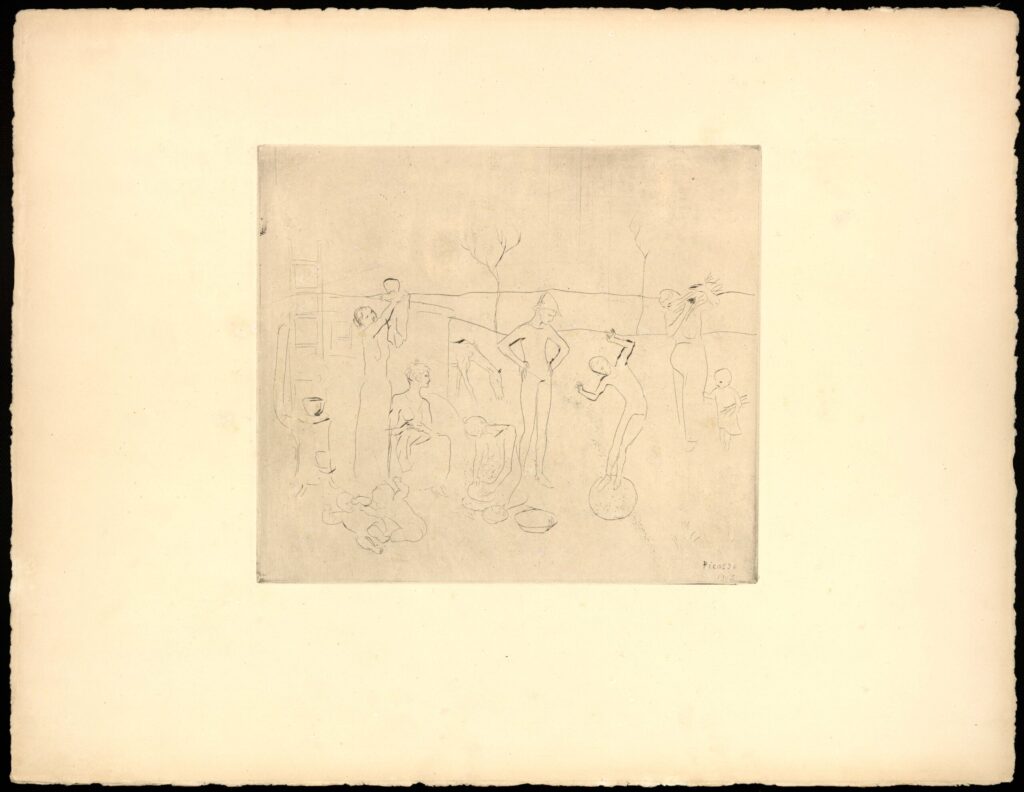
Picasso. Mountie1905. Málaga Foundation on loan to the Picasso Birthplace Museum
Immersed in his Spanish adventure – traveling then was what it was – his first stop could not be other than Toledo, due to his love for its past and for Greco himself: he was subjugated by the unreality of its spaces, the strange and ascending nature of its figures, the quality of the lighting and its extremely rich palette.
Both the streets and those paintings were a revelation for him; The beautiful ones have arrived in Madrid Penitent Magdalene from Budapest, his portraits of Saint Jerome and the Duke of Benavente from Bayonne, or his frenetic and almost ghostly nocturnal View of Toledo from New York.
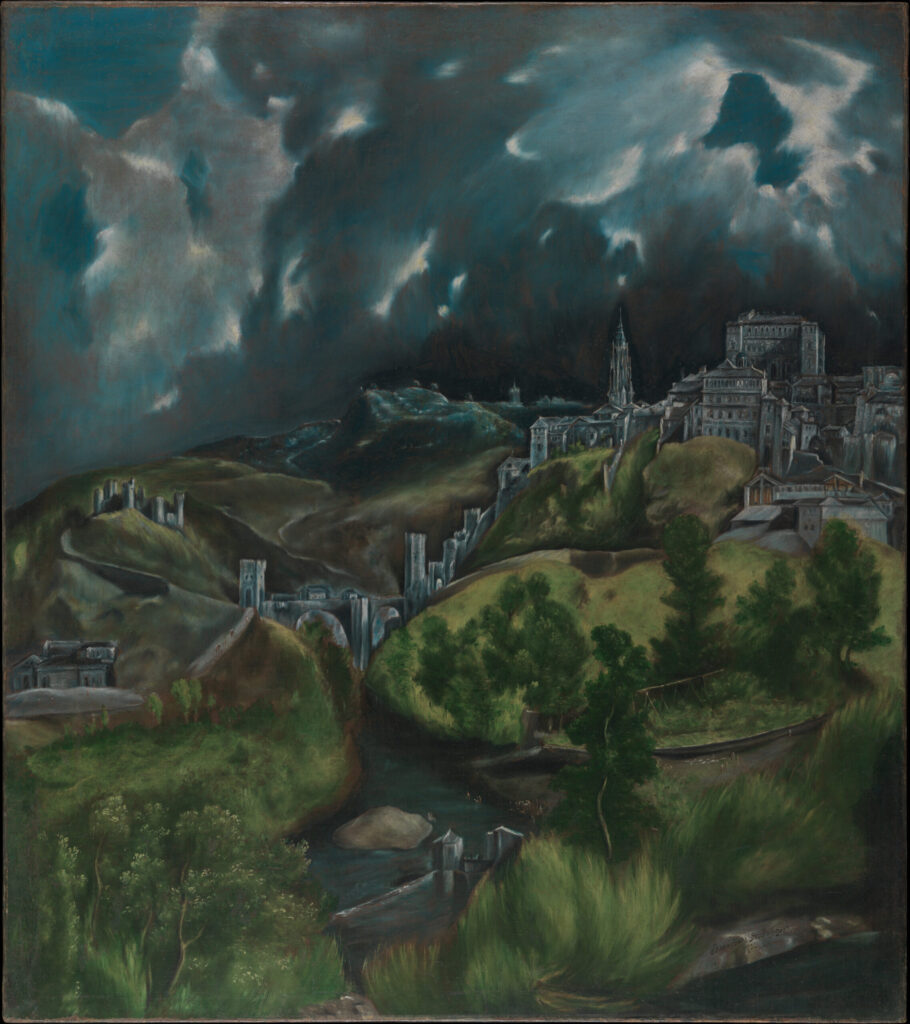
El Greco. View of Toledoaround 1599-1600. The Metropolitan Museum of Art
He stayed there for a month, before settling in Ronda, after passing through Córdoba and Seville, briefly. He had not planned to stay in the Malaga town and, nevertheless, it was the town that occupied him the most time during his Spanish stay. He acquired a good number of photographs of its rocks and streets, carefully selected to form part of his correspondence, and in his writings he established parallels between the eroded natural landscape and the cultural one (mountains that seem to have opened like a book of psalms to be sung).
We can also trace the traces of this place in some of its Poems at night or in the same Duino Elegies.
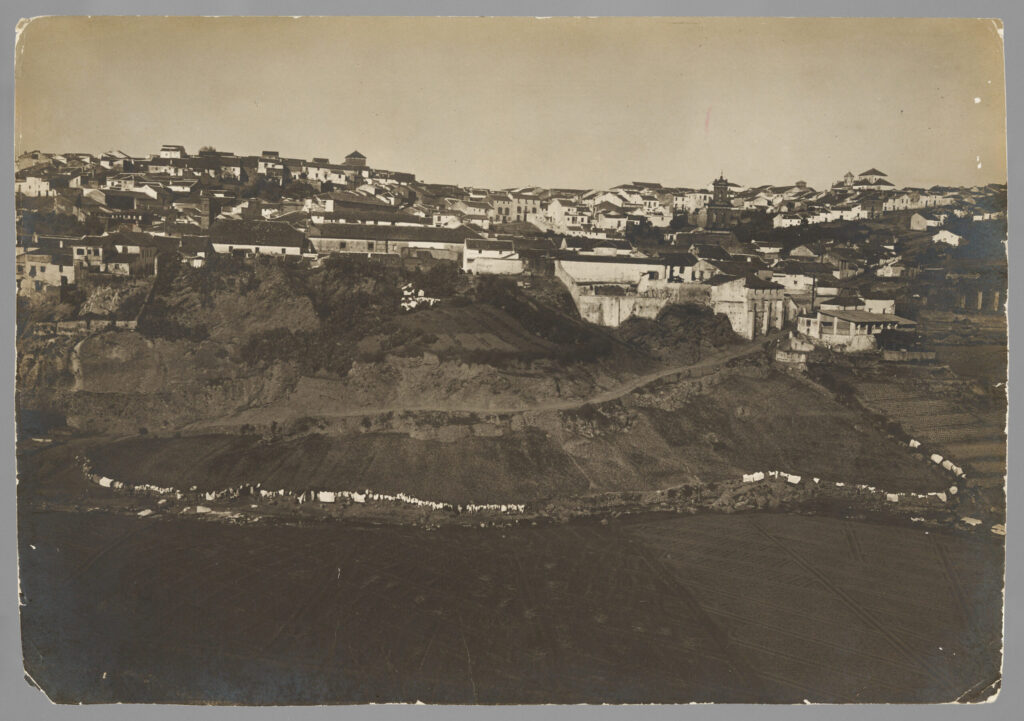
Attributed to José María Reyes. Ten views of Ronda with Rilke’s annotations on the back, around 1900-1913. Bern, Schweizerischen Nationalbibliothek
Rilke’s last stop in Spain was Madrid, with a clear initial objective, as he explained to Pía Valmarana in a letter: I will stop in Madrid to spend a few days at the Prado Museum. Those days were almost a week and the occasion for a reunion with old acquaintances that I had been able to discover – or glimpse in photographs of diffuse quality – in Vienna, Munich, Berlin or Bayonne; The Musée Bonnat-Helleu has provided, for this last section, a relevant portrait of a mature Goya with glasses. He was passionate about Velázquez – his jesters and royal portraits – since his youth; also of the tenderness of the religious scenes of Murillo or Goya who was more open to life (and animal death). He hoped that Modersohn-Becker, to whom he gave an emotional requiem, would enjoy his children.
Beyond contemplating exceptional works that are rarely done like Rilke (travel), this exhibition stands out for its enormous documentary value: it has unpublished letters and fragments of notebooks that are also unpublished and that can be enjoyed in detail in the catalog.
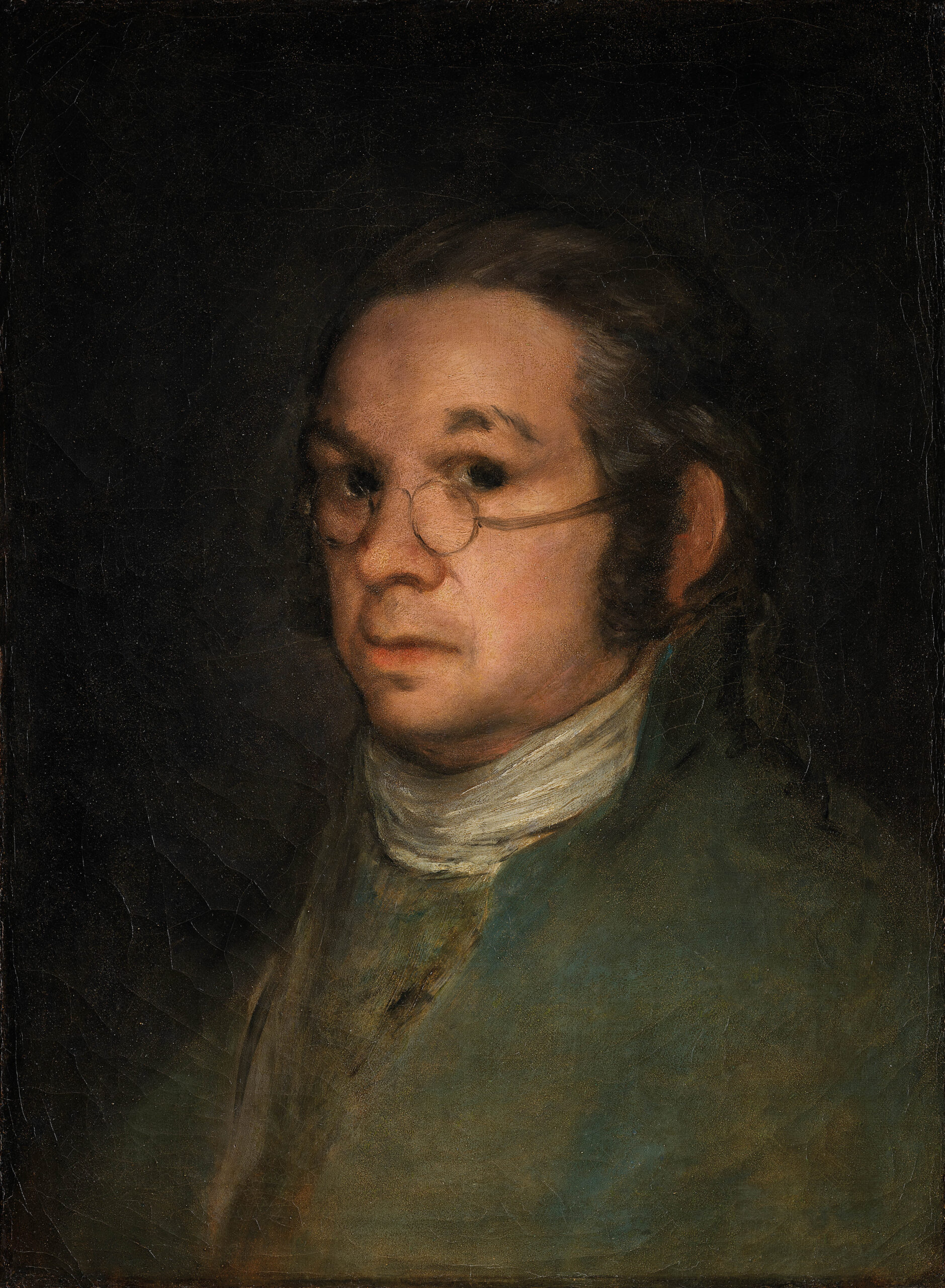
Francisco de Goya. Self-portrait with glassesaround 1800. Musée Bonnat-Helleu, musée des beaux-arts de Bayonne
“Rainer Maria Rilke and Spanish art”
NATIONAL PRADO MUSEUM
Paseo del Prado, s/n
Madrid
From November 17, 2026 to March 7, 2027