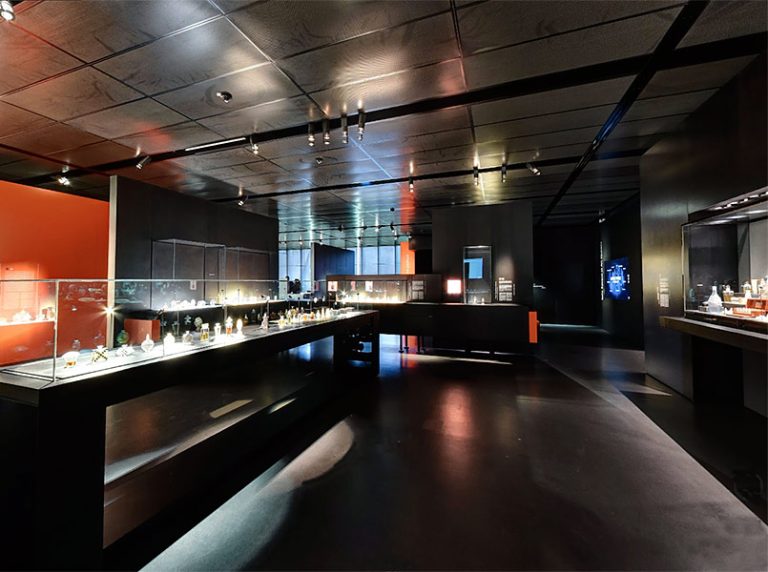
During the night of September 3 to 4, 2025, around 3:15 am, thieves entered the National Museum Adrien Dubouché (Limoges) by fracturing a window, they triggered the alarm and flew before the goalkeeper’s arrival. The break -in targeted the historic gallery; Traces of tools are visible near the opening. The operation, brief and targeted, suggests professionals familiar with places.
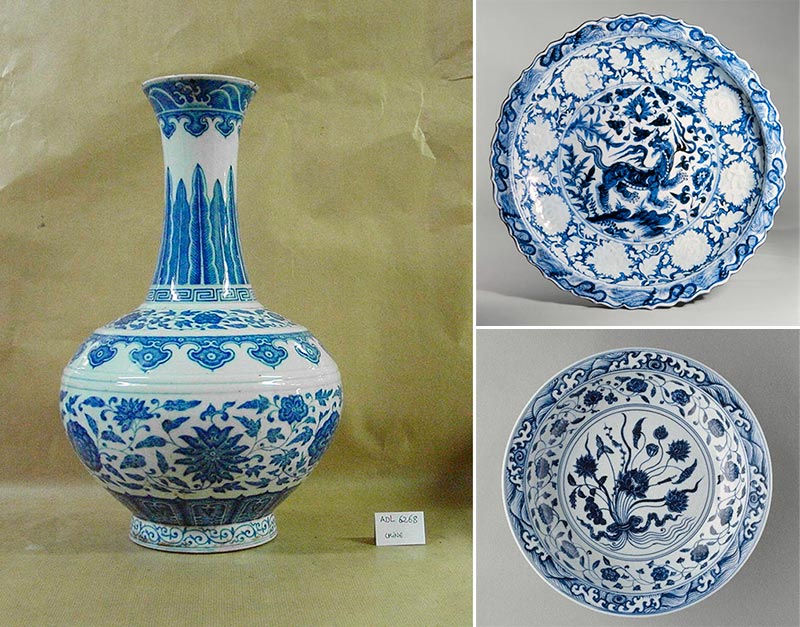
The flight is made up of three works of Chinese porcelain: two blue-and-white dishes of Jingdezhen dated from the XIVᵉ and 15th centuries, and a vase of the 18th century. The museum said they are “national treasures”. The value of the works oscillates according to the sources: the establishment confirms an insurance value greater than € 6.5 million and estimated damage up to € 9.5 million.
How could theft have done so quickly? The first elements indicate access through a side window, a direct progression to a determined showcase and a leak before any interception. “The security system has worked, but it may be necessary to see it again”recognized the mayor of Limoges, highlighting the extreme speed of the commando. How were thieves been able to introduce themselves so easily? Why did the guards not intervened faster? The investigation will say it.
“Baizi” dish with blue and white decoration, Yuan dynasty (middle of the 14th century), hard porcelain, Jingdezhen factory (China).
© National Museum Adrien Dubouché, Limoges
Who are the sponsors? At this point, there was no claim. But the very precise choice of works – three exceptional Chinese porcelain – nourishes the hypothesis of a flight on order. “It is likely that collectors go from orders and aim at high level crime”still estimates the mayor. The open flagrance survey for “aggravated theft of cultural goods” was entrusted to the DCOS/SIPJ of Limoges, in co-saisine with the Central Office to Combat Cultural Property (OCBC).
What are these objects exactly and why are they so difficult to sell? The Jingdezhen Blue-Et-Blanc dishes embody the technical and aesthetic golden age of Chinese porcelain; Their seniority, their condition and their origin make them identifiable. In practice, these parts are unsaleable on the lawful market and can only circulate in parallel markets.
Where could they leave? Specialists evoke discreet sectors, sometimes outside Europe, which feed a micro -market of collectors ready to pay for the invisible – hidden works, never sold in the sales room or elsewhere. But the extreme notoriety of the parts, their recording in the databases of stolen objects and international cooperation in terms of cultural goods make any sustainable exposure hazardous.
The priority of investigators is to act quickly: the more time is advancing, the more difficult it is to find the works. The examples abound with stolen works and never (or not yet) found: the fifteen objects from the Chinese cabinet of the Empress Eugénie stolen from the Château de Fontainebleau in 2015, the modern paintings taken to the Museum of Modern Art in Paris in 2010…
In Limoges, the shock is all the more vivid as the museum retains one of the richest ceramic collections in Europe. The National Museum Adrien Dubouché de Limoges, inaugurated in 1900 and renovated in 2012, houses a large set of ceramics, glasses and enamels, retracing the history of the arts from fire from Antiquity to the present day. This is one of the components of the new public establishment entitled National Manufactures – Sèvres and national furniture, chaired by Hervé Lemoine.
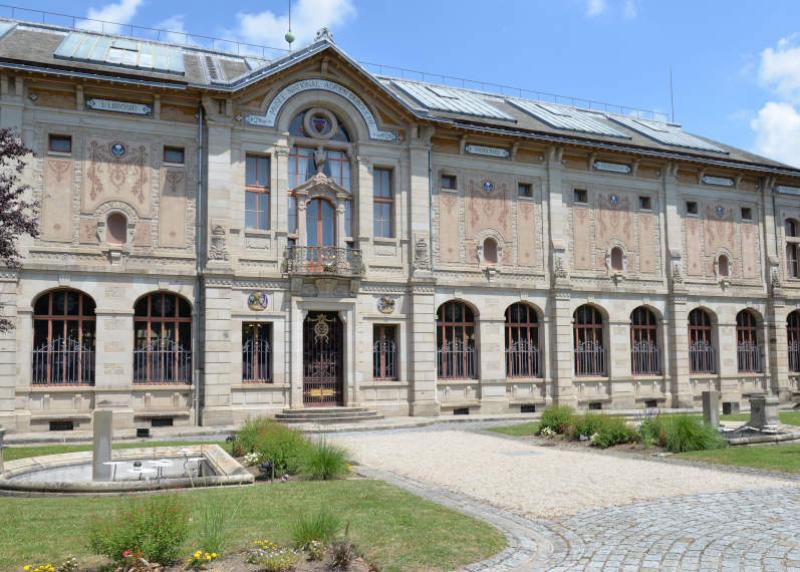
The Adrien Dubouché Museum in Limoges obtained its third star in the Michelin Green Guide in April 2023.
© Calips.