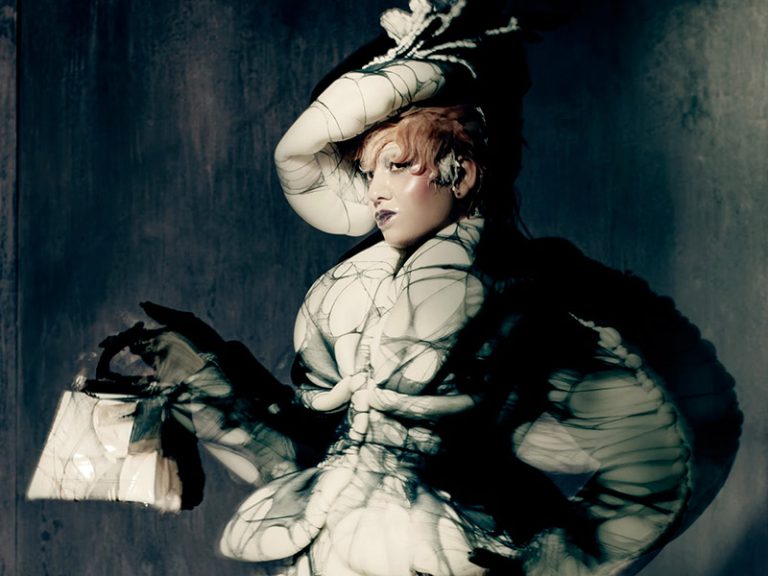
Paris. If the term “K-Beauty” designates an aesthetic structured by cosmetic brands and the stars who are their muses, the Guimet Museum exhibition goes back to the beginnings of a theory of beauty in Korea. Numerous exceptional loans from Korean museums enrich a chronological journey in three parts, structured around successive reinventions of the notion of beauty. “Beauty is both a narrative and a specific culture in Korea, and the exhibition presents the visual culture associated with it,” explains co-curator Claire Trinquet-Soléry, in charge of digital projects at the museum. Screens, paintings on silk, popular magazines and photographs punctuate a journey also embellished with contemporary costumes and elements of popular culture, such as mangas and extracts from television series.
Presenting an exhibition in the restricted spaces of the second floor of the museum was, however, somewhat risky, particularly in the rotunda, which requires scenographic adjustments. The curators get around the problem by opting for a reduced number of works and reproductions displayed on the walls for those that were unable to travel: this is the case of the famous Beauty painted by Shin Yun-Bok at the end of the 18th century and kept at the Kansong Foundation in Seoul. This work is essential in Korean society: “Nicknamed “the Korean Mona Lisa”, she became a meme on social networks and was the subject of several series, including on Netflix, as well as a novel», explains Claire Trinquet-Soléry.
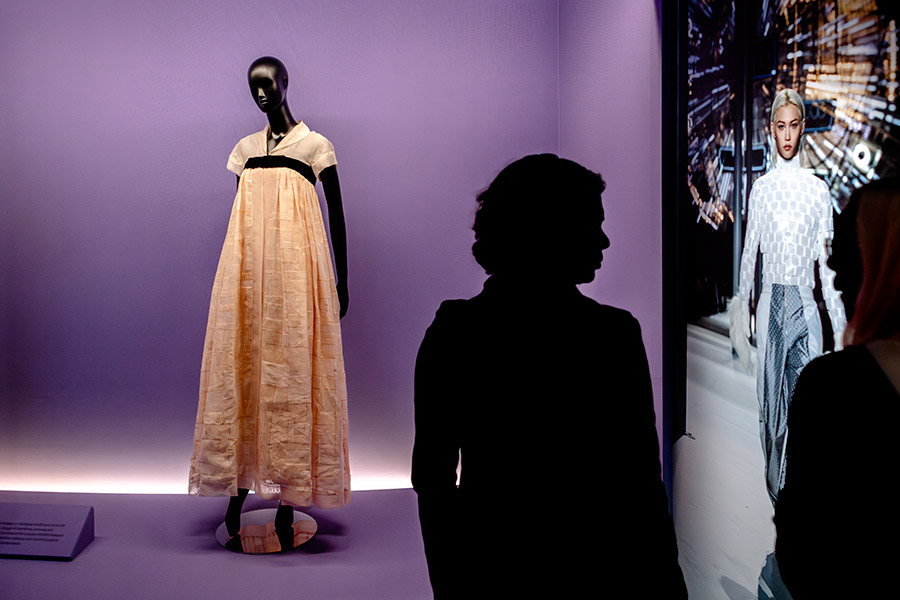
View of the “K-Beauty” exhibition at the Guimet Museum.
© Dmitry Kostyukov
At the end of the Joseon period (1392-1910), the representation of women evolved towards more naturalness. by moving away from the strict ideals of beauty inherited from Confucianism”specifies the commissioner. The works then show women with supple lines, pale complexions, red lips and wearing elaborate wigs: initially reserved for gisaeng (courtesans), this style is adopted by upper-class women in literate circles. This new ideal of beauty influences artists to this day, as evidenced by a digital fiction broadcast in the first room.
The exhibition goes beyond appearances and addresses the subject of cosmetic care in the second part of the tour, in the rotunda: in addition to large windows with sober lines, the curators have chosen vertical banners echoing the works presented. Since the 17th century, beauty treatments in Korea have required numerous accessories, a refined selection of which is offered here: small ceramic pots, hairdressing utensils, mother-of-pearl marquetry boxes, a whole sensual universe is revealed. “ These gestures were carried out in the part of the house reserved for women. explains Claire Trinquet-Soléry, who adds that the notion of male beauty has also evolved, as shown by certain cosmetic objects. Genre scenes illustrate the diffusion of aesthetic fashions among the working classes, as well as the trades associated with pharmacopoeia and millinery.
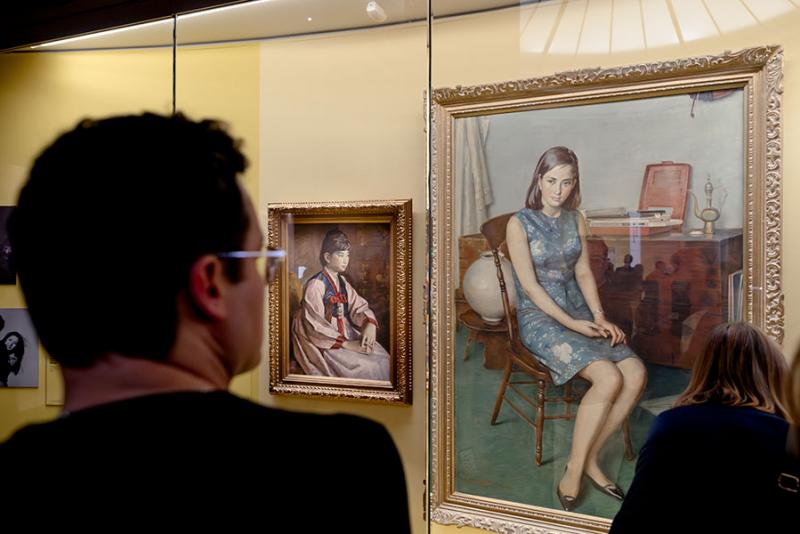
View of the “K-Beauty” exhibition at the Guimet Museum.
© Dmitry Kostyukov
Women “exoticized” by the West
The Japanese occupation from 1910 disrupted society, because the Japanese banned certain outfits and hairstyles: traditional makeup (white, red, black) disappeared, wigs too, and a new feminine silhouette emerged. Illustrated travel stories provide a contrasting image, with women “exoticized” by Western photographers, according to the curator, who draws a parallel with the orientalism of the previous century. The ideal of the “modern woman” is disseminated in popular magazines with a large circulation, accompanied by contradictory injunctions: the woman must be sporty and elegant, display a natural or even tanned complexion. At the same time, the cosmetics industry was established under Japanese influence, then developed in the 1960s and 1970s when Korea began its economic metamorphosis: “Several cosmetic brands are inspired by traditional pharmacopoeia », Specifies the commissioner. Against a backdrop of colorful advertising signs, the exhibition shows the soft power contemporary Korean, with male stars looking “unisex rather than “queer””and elements of popular culture. Portraits of K-pop singers, cosmetic products from the Erborian brand and video clips contrast with a documentary and a successful novel that dismantle the injunctions to perfection, in a Korean society where cosmetic surgery is “very widespread», recalls Claire Trinquet-Soléry.