Barcelona,
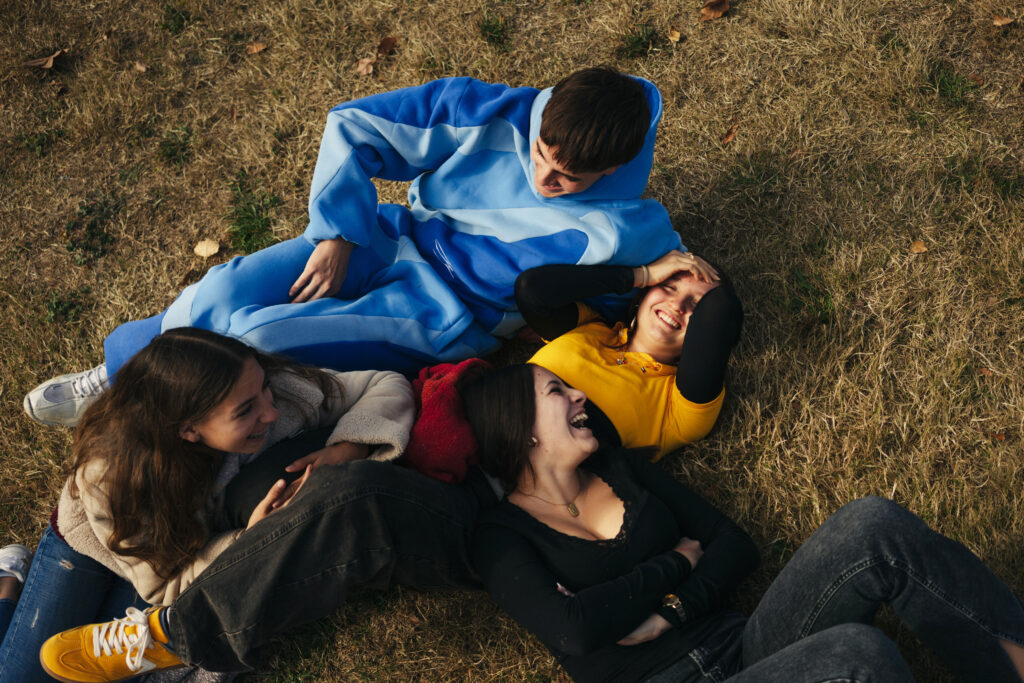
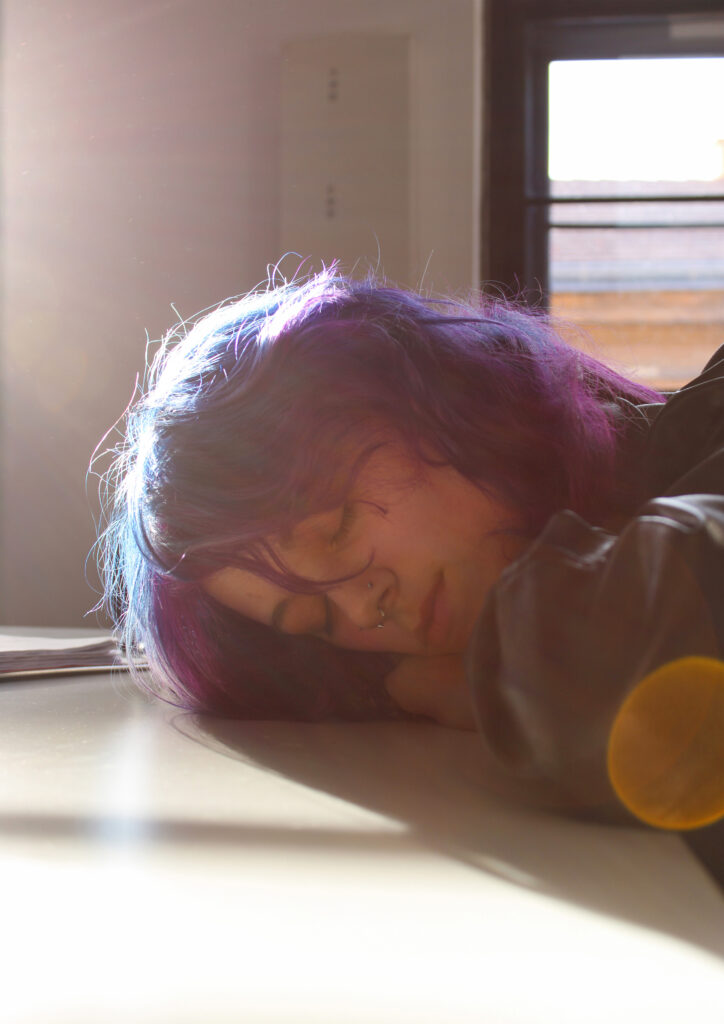
His portraits are, and actually everywhere: never before have young people represented themselves so much nor had they, in general, produced so many images around their own world and their surroundings. Nor had these images ever achieved, until now, the dizzying diffusion that the Internet and networks foster today.
Their possibilities of exposing themselves are almost unlimited, not so much those of expressing themselves and being cared for in spaces where they are not necessarily judged: no study indicates that the usual meeting and socialization points, the networks of non-virtual relationships, are experiencing their best moment.
The Center for Contemporary Culture of Barcelona. CCCB, which usually gives ground to adolescents when participating in its activities, and also programming them, presents until next May the exhibition “We are seventeen years old. A collective portrait”, by the association A Bao A Qu, which has been working for more than two decades, promoting creation and culture in public educational centers and among young migrants without families, and the researcher and curator Érika Goyarrola.
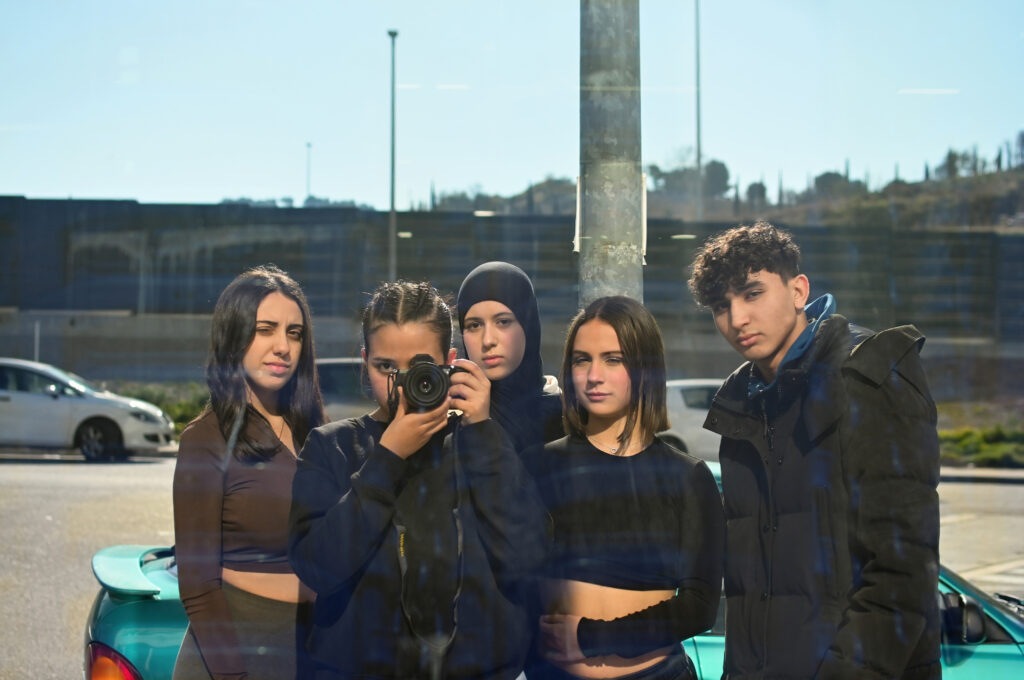
For this project, three hundred young people from Catalonia, Lithuania and Romania were invited to try to express who they think they are, how they feel and how they interpret the world through three artistic areas: photography, cinema and words. Always in first person.
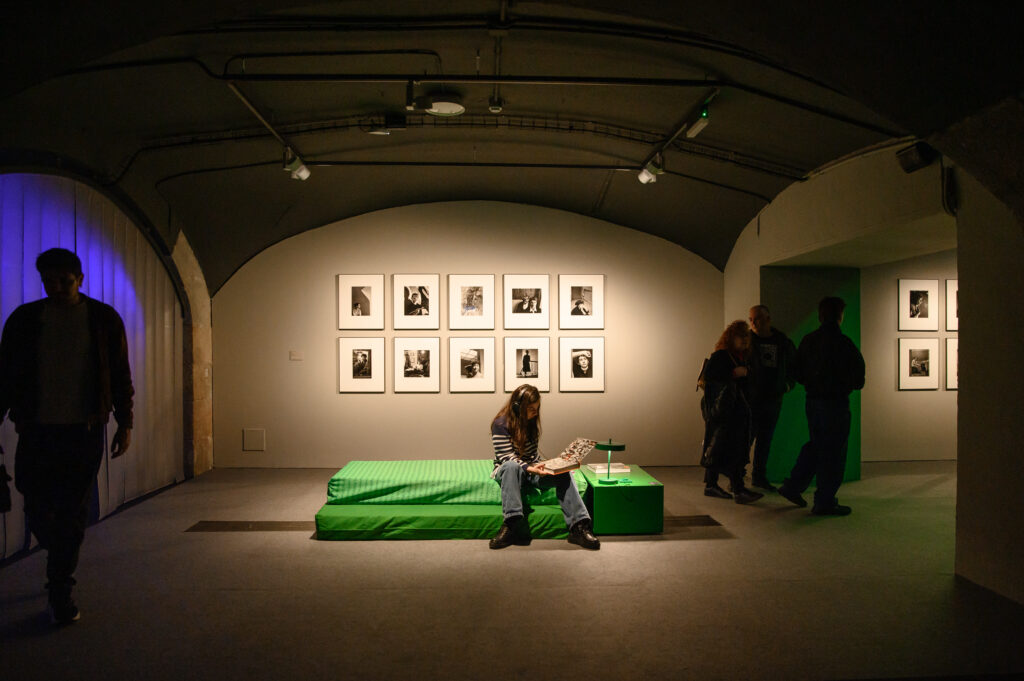
The fruits of this collective portrait, in which the protagonists have allowed themselves to be accompanied by photographers, artists, filmmakers and playwrights, are now exhibited by the CCCB: these are snapshots, filmed recordings and texts in which they have been able to express their concerns without paying attention to pre-established codes and without any limitations other than those that it was inevitable for them to avoid. The possibilities of dismantling adult prejudices are, thus, quite high.
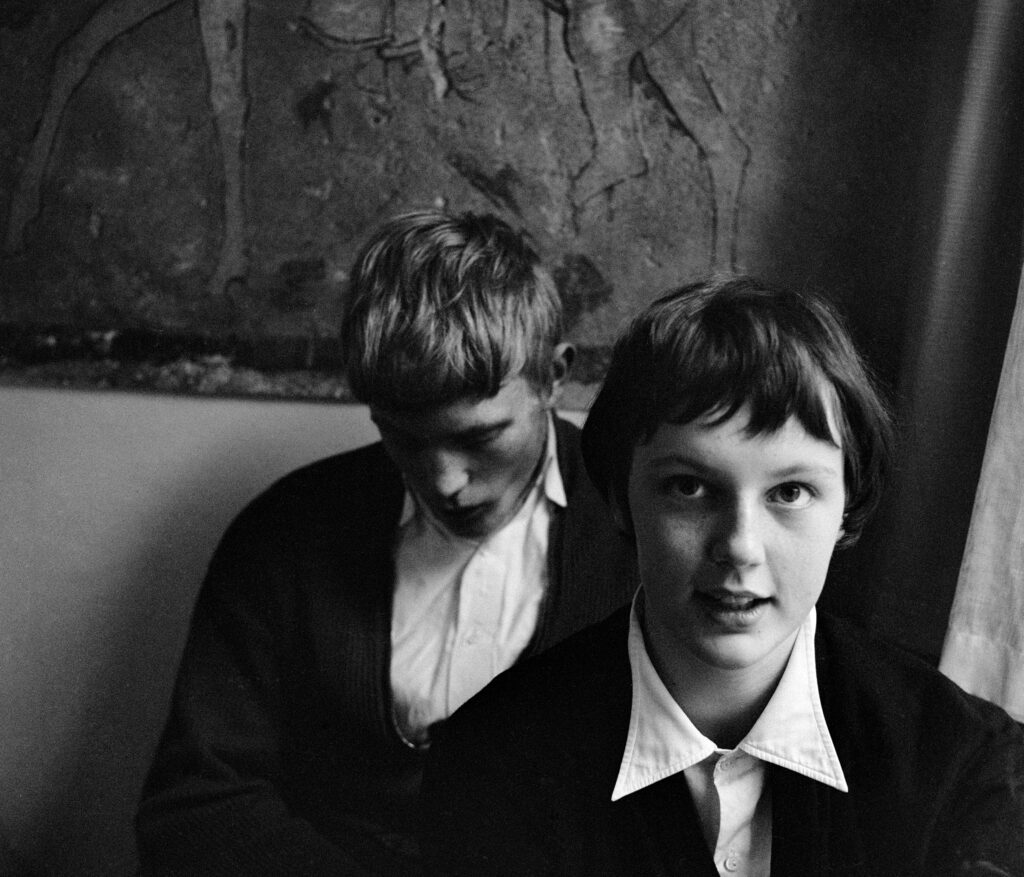
This proposal has had an inspiring starting point: the book We are 17 / We are 17 years olda work by Dutch filmmaker and photographer Johan van der Keuken, who in 1955, when he was that age, decided to photograph his group of friends. The thirty images that made up that series – and that can now be seen at the CCCB, weaving complicities with those of today’s young people – would have been very much a gesture of self-affirmation: they were his way of taking, metaphorically, the word at ages (and in a time) when opinion is not usually demanded.
That year, Van der Keuken was in his last year at the Montessori Lyceum in Amsterdam; That was, evidently, his first book. For many of their friends, those could also have been their first portraits: they were between fourteen and nineteen years old. In these works, not only the faces communicate, but also the way of approaching them: the frankness and maturity shown by the artist and his models surprised at the time and also scandalized the press. These boys were almost children, but they did not play or laugh; The older ones were not working either, taking advantage of their time. They did not respond to the perception of the generalized youth, rather they were defiant: neither carefree nor industrious.
Today it is not at all common for a young person who has not reached the age of majority to manage to publish a book of photographs, and for him to offer it to his peers; In the fifties the maneuver was, to an even greater extent, a declaration of principles. The fact that this book is the seed of this exhibition proves that that courage has not lost its validity.
The Catalan institutes that decided to get involved in this idea were Bellvitge (L’Hospitalet de Llobregat), Doctor Puigvert (Barcelona), Les Aimerigues (Terrassa), Angeleta Ferrer (Barcelona), Infanta Isabel de Aragón (Barcelona), Maria Espinalt (Barcelona) and Miquel Tarradell (Barcelona), along with those other groups of students from Lithuania and Romania, thanks to the support of the Meno entities Avilys and Contrasens. And they have allowed themselves to be advised, as we said, by photographers (Ingrid Ferrer, Tanit Plana, Mònica Roselló and Berta Vicente Salas) and filmmakers, artists and playwrights (Xavier Bobés, Jaume Claret Muxart, Raquel Cors, Pep Garrido, Mikel Gurrea, Martí Madaula, Sergi Portabella and Jaime Puertas Castillo).
The assembly is structured in artistic installations made in collaboration with the participants: two sound ones, advised by Bobés and Coma; an audiovisual project by Madaula; a mural by the illustrator Núria Inés (Tintafina) ; and a film created within the framework of the project Cinema in coursesby A Bao A Qu and Meritxell Colell. It closes with an audiovisual installation with musical compositions by several young people and Xamfrà, and an audiovisual piece created by students from the Institut de Tècniques Audiovisuals i de l’Espectacle (ITAEB).
The CCCB rooms have been, this time, the meeting space for the students to formulate what it means to be seventeen years old today and for the spectators to get closer to their points of view and, given the scenography of the exhibition, adopt for a while their ways of relating: they lie down, move, read or write messages of friendship.
The route is, in any case, open, without closed conceptual sections and strengthening ties between the works of these young people and those of Van der Keuken, who died a quarter of a century ago, who do not fail to have many fragilities and many strengths in common.
“We are seventeen years old. A collective portrait”
BARCELONA CONTEMPORARY CULTURE CENTER. CCCB
C/ Montalegre, 5
Barcelona
From March 6 to May 17, 2026