Madrid,
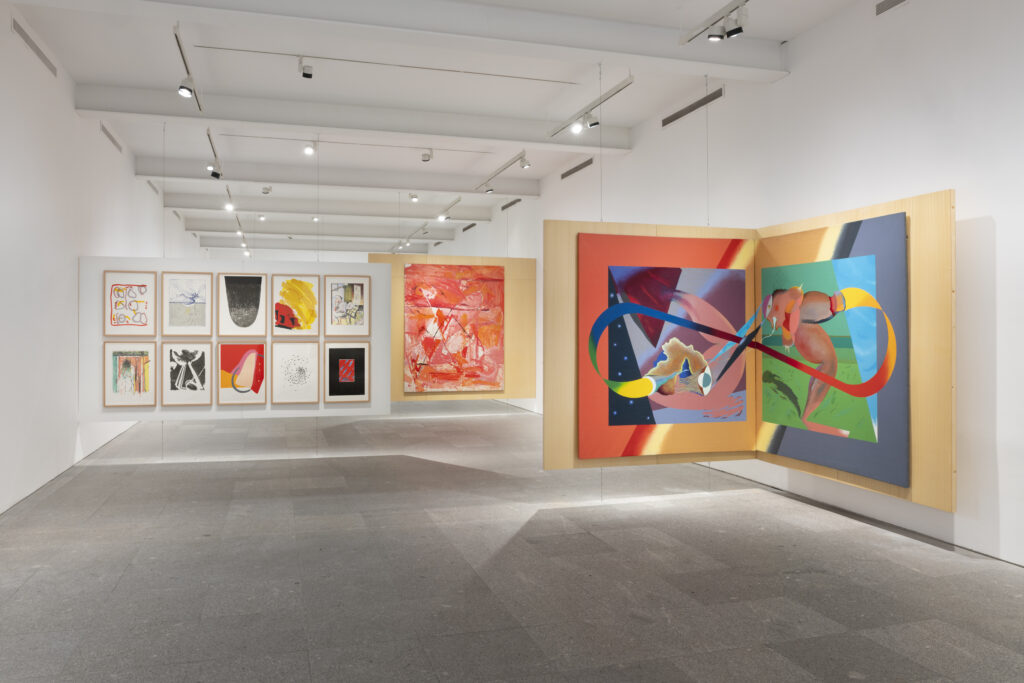
The fourth floor of the Sabatini Building of the Reina Sofía Museum now hosts the new presentation of the center’s collections dating from 1975; It is made up of four hundred pieces, by approximately half as many authors, of which, likewise, nearly two hundred are unpublished on the walls of the museum directed by Manuel Segade.
Once again, it is not an organization with a vocation that is neither univocal nor static, but, as Segade himself has pointed out, permanently reviewable and open: The task of the museum is not to reread the past looking for a mirror for today’s society, but to allow the concerns of the present to find in it a multitude of answers that allow us to understand that today is not something given, but rather a becoming of necessarily collective construction. In uncertain times like these, it is not about imagining futures, but about trying to recognize in the present those desirable futures that were already here.
These collections are now articulated in a linear route, although not always chronological, which is structured in three itineraries and twenty-one chapters. Essential figures from the second half of the 20th century will come our way, mostly Spanish (Picasso, Miró, Dalí, Juan Genovés, Juan Muñoz, Cristina Iglesias, Susana Solano, Juan Navarro Baldeweg, Esther Ferrer, Cristina García Rodero, Richard Serra or Andy Warhol), along with works by authors closely linked to the Transition and the Movida (Guillermo Pérez Villalta, Ocaña, Ouka Leele, Ceesepe, Nazario, Iván Zulueta or Alberto García-Alix), to gender issues (Judy Chicago, Barbara Hammer, Eulàlia Grau, David Wojnarowicz, Pilar Albarracín or Cabello/Carceller), to addressing the AIDS crisis and its consequences (Pepe Espaliú and Pepe Miralles), to the criticism of representation (Joan Fontcuberta or Dora García) or to Afro-American identities (Pocho Guimaraes, Agnes Essonti or Rubén H. Bermúdez).
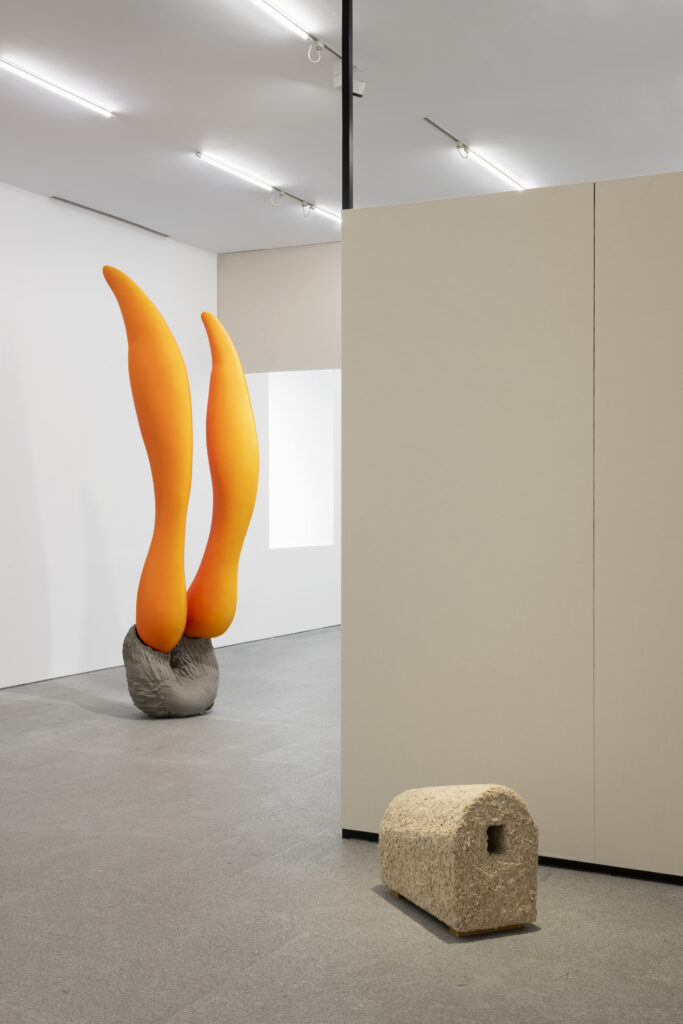
Compared to previous editions of the collection, almost 80% of the authors represented are Spanish and, among the international ones, about a third are Latin American. Space is also given to recent acquisitions and additions to the MNCARS collections and to young artists: Laia Abril, Mònica Planes, June Crespo, Teresa Solar, Elena Alonso, Sahatsa Jauregi and Nora Aurrekoetxea await us in the rooms – many of them responsible for new forms of sculpture and highly awarded in recent years.
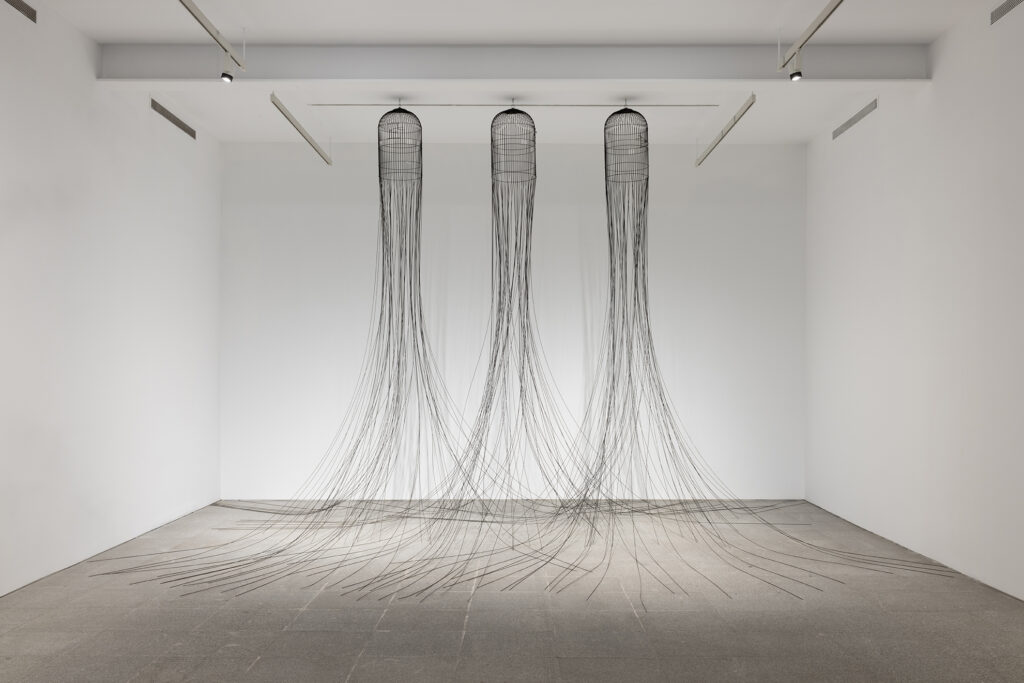
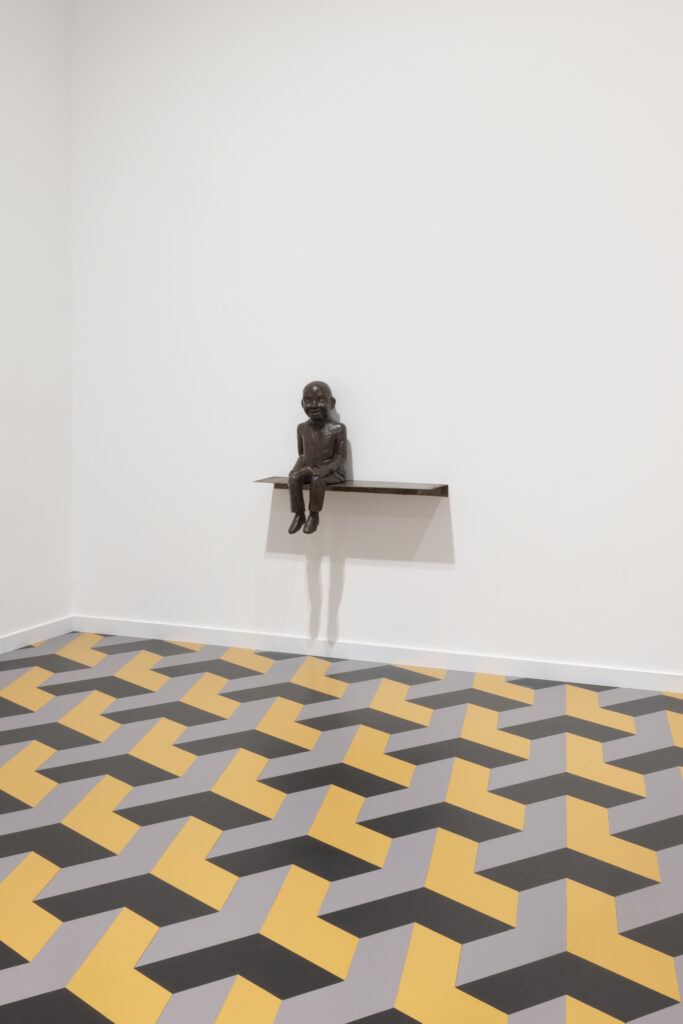
In the three itineraries into which this section of the collection has been structured, times that often return to the seventies intersect and the same geographies are studied as a confluence of paths and not as watertight compartments. The first of them is A history of affects in contemporary artwhere they are granted a political and social role that would transcend the private sphere and prominence is given to conceptual creators and authors linked to the feminist wave. The second, The powers of fiction: sculpture, new materialisms and relational aestheticsphysically brings a set of sculptures closer to the visitor, thus delving into pieces that propose new ways of relationship between bodies and objects; and the third, The institution, the market and the art that exceeds them bothproposes a genealogy of the Reina Sofía collection, from the first video art to the most recent proposals, passing through the new figuration and photography of the eighties. A good part of the creations compiled in this last chapter have to do with the impulse given, both to the museum and to the artists in recent decades, by Carmen Giménez, María Corral, Elvira González or Juana de Aizpuru; We will see how, moving forward in the 2000s, young artists rarely stick to single disciplines.
Those responsible for the design of the assembly, in which work has been done with the interior spaces of the rooms and not only with their walls, have been the artist Xabier Salaberría and the architect Patxi Eguiluz, and greater relevance has been given to the texts, intended to contextualize works, rooms and areas.
The next presentation of its collections that the Reina Sofía will offer will correspond to its collections dating between the fifties and the seventies and can be seen on its third floor from 2027. Finally, in 2028, the MNCARS will rearrange its avant-garde works, on the second floor.
Once this reorganization is completed, something will change in the museum’s temporary exhibitions: only the lower floors of the Sabatini building and the Nouvel building will host them.
NATIONAL MUSEUM REINA SOFÍA ART CENTER. MNCARS
C/ Santa Isabel, 52
Madrid