France. The Intellectual Property Code provides that the author of an intellectual work enjoys over this work, by the sole fact of its creation, an exclusive intangible property right enforceable against all. These provisions establish copyright, that is to say the right of authors to make a living from the use of their work and to have their creations publicly recognized and respected.
The problem is that it is up to the artist to prove that his work is original, and not up to the infringing user to prove that it is not: without the originality of the work, no copyright! This burden of proof can therefore prove to be delicate and sometimes onerous (findings of justice commissioners, legal proceedings, etc.). Above all, this evidentiary burden would not be without harming the fair trial enshrined in the Convention for the Protection of Human Rights and Fundamental Freedoms.
It is also not insignificant that the Superior Council of Literary and Artistic Property (CSPLA) denounced this fact in 2020 because, “with the understandable aim of preventing copyright protection from being misused to too easily cover objects which should not be intended to benefit from it, at least for such a long period, the system results, paradoxically, in seriously undermining the protection of works for which copyright has been established”. The recommended remedy was simple: rewrite article L. 112-1 of the Intellectual Property Code!
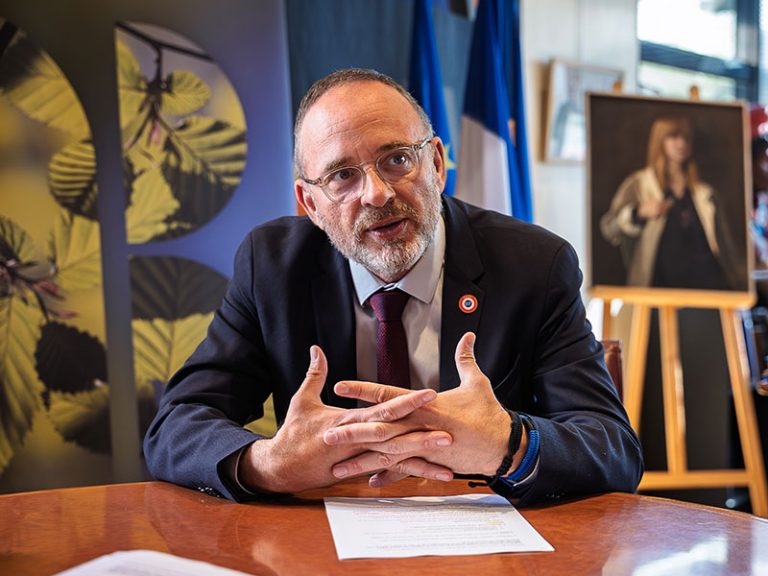
Sylvie Robert, socialist senator from Ille-et-Vilaine.
© Senate
A reform of the burden of proof
After a first aborted attempt on July 6, 2023, Senator Sylvie Robert (Socialists) has just resubmitted a bill to this effect on October 14, 2026. The latter aims to add a second paragraph to the aforementioned article according to which “It is up to the person who contests the originality of a work to establish that its existence is affected by serious doubt and, in the presence of a challenge thus motivated, to the person who claims rights to the work to identify what characterizes it”.
By this reversal of the burden of proof, the senator wishes to implement a new operation: “First of all, the dispute over the originality of a work must be “motivated” and give rise to serious doubt to be admissible; then, if this is the case, then the right holder must respond, presenting the elements which characterize, according to him, this originality”. Thus established, “the procedure appears balanced and respectful of the rights of each party (and) the artist-authors will once again be able to benefit from effective protection under the empire of copyright”.
This choice of legal policy would honor France as it currently celebrates the Bicentenary of photography. Indeed, what is the point of elevating paintings, sculptures or photographs to the rank of works of the mind without giving their creators the means to promote the recognition and respect of their rights?