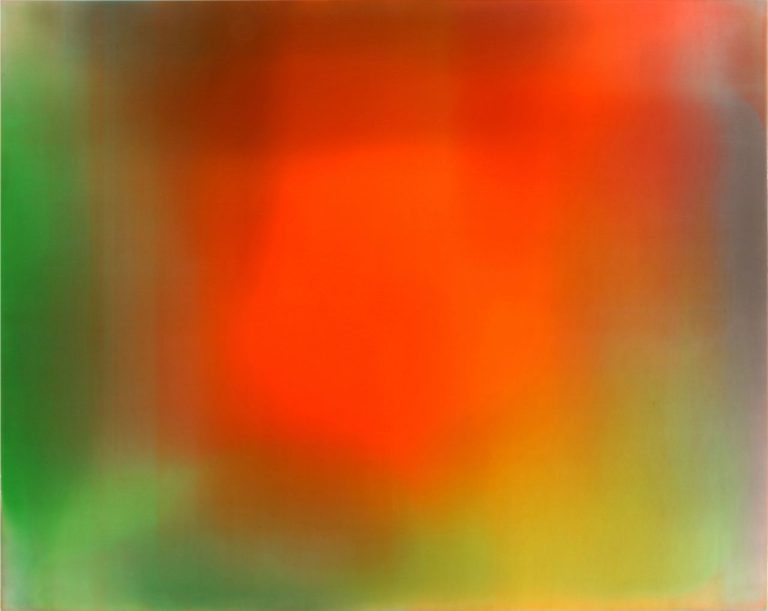
The Coppels, the couple formed by Agustín Coppel Luken and his wife Isabel, have one of the most extensive collections of contemporary art in Mexico, rich in both pieces by national authors – Francis Alÿs, Gabriel Orozco, Carlos Amorales, Iñaki Bonillas, Cruzvillegas, Jorge Méndez Blake and Pedro Reyes are just some of them – and international ones – we can mention Gordon Matta-Clark, Lygia Clark, Ed Ruscha, Hélio Oiticica or William Eggleston. Through their works, including photographs, installations, video art, sculptures and textual pieces, we can trace different aspects of the life and culture of our century and the past, and there have been many occasions to do so because they have supported numerous exhibitions, publications, research initiatives and public art projects.
Its funds nourish the new exhibition hosted by the Casa de México Foundation in Madrid, titled “It was during the day, it was in the afternoon, it was fantastic.” Nearly fifty works by a similar number of authors invite us to discover the movement baptized as Dynamic Museumwhich in the sixties – especially between 1962 and 1967 – brought together the artists who promoted abstraction in that country with the push of the architect Manuel Larrosa and the painter and cultural promoter Miguel Salas Anzures. Magnolia de la Garza, director of the Coppel collection itself, curated a tour that recalls how under the shelter of that collective a vast group of creators, mostly Mexican although not always, were able to advance in non-figurative fields that at that time did not yet enjoy institutional support; hence the name of this movement, born above all as a space for meeting and collaboration.
The exhibition covers heavyweights who, in those years, began to walk and did so providing, to a large extent, mutual support; most of them will be familiar to a wide public for works perhaps distant from those they occupied sixty years ago: these are Abraham Cruzvillegas, Alberto Gironella, Anri Sala, Antoni Tápies, Bas Jan Ader, Carlos Amorales, Daniela Rosell, Dayanita Singh, Dominique González-Foerster, Enrique Guzmán, Fernando García Ponce, Fernando Ortega, Félix González-Torres, Francis Alÿs, Francisco Ugarte, Gabriel Orozco, Gordon Matta Clark, Guillermo Kuitca, Haris Epaminonda, Helen Frankenthaler, Jack Goldstein, James Lee Byars, Jorge Eduardo Eielson, Jorge Méndez Blake, Joseph Cornell, Julio Galán, Laura Lima, Lawrence Weiner, Leonor Antunes, Lilia Carrillo, Liliana Porter, Manuel Felguerez, Maria Luisa Pacheco, Mario García-Torres, Marta Minujín, Miguel Calderón, Néstor Quiñones, Oscar Murillo, Pedro Coronel, Sarah Grilo, Tunga, Ulises Carrión, Valie Export, Vicente Rojo, Vivian Suter and Zao Wou-Ki.
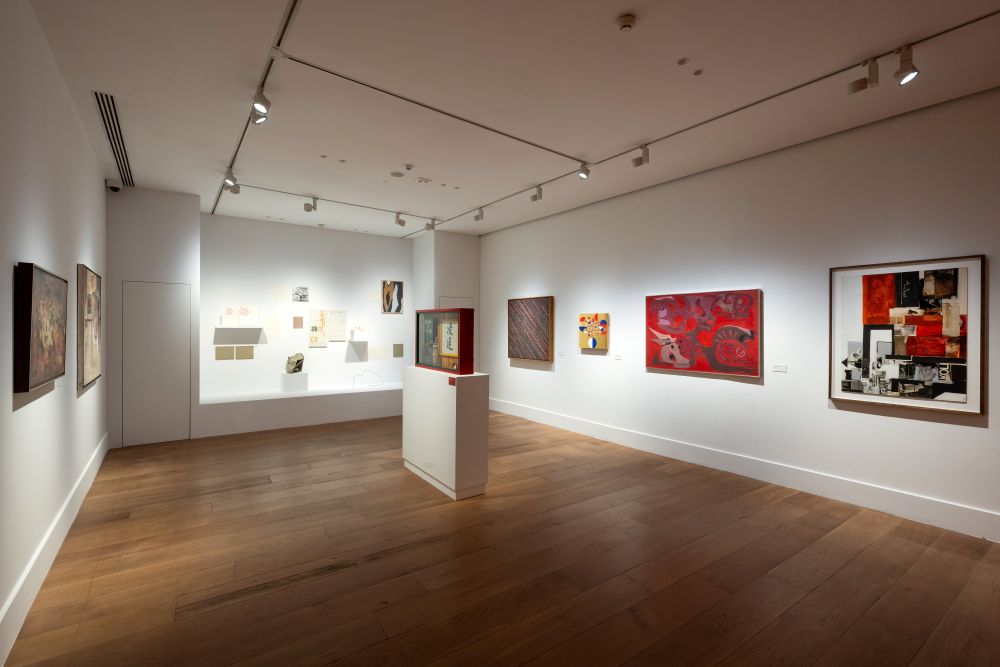
It was day, it was afternoon, it was fantastic. House of Mexico Foundation
The exhibition is organized into five sections, starting with intimate pieces that refer to very initial searches and experimentations with color and form and with works that prove how each of these artists shaped abstraction, adapting it to their own codes and their diverse contexts. The compositions are never ordered linearly, but emphasizing the ties between figures of different generations and origins, with Lilia Carrillo as a common interlocutor; This painter’s life was very brief, but she had time to adopt references from Cubism, Surrealism and Abstract Expressionism and entered the French scene in the 1950s. His own emotions, his internal world, were the basis of his production, created from gradations of light and shadow and pendulous tones.
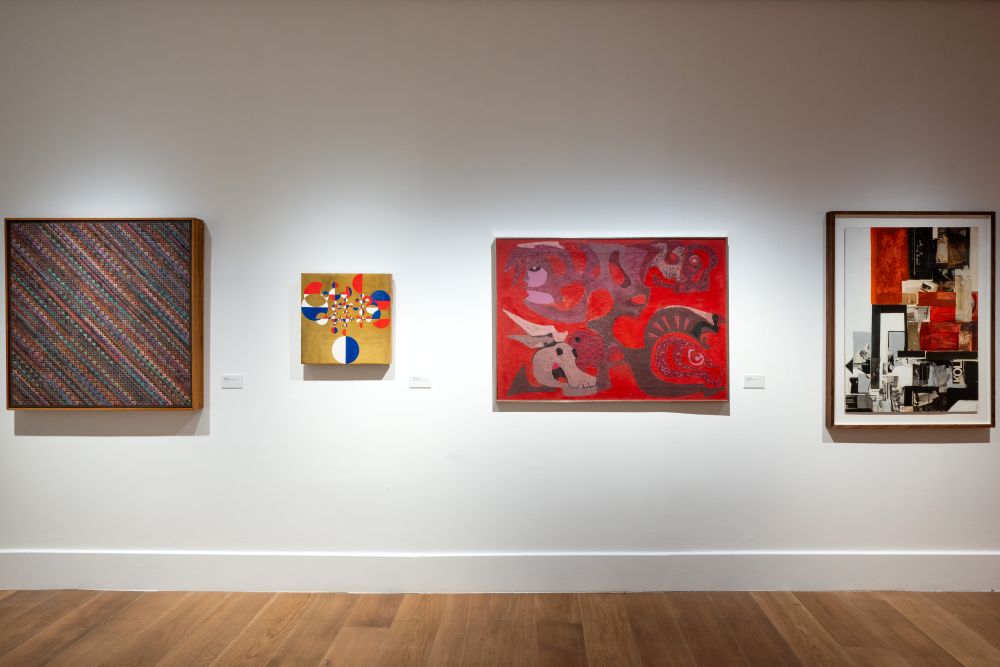
It was day, it was afternoon, it was fantastic. House of Mexico Foundation
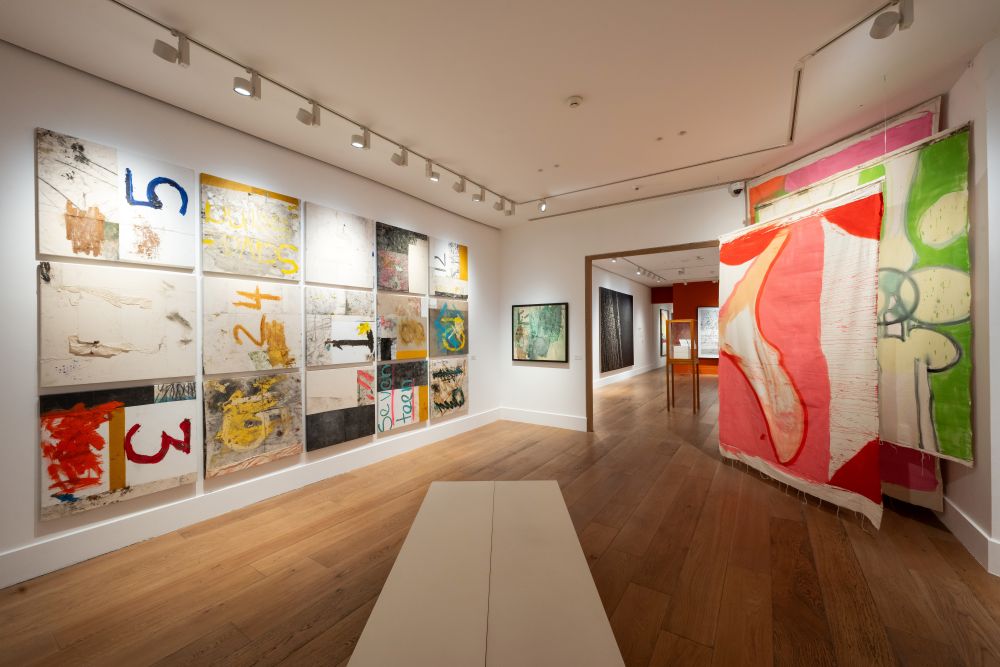
It was day, it was afternoon, it was fantastic. House of Mexico Foundation
The exhibition then delves into projects linked to poetry, performance and music, and even the amalgamation of both areas. Especially Ulises Carrión, Jorge Eduardo Eielson, Valie Export, Fernando Ortega, Francisco Ugarte, Dominique Gonzalez-Foerster and Jorge Méndez Blake demonstrated that sound and text could be placed in the germ of plastic works and that the result of these could invite the public to develop the triple exercise of reading, listening and imagining at the same time, very loved by those linked to the Dynamic Museum.
Architecture also has its own chapter: artists such as Calderón, Rosell, Matta Clark, Cruzvillegas, Kuitca, González-Torres and Singh conceived it as a setting that far transcended the practical to be a field of play and representation, an indicator of power relations and identity. Everyday life and mental fictions fit into it. And the culmination is proposals by Lawrence Weiner, Liliana Porter, Anri Sala and Marta Minujín that allude to an end to the party, to the silence and wear and tear that preceded the new paths and transitions of those summoned in the exhibition, very disparate and not always abstract journeys.
This Dynamic Museumwhich had no headquarters, no program or direction, and which was born after Salas Anzures became aware that Mexican artists needed a space where they could insert their creations into the creative conversation then alive in Buenos Aires, Lima or Sao Paulo, it was deployed mainly in houses occupied before they lived there. And it did not discriminate against dance, poetry, theater or happenings and, above all, their coexistence and mutual nourishment.
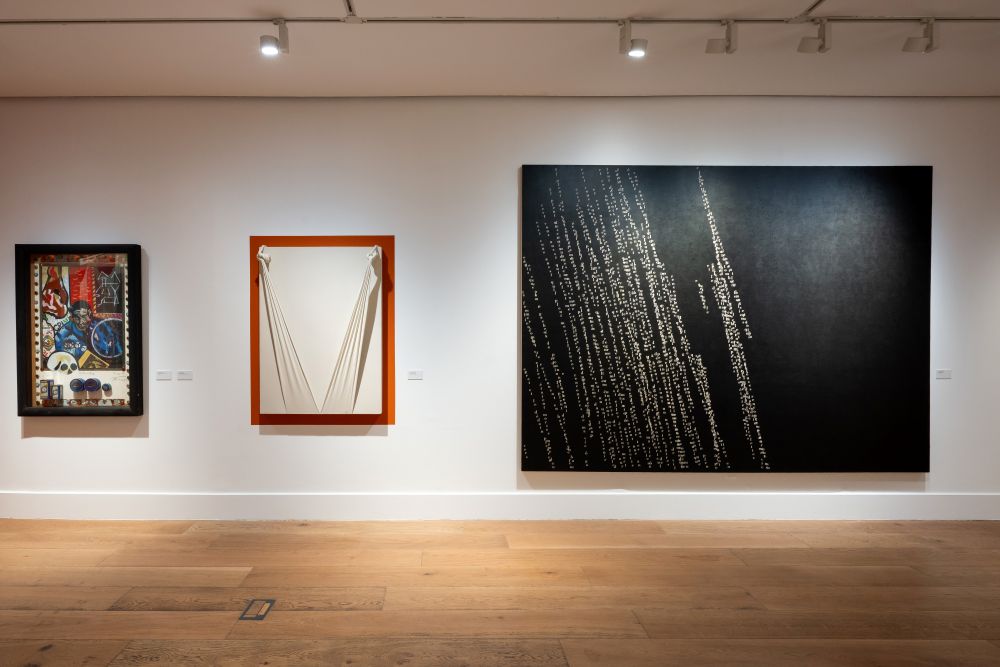
It was day, it was afternoon, it was fantastic. House of Mexico Foundation
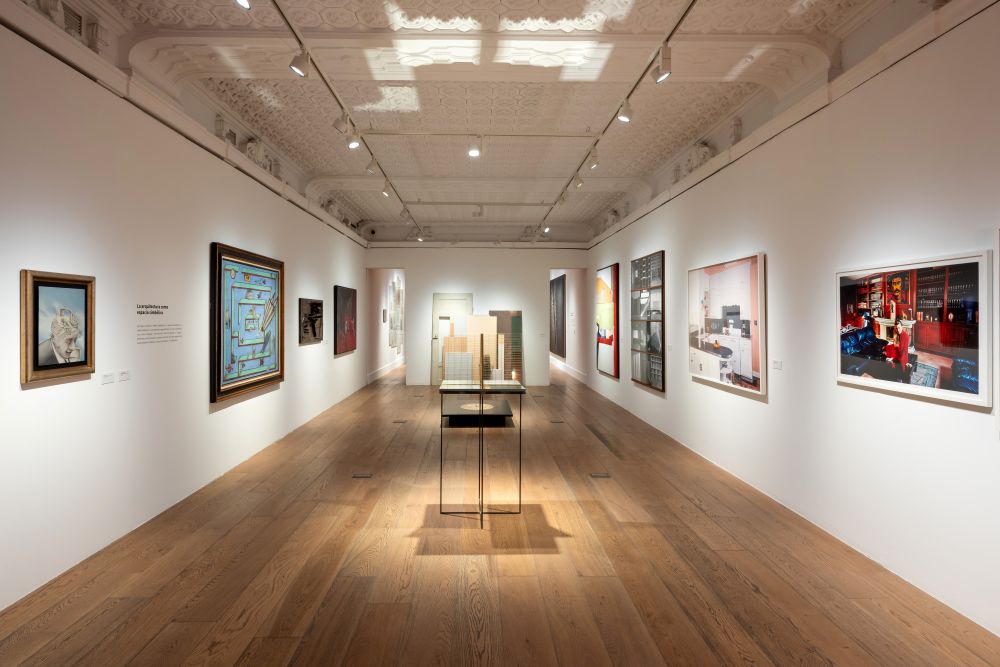
It was day, it was afternoon, it was fantastic. House of Mexico Foundation
“It was day, it was afternoon, it was fantastic”
CASA DE MÉXICO FOUNDATION IN SPAIN
C/ Alberto Aguilera, 20
Madrid
From September 29, 2026 to January 24, 2027