José Manaut Viglietti was born in the Valencian town of Lliria in the key year of 1898 and his belonging to a family with cultural interests and well-connected allowed him to train at the San Carlos School of Fine Arts and, years later, at the Royal Academy of Fine Arts of San Fernando in Madrid.
In the 1920s he would be a pensioner at the National Residence of Landscape Painters, which was located in the Paular Monastery of Rascafría, and then he obtained a scholarship that allowed him to travel to France, Belgium and Holland and expand his knowledge of Impressionism and the rest of the avant-garde (also about Vermeer, Rembrandt and Hals); He lived, in fact, until 1927 in France and was able to star in several exhibitions in the salons of Paris.
Upon his return to Spain, he combined his work as an artist with teaching drawing, theorizing art history, and political activities, until his death in 1971.
Closely linked to Joaquín Sorolla, who had a decisive influence on his working methods, and a disciple of Cecilio Pla, also Valencian and author of an above all diverse work, indebted to Mediterranean light, Manaut is the subject of a retrospective this autumn at the Ibáñez Museum in Olula del Río, in Almería. It has about forty pieces, almost always canvases, but also drawings, engravings and a fan; in some cases unpublished.
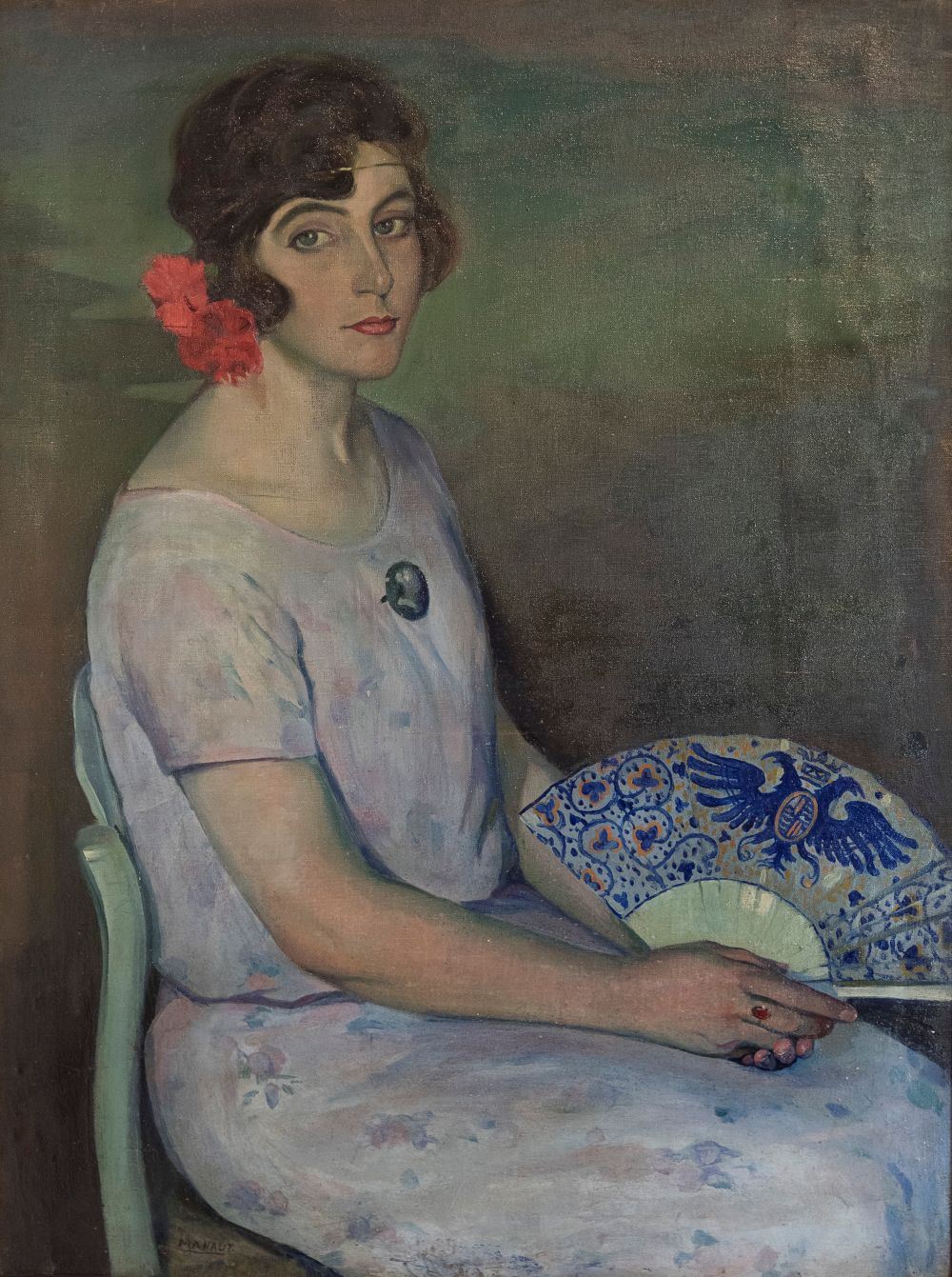
José Manaut. Lita with fan1964. Manaut Foundation Collection
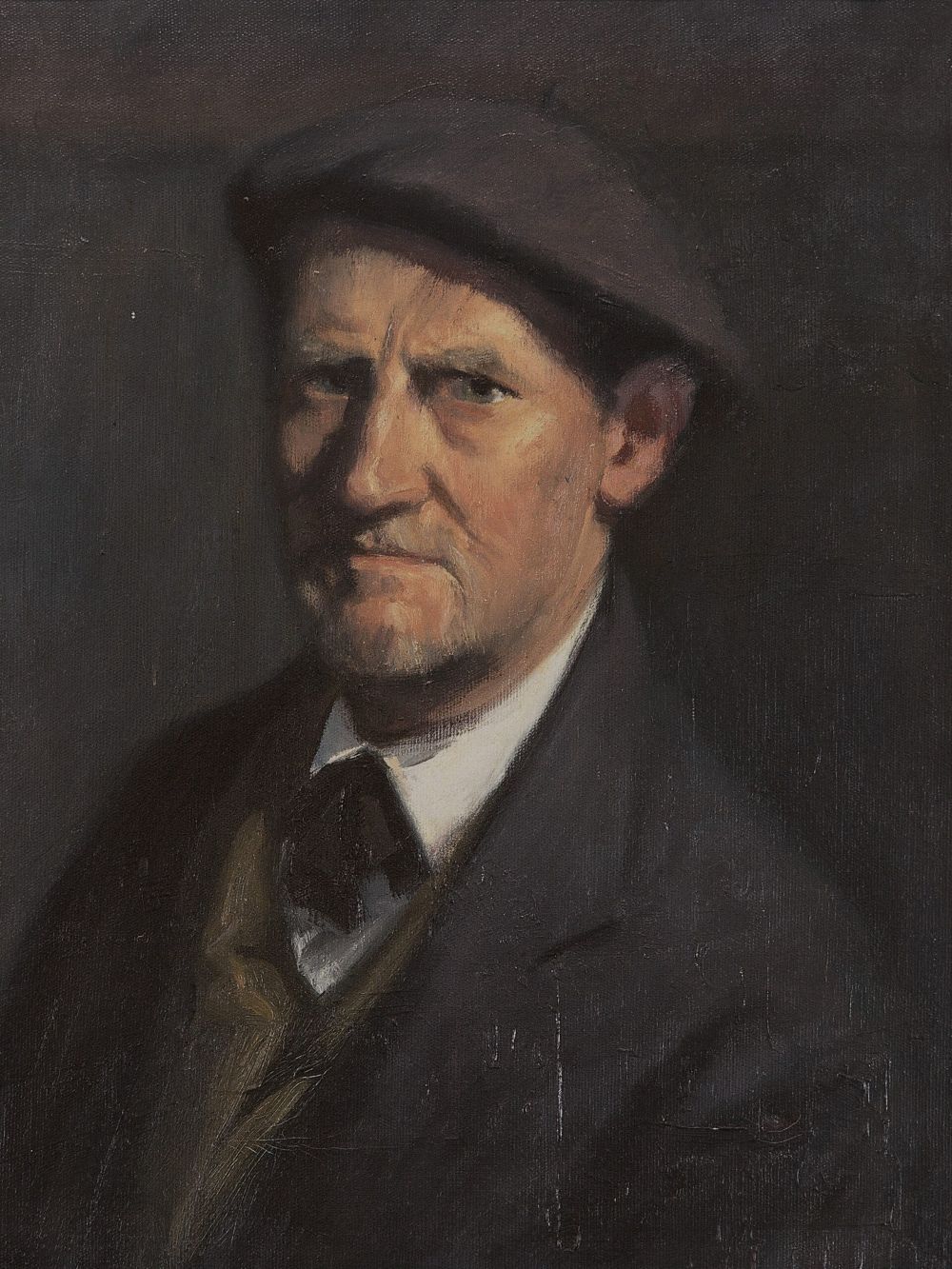
José Manaut. Self-portrait1959. Manaut Foundation Collection
Under the curation of Javier Pérez Rojas and David Gutiérrez Pulido, this anthology invites us to review the keys to his language, his own but determined by his vast knowledge of European painting: rigorous in drawing, sensitive and luminous, attentive to the human figure and also to the Mediterranean landscape.
The two fundamental poles of influence for the Valencian, apart from his international journey, were the Prado Museum and his admired Sorolla. In the art gallery, since his arrival in Madrid in 1919, he made numerous copies of the masters (he also studied El Greco in Toledo). As for Sorolla, he was his teacher in San Fernando and we know that he also received him in his studio and gave him advice that would be very useful; among them, precisely, that of granting vital importance to drawing.
Open to any opportunity to expand his background, Manaut also visited Mariano Benlliure and frequently visited the National Library to analyze works illustrative of Don Quixote and works by Muñoz Degrain, raising comparisons between his production and that of El Greco.
In Paris he would not stop drawing Gallic types, especially women, even on the pages of his notebooks, on loose sheets or small pieces of paper: he quickly captured their impressions and their vision of public spaces, in this case very French, such as gardens, cafes or theaters. Back in our country, one of the towns that interested him the most was Ronda – where he was a teacher, as in Tortosa -; He gave an account of his travels in diaries, where he also wrote interesting descriptions of what he painted.
The Civil War put a brake on his career: a communist militant and freemason, he would be deposed and imprisoned, but after returning to Madrid from his exile in Durango he obtained a position as a teacher at the French Lyceum, then also undertaking an outstanding work as a pedagogue, critic and art historian that led him to travel through the Mediterranean countries and publish various monographs of artists, one of them on the author of sad inheritance. He also studied in depth Greco-Roman painting, Caravaggio and Ribera.
The exhibition can be visited until November 29 and for its tour significant works from each of Manaut’s stages have been chosen: we will see his academic drawing of the Victory of Samothracecanvases made in Valencia or Paular with an impressionist imprint, portraits and studies from his Parisian phase, landscapes and everyday scenes from the period after the aforementioned Civil War, including several compositions of stormy subjects associated with the war or exile. He also sought to master each of these techniques.
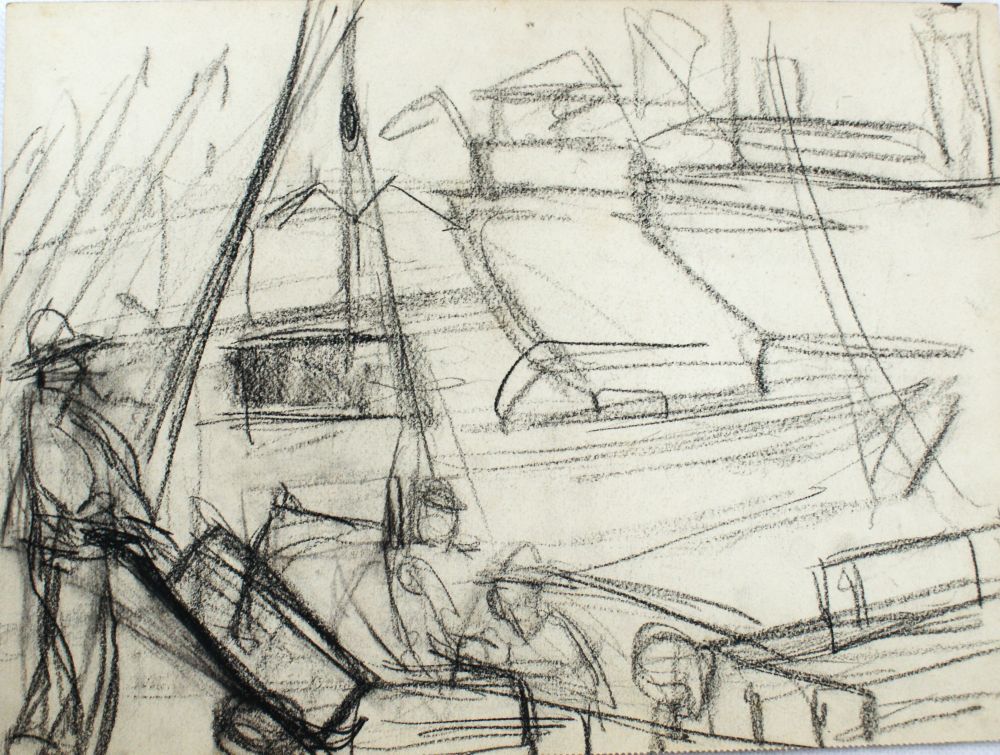
José Manaut. sketch for Banks of the Seinearound 1924-1925. Manaut Foundation Collection
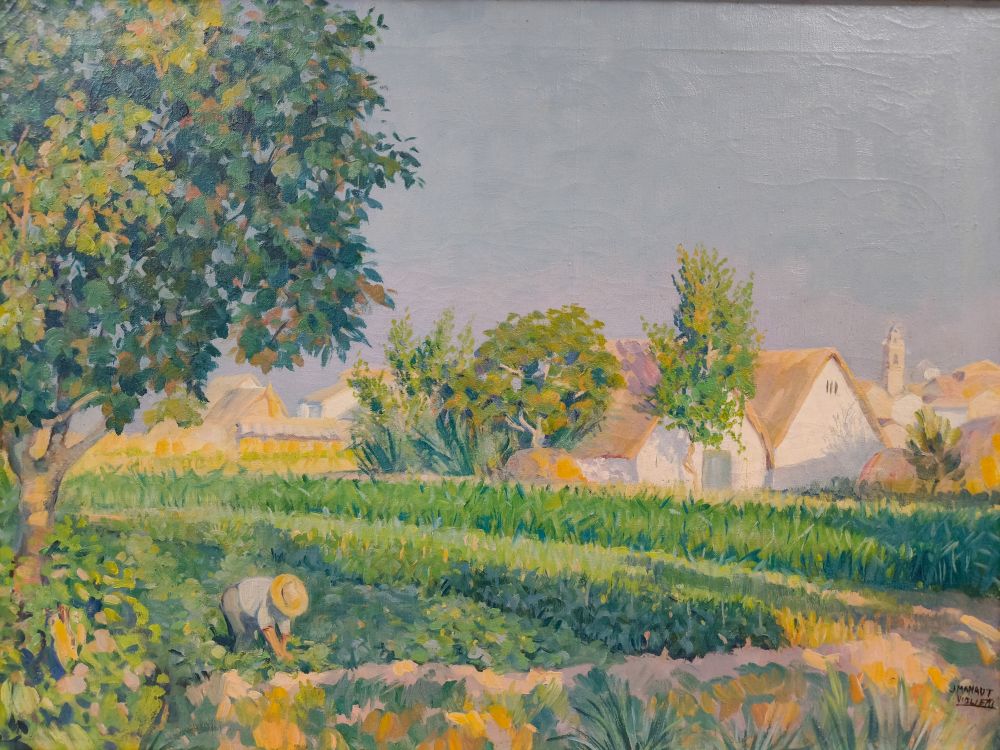
José Manaut. Valencian landscapearound 1920-1923. Sebastián Peris Máñez Collection
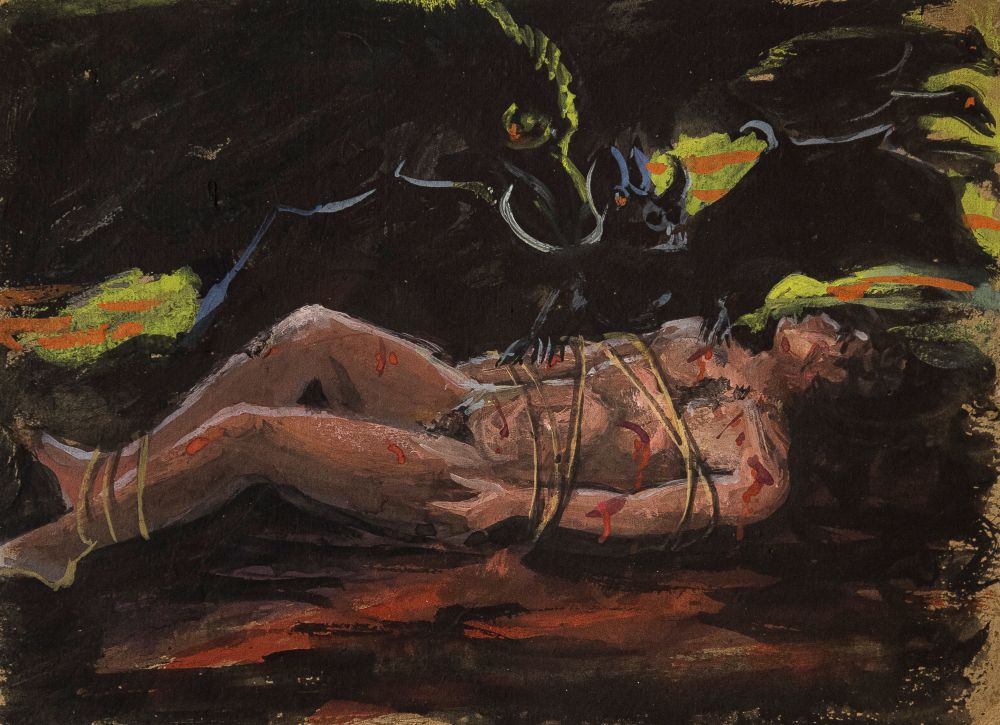
José Manaut. real nightmarearound 1949. Manaut Foundation Collection
«Jose Manaut. From Impressionism to Expressionism»
IBÁÑEZ MUSEUM
C/Museum, 7
Olula del Río, Almeria
From September 12 to November 29, 2026