Madrid,
This morning the Reina Sofía Museum announced the purchases that, with the support of the Ministry of Culture, it has carried out in the current edition of ARCOmadrid. 403,000 euros have been invested in seventeen works by fourteen artists, nine of them women, given the interest of MNCARS in reinforcing its presence in the collections of this institution. Most of the operations have also been carried out in Spanish galleries.
The aim has also been to cover unpublished or little-covered aspects in the Reina Sofía collections, or to complete lines of research that were already being worked on, such as action art and performance, textile art, material conceptual art or relational art.
One of the authors who joins the MNCARS collection is the French Annette Messager, who was given a retrospective at the Palacio de Velázquez del Retiro in 1999. Her work acquired, Voeux avec laineis composed of photographs of details of the female and male body, and is part of his series Voeux monthwhich began in 1988.
The one who was already present in the museum’s collections is La Ribot, a choreographer, dancer and artist from Madrid from whom it has been purchased Nine chichis and a flash (2000), a set of nine framed polaroids purchased at Max Estrella.
Pere Noguera from Girona has won the Reina Sofía with Sapates. First muddy mess, Rellotge i penjador and Televisionall dated 1979), and by Ángel Bados, the sculpture If the sea could be made of gardens (2024), in the path of the current in which that artist began, the New Basque Sculpture of the eighties.
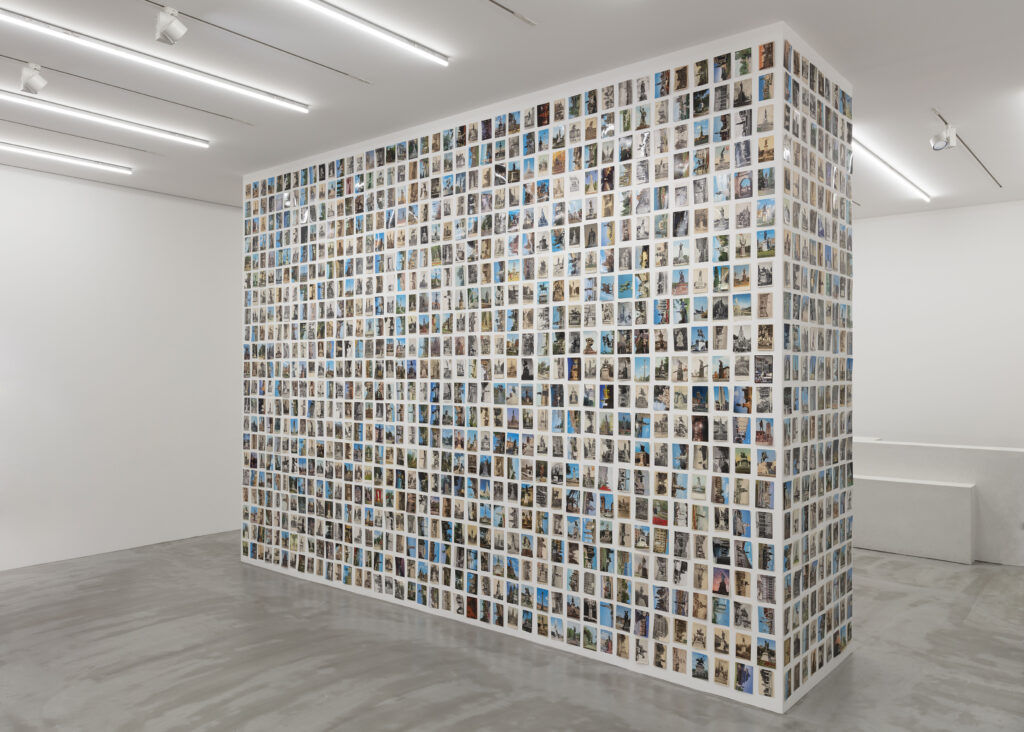
For his part, Oriol Vilanova, the author selected to represent Spain at this year’s Venice Biennale, enters the collections with a large-format installation, mutes (2020), made up of two thousand postcards of monuments with which it analyzes the visual representation of power in public space.
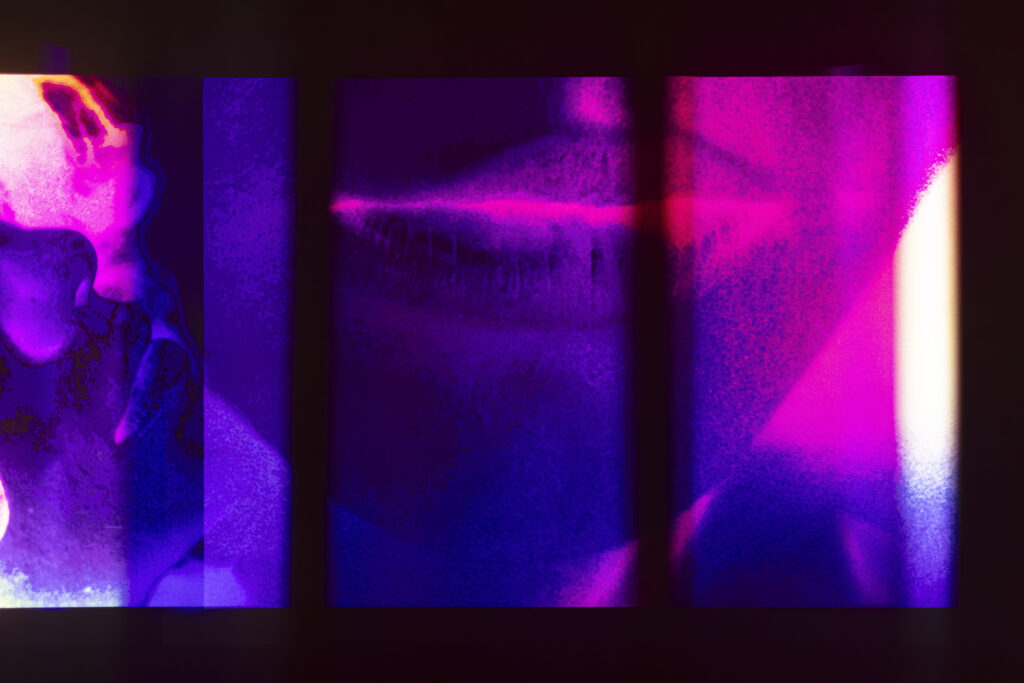
Of the six non-Spanish artists acquired at ARCO, four are of Latin American origin. The work has been acquired from Claudia Andujar, a Swiss documentary photographer based in Berlin. to sonia(1971-2024), a video installation made up of three simultaneous projections linked to the feminist artistic practices of the sixties.
Chilean Ester Chacón joins MNCARS with Mommy (1978), a textile composition that is part of a current of female political and cultural resistance in that country, while the young woman from Lima Venuca Evanán, heir to the artistic expressions of the Sarhua, a community originating from the Peruvian Andes in the Ayacucho region, joins its collections with two works: Duo of rods “llamaq and campona” (2024) and Llamaq and campona (2024).
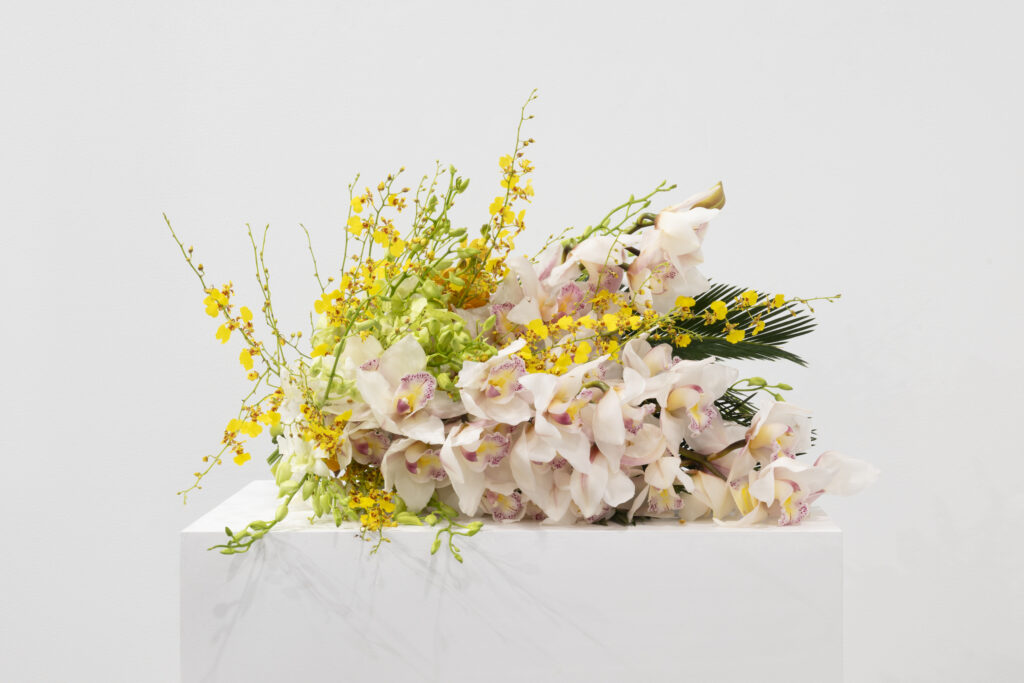
From the Argentine Roberto Jacoby, Reina Sofía has obtained the video Body Art: 15 seconds of fame at the Palladium nightclub (1988), about a participatory collective performance carried out in 1988 at the Palladium nightclub in Buenos Aires; and the French-Canadian Kapwani Kiwanga, whose production studies the power imbalances of the past and present, Flowers for Africaa protocol for the creation and presentation of a floral arrangement representative of those displayed during the official independence ceremonies in Guinea Bissau.
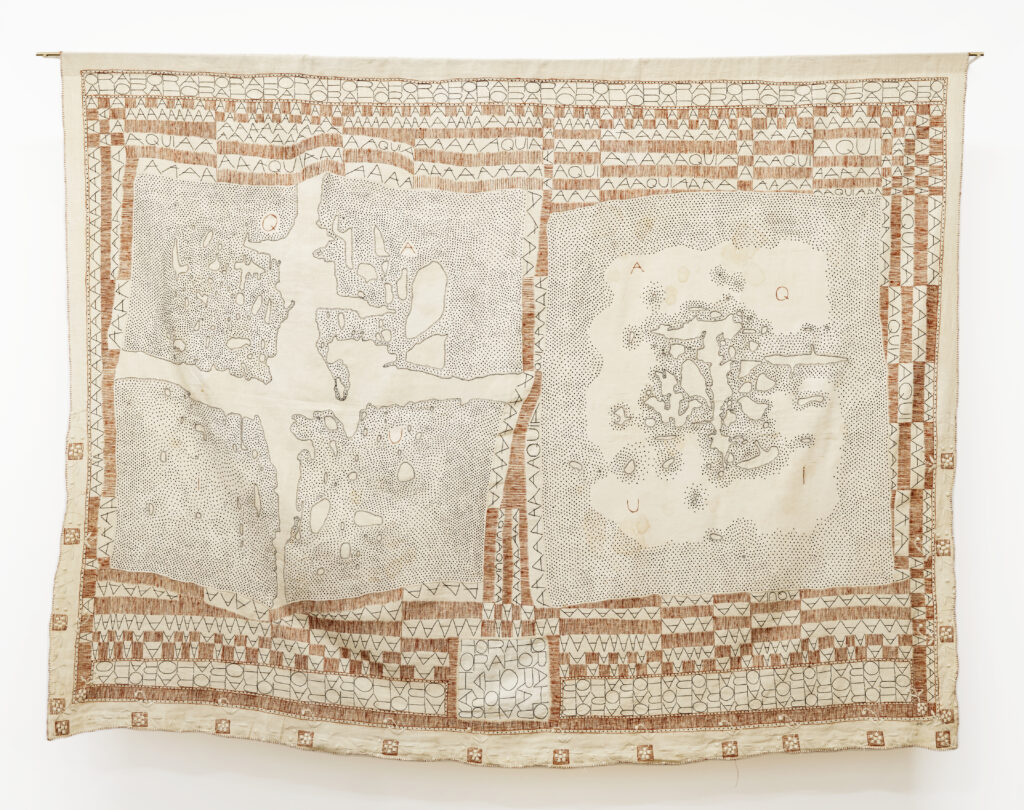
To complete its textile collections of Spanish authors, the MNCARS has purchased the work of Amparo de la Sota Map VI, Here now (2021), embroidered on two torn pillowcases and antique tea-dyed sheets, while Joan Gelabert joins the collections with her Barcelona Triptych (1988), linked to ultracultural movements.
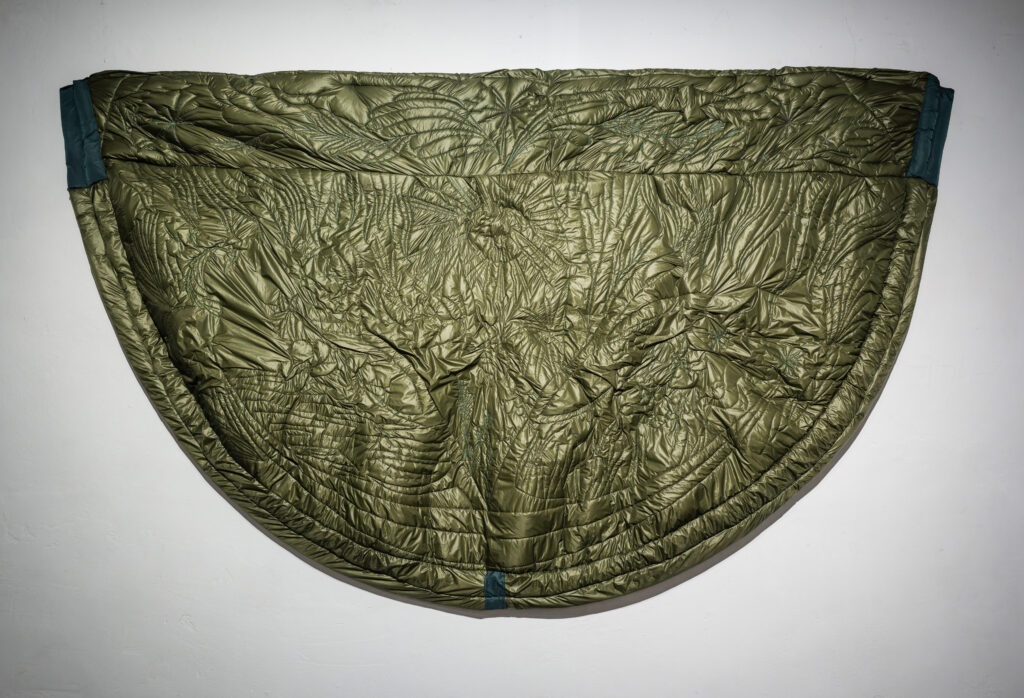
Finally, Ana Laura Aláez has been purchased Dance & Disco (2000-2019), half a dozen photographs on Ilford paper, and the documentary video of the same title (2000), which alludes to the installation that the artist made in Space 1 of the museum in 2000 and which has been identified as a pioneering gesture in the subversion of the traditional logic of the museum institution, and the work was obtained by the young María Alcaide el Reina Cape or mantle for horse (2025), which proposes a rereading of the Andalusian identity from a feminist and ecological approach.