Madrid,
Those of some age and a good memory will remember that, in 1992, the Sorolla Museum paired the Valencian luminist and Anders Zorn, surely the most international Swedish painter of the 19th century, in an exhibition. Neither one nor the other can be considered completely impressionist, for both the management of light, the representation of water and atmospheric effects was fundamental and both experienced international success, but they never escaped their origins.
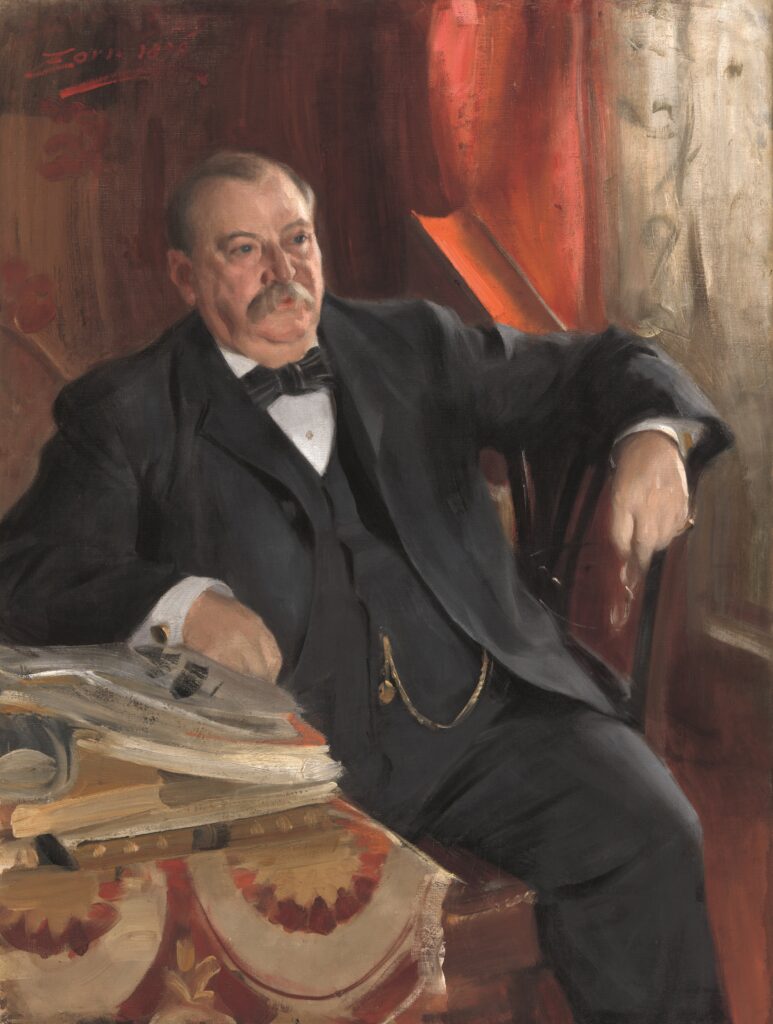
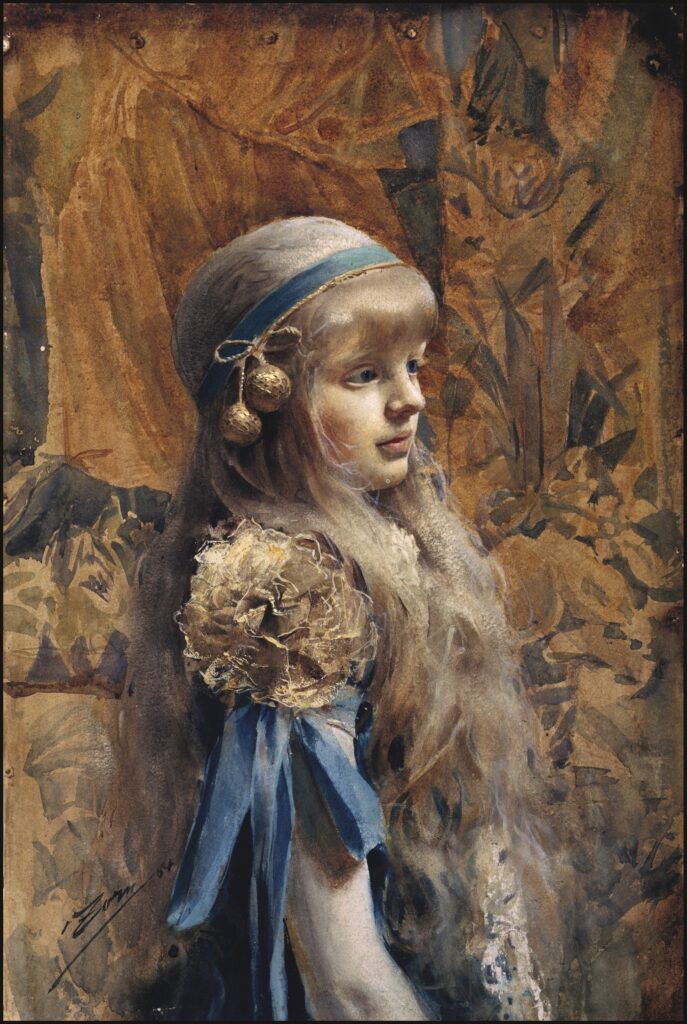
His first complete retrospective in Spain can now be visited at the Mapfre Foundation, it has been organized together with Hamburger Kunsthalle and curated by Casilda Ybarra Satrústegui, and offers a journey halfway between the thematic and the chronological: it focuses on his trips and his returns, his international journeys and his continuous look at his native region of Dalecarlia, known for its popular customs; also to his versatility: a talented portraitist of influential figures – his works dedicated to Grover Cleveland and his wife Frances are superb – he was also an extraordinary painter of landscapes, nudes and everyday scenes linked to Swedish rural life.
Skilled in wood carving and drawing since his childhood, Zorn entered the Academy of Fine Arts in Stockholm with the purpose of training as a sculptor, but during his studies he preferred to turn towards watercolor. Being very young he traveled a lot, also to Spain up to nine times: Velázquez was one of his references, but he maintained contact with the aforementioned Sorolla and with Ramón Casas, to whom he gave compositions.
He moved to our country attracted, in principle, by romantic typisms, and under that prism he portrayed children and women; and in the United Kingdom, where he interacted with the St. Ives artists’ colony, he began painting oil paintings, which favored the capture of light and chromatic effects without artifice in his work.
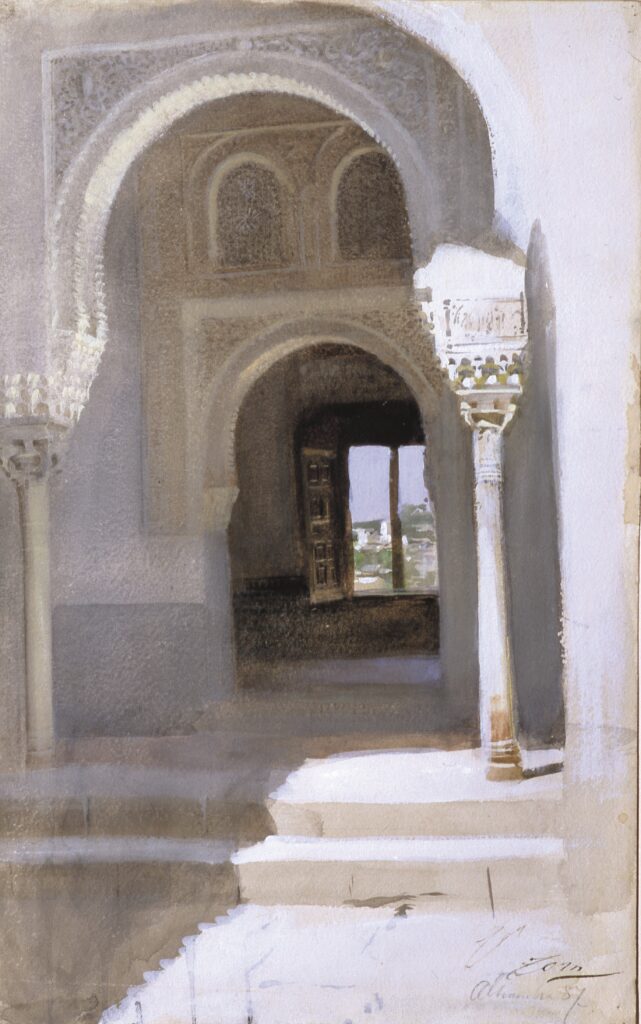
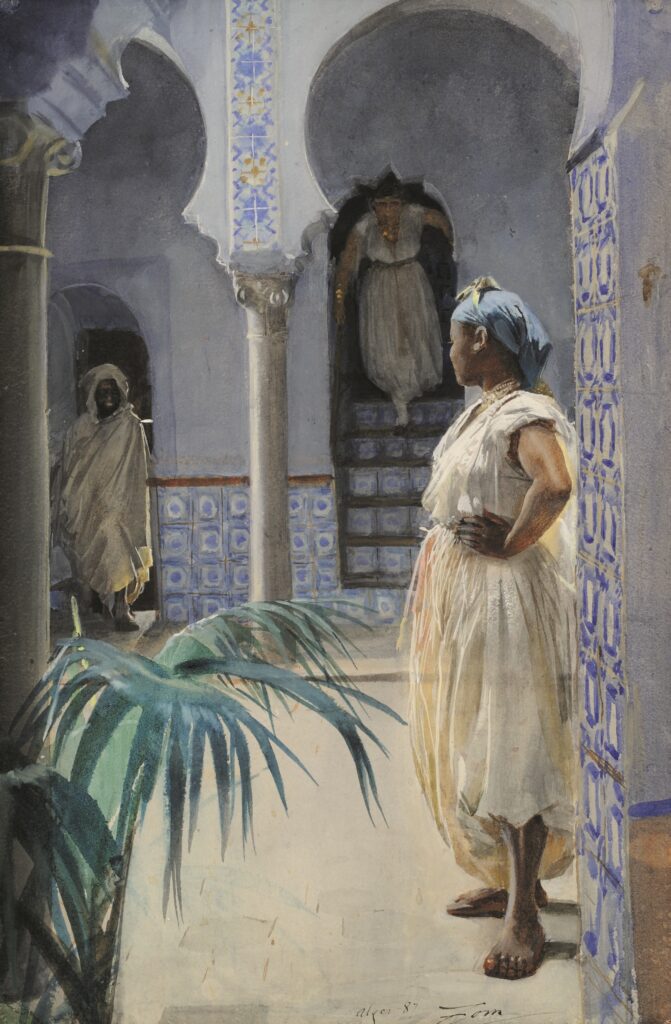
In 1888 he settled in Paris, where he soon achieved success thanks to a style based on a contained palette and lively, diagonal brushstrokes. He stayed there for eight years and starred in a retrospective at the Durand – Ruel gallery, establishing himself as a cosmopolitan author with his portraits of actors or baritones immersed in their professional environments. He obtained the Grand Prix at the International Exhibition of 1900 and the Legion of Honor.
Paris was then a laboratory of modern life and Zorn was seduced by its bustle, but he continued to travel the world: he went to Germany, Russia, Algeria, Latin America and on seven occasions to the United States, where he portrayed some of the important personalities of the turn of the century and established lasting friendships. This artist knew how to move like a fish in water in social environments, he achieved high sales and at the time he was able to embody the American dream of the expression having existed then; His marriage to Emma Lamm, from a wealthy family, and his friendship with Isabella Stewart Gardner, also worked in his favor. His great asset, when it came to pleasing his models, was naturalness: he individualized his subjects and approached them with a spontaneity more accentuated than that of the elegant Sargent. That audacity, in the long run, would not be entirely well interpreted.
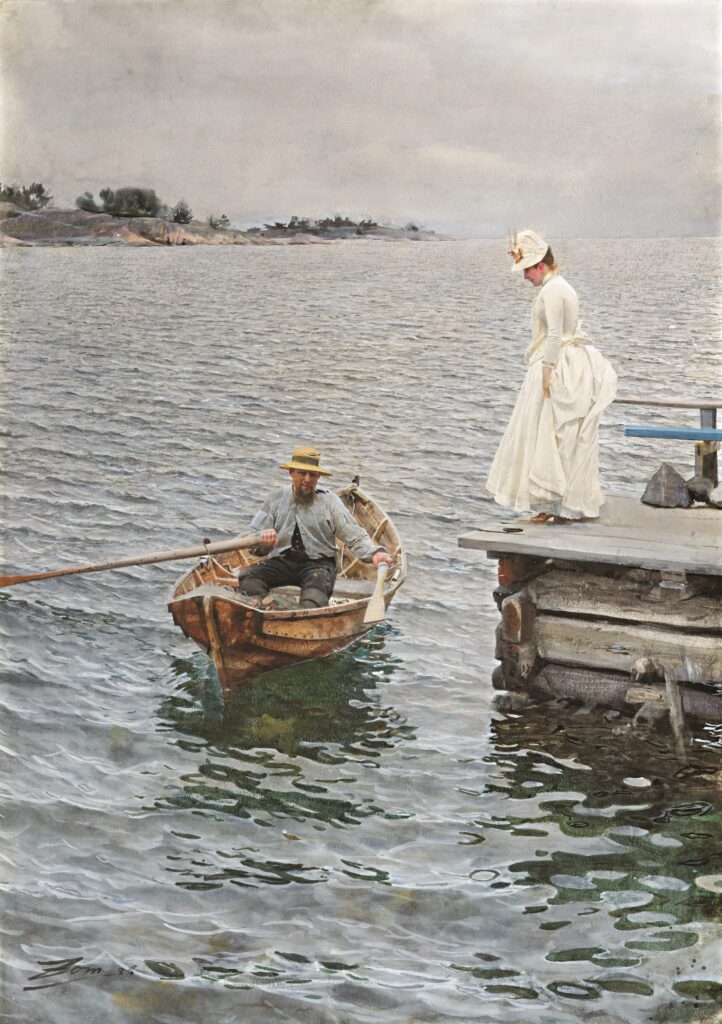
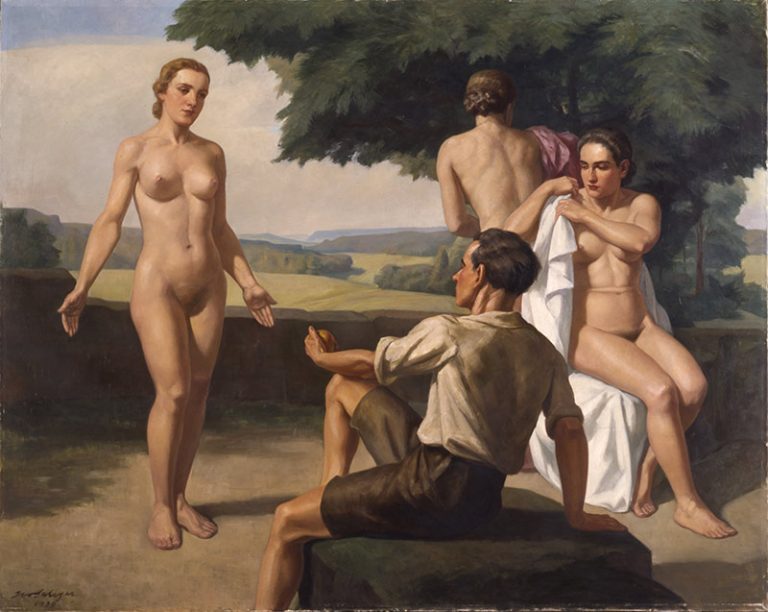
Wherever he found himself, he did not fail to return often to his native province, where he cultivated two of his favorite subjects: landscapes and bathers. She belonged to a generation of Swedish artists who promoted the reconsideration of that country’s landscape and carried out many powerful scenes of customs and traditions, in addition to representing robust female types, quite far from the idealization of academic painting (and close to modern ideals of health, strength and harmony with nature). In some cases he presented intimate and familiar scenes, with once again spontaneous brushstrokes.
He returned permanently to Mora, the town where he was born in 1896: he settled in a large house in the forest, designed by him, where he brought together, as in his painting, the architectural traditions of this place but also the comforts of the modern world. Committed to his neighbors, he organized dance and music competitions, created an open-air museum and a school, collected textiles and donated his production to the Swedish State. Dalecarlia was by then an emblem of rural characteristics in Sweden.
In the last years of his life, his production (oil paintings, sculptures and numerous engravings, as well as watercolors) was largely relegated by the avant-garde, as happened with Raimundo de Madrazo, recently reviewed at the foundation. Its rediscovery, a few decades ago, revealed to us an author who, the further he traveled, the more deeply he remained rooted in his land; a peasant gentleman.
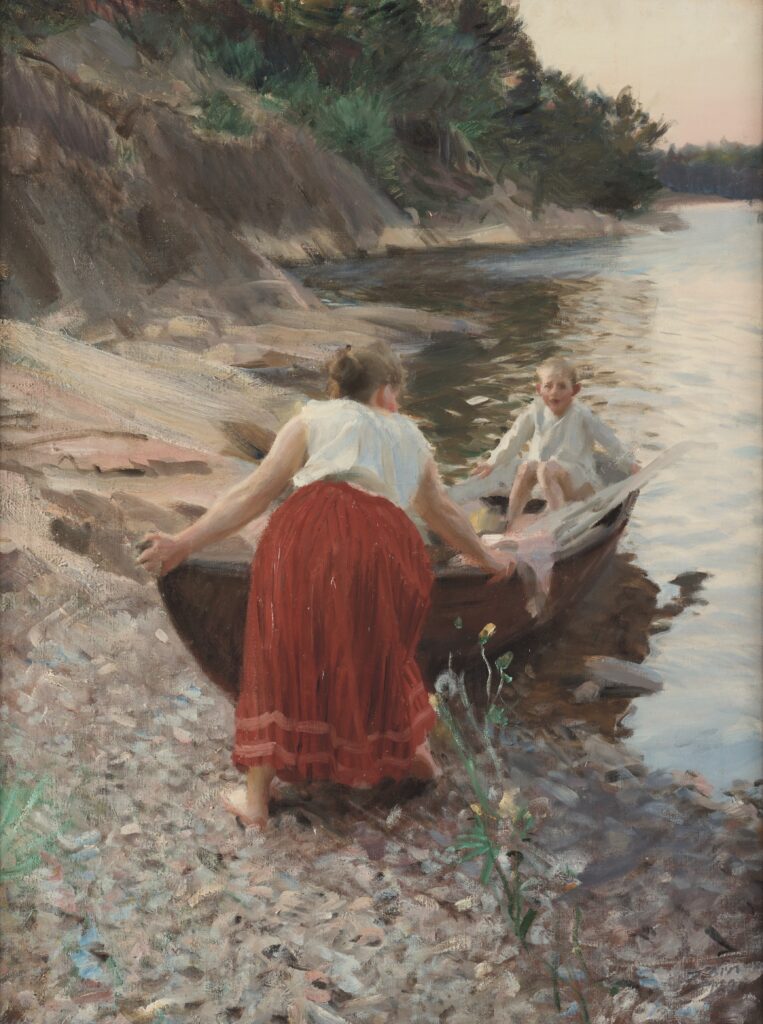
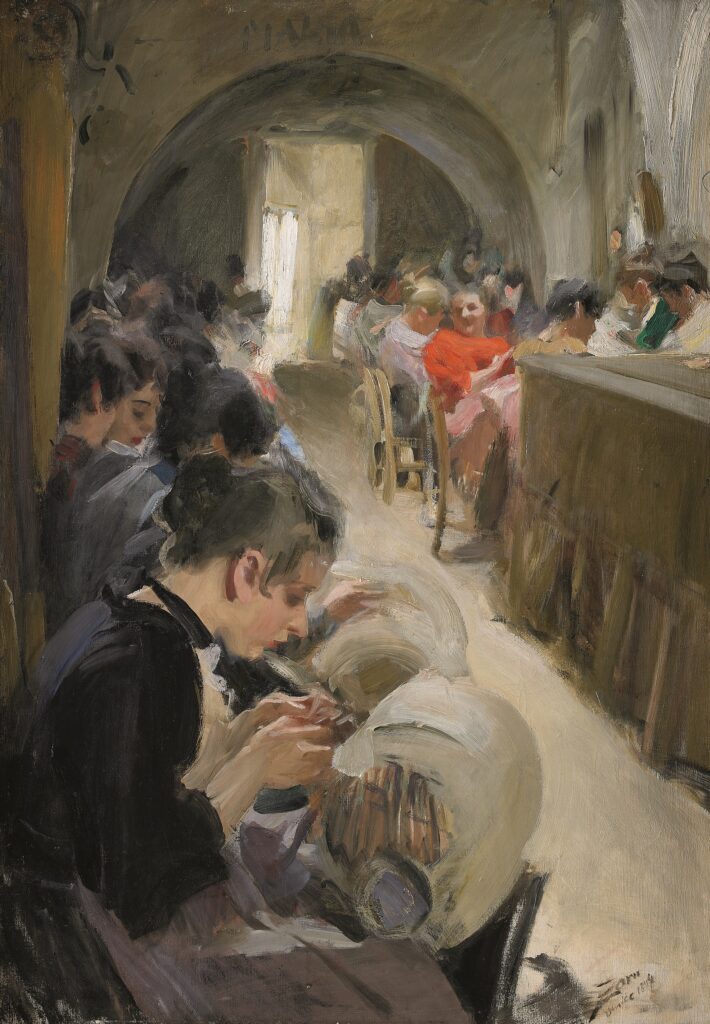
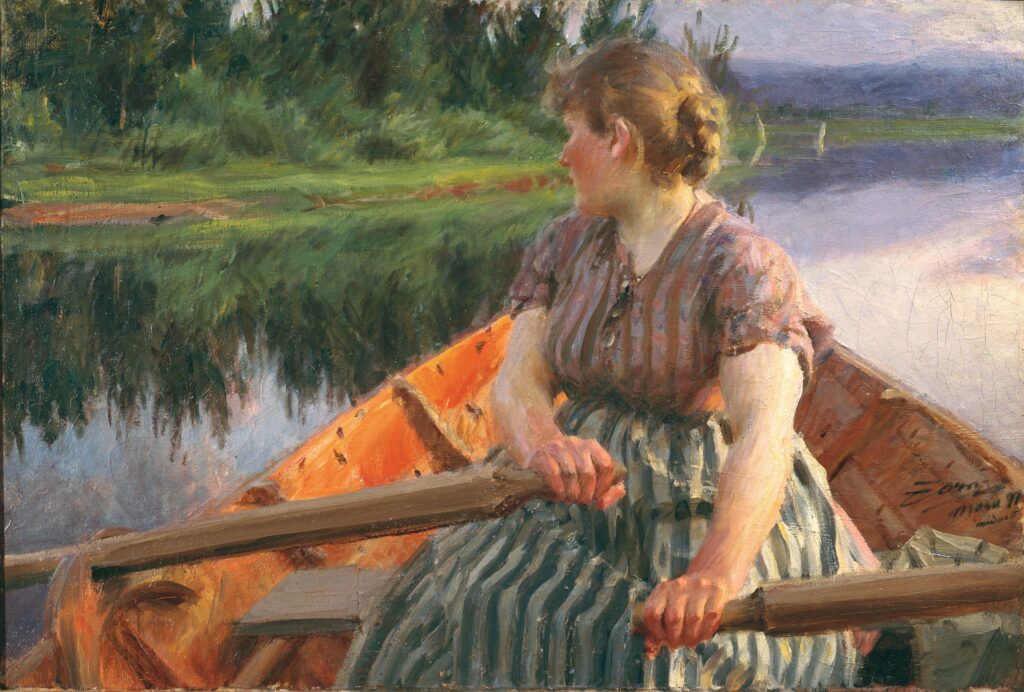
Anders Zorn. “Travel the world, remember the land”
MAPFRE FOUNDATION
Paseo de Recoletos, 23
Madrid
From February 19 to May 17, 2026