Europe. The wave of thefts hitting European museums is not slowing down. This summer, there was a succession of heists: very brief operations, targeting objects that were easy to take away and, often, to denature to recover the material.
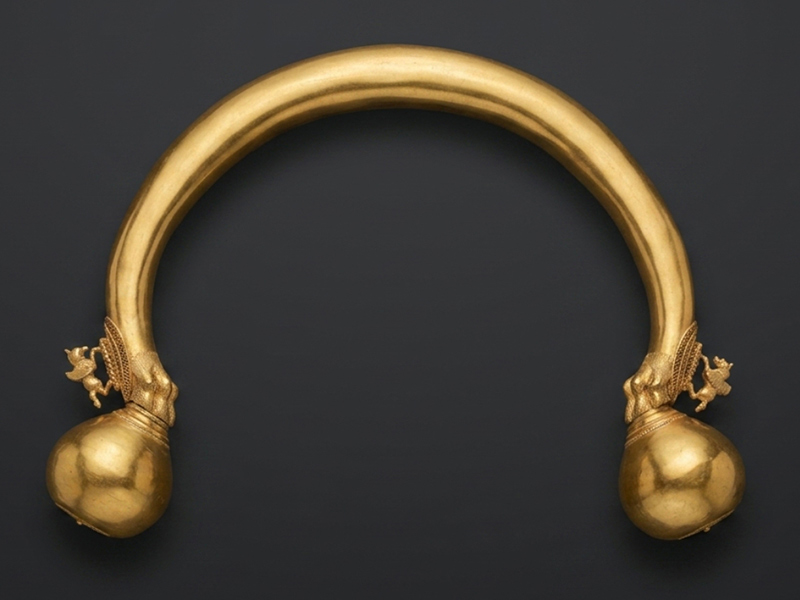
On the night of June 30 to July 1, the Montans Archaeological Center (Tarn) lost 37 aurei gold Romans, taken in less than fifteen minutes. On July 5, three hooded men broke six windows at the Lalique Museum, in Wingen-sur-Moder (in Alsace), and left eleven minutes later with 27 jewels estimated at 4.5 million euros. On July 24, two false visitors broke the window protecting the Torque of the Lady of Vixmade up of nearly 480 grams of pure gold, which they carry away in four minutes. Three days later, in Albacete in Spain, four men stole around 220 gold coins in less than two minutes.
The Montans treasure stolen from the Archaeological Center on the night of June 30, 2026.
© François Pons / Occitanie Musées
Main target: jewelry
On the night of August 5 to 6, the Jacques-Chirac Museum in Sarran was robbed again; among the stolen objects was the jersey worn by Zinédine Zidane during the 1998 World Cup. On August 9, four men seized several historic clocks from the Watchmaking Museum in Le Locle, in Switzerland, in less than five minutes. On August 15, in Messina (Sicily), thieves took three panels from the Polyptych of San Gregorio by Antonello da Messina and a small two-sided painting.
On August 27, two new heists confirmed the type of objects coveted. In Villena, Spain, hooded men seized in less than four minutes most of a Bronze Age treasure, including several kilos of gold and worth around 5 million euros. The same day, at the MAK in Vienna, two visitors smashed a window and stole the necklace of Queen Nazli of Egypt, set with 673 diamonds and sold for $4.3 million in 2015.
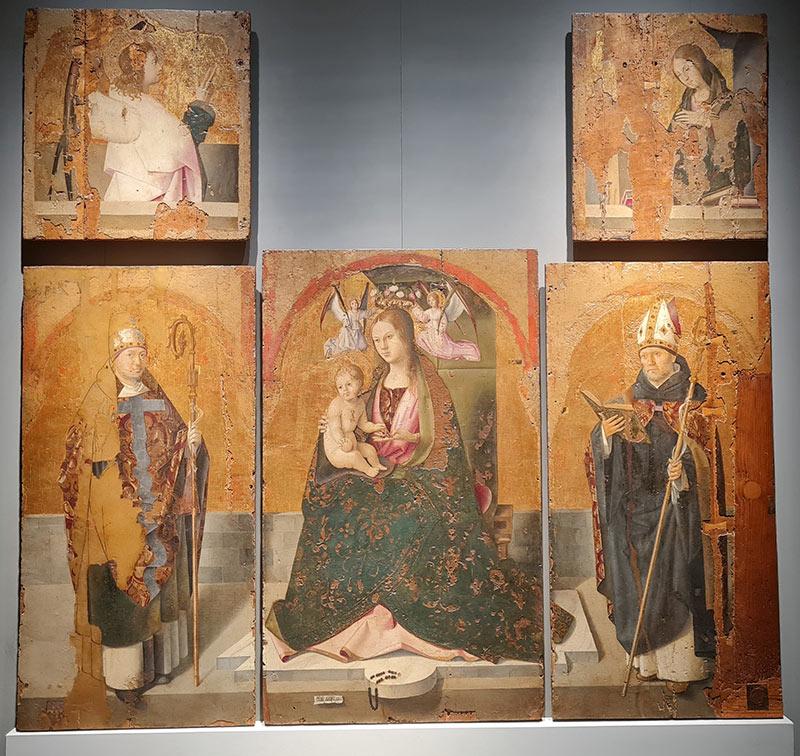
Antonello of Messina (1430-1479), Polyptych of Saint Gregory1473, tempera on wood.
Apart from the panels of Antonello de Messina, the targets are therefore small, immediately transportable and, for many, made of gold, platinum or precious stones. Their notoriety can prevent their resale as is, but not their dismantling or melting. Europol warned precisely this summer about this development: the rise in the price of precious metals is giving rise to crime more interested in the value of the material than that of the work.
In France, this series gives particular emphasis to the security plan presented at the end of July by Catherine Pgard. Its 33 measures include the mapping of the most vulnerable establishments, the temporary sheltering of the most exposed objects, the strengthening of diagnostics, training and links with the police and gendarmerie, as well as increased monitoring of the proofing and marking of works. The safety fund of 30 million euros over three years must finance priority works. The ministry’s security, safety and audit mission must be strengthened and increase visits to establishments.
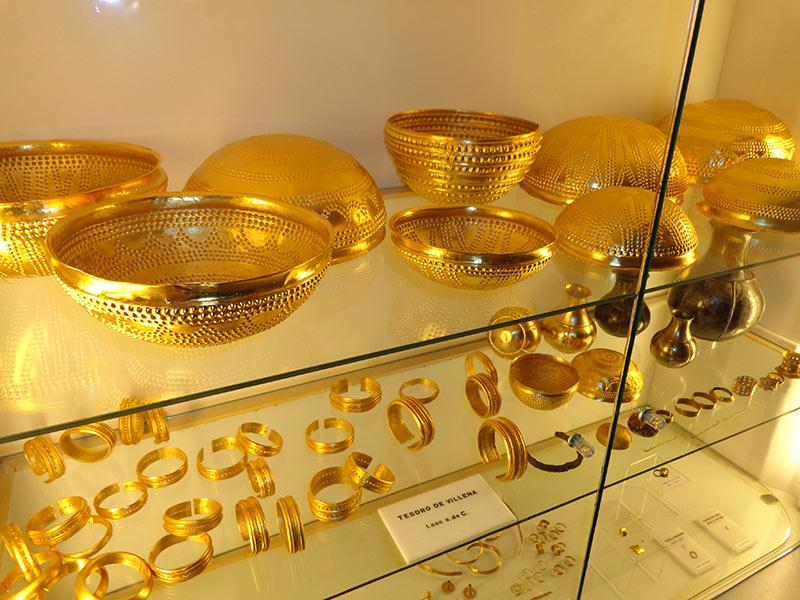
Villena’s treasure.