Madrid,
Mexican resident in Barcelona, Erick Beltrán (1974) has focused his work on the investigation of the structures of thought systems, especially those linked to the construction of discourses of power and their links with publishing.
He works with diagrams, files and information obtained from the media to explore the images on which the political, as well as economic and cultural, messages of our time are based, delving into how they are classified, reproduced and distributed. Sometimes, Beltrán catalogs; Other times, it finds links between seemingly disparate and random materials.
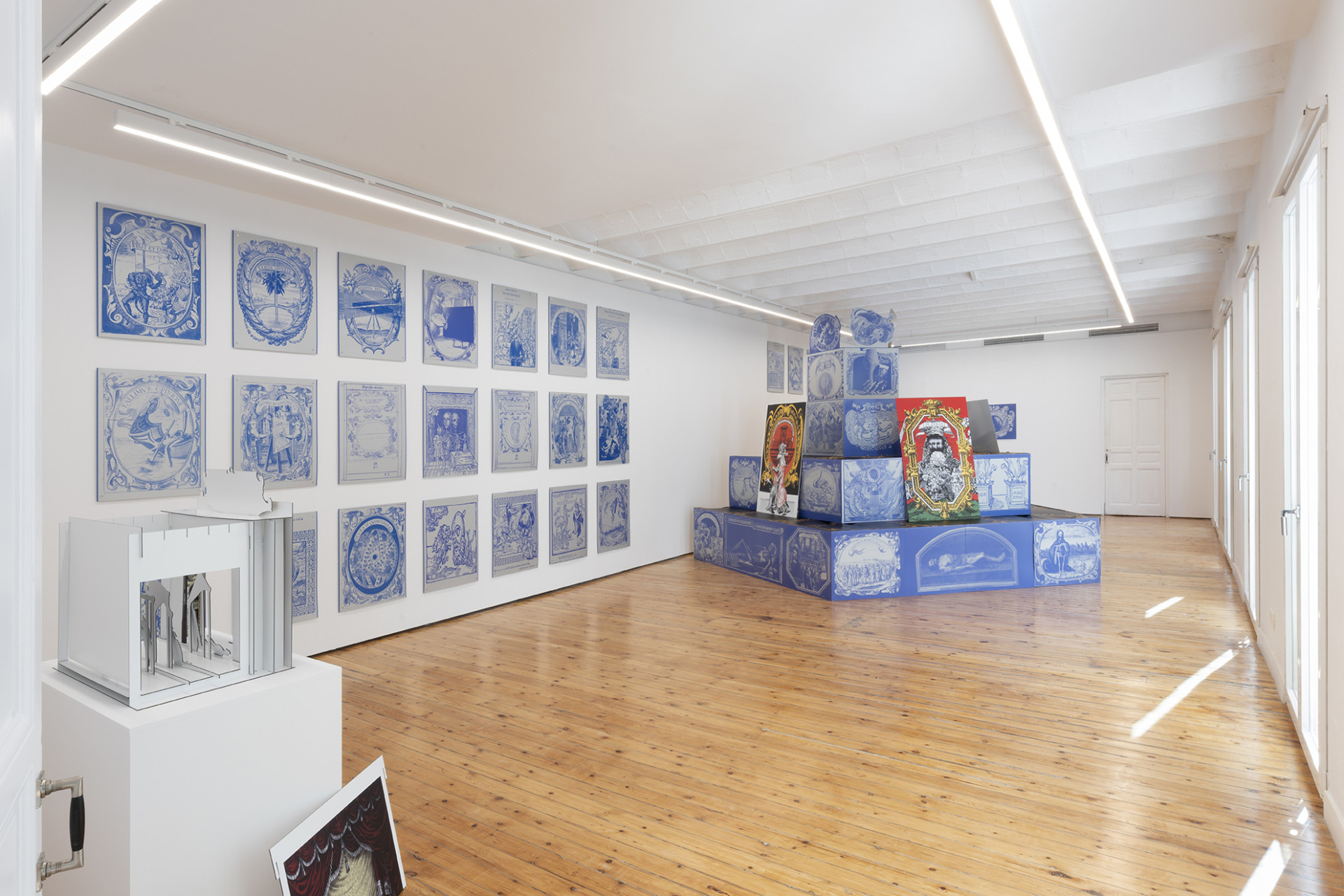
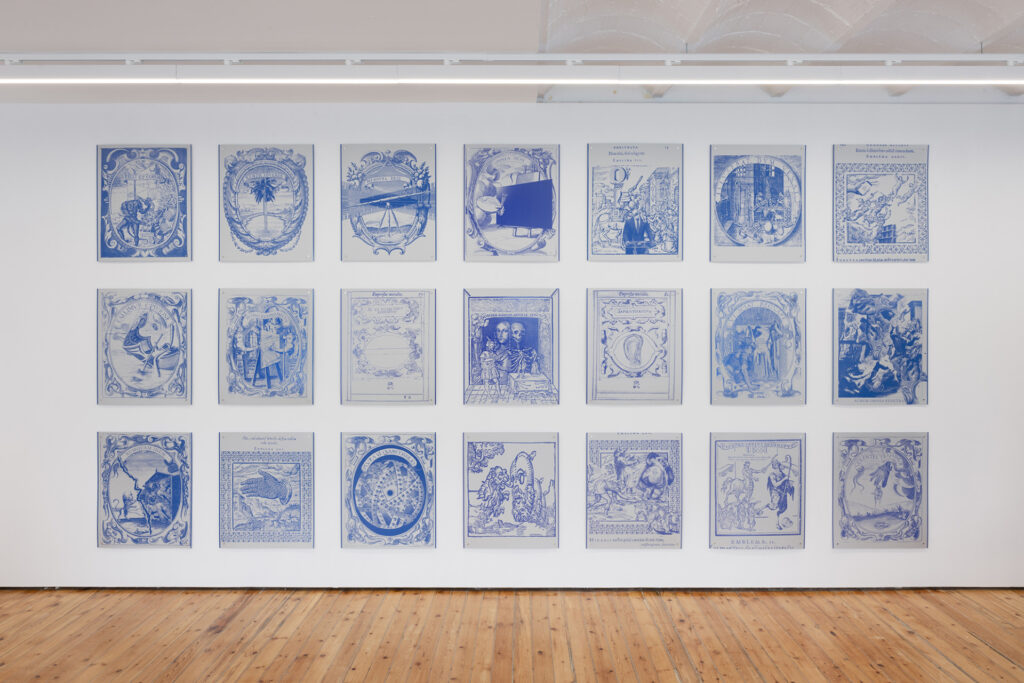
Until next April 18, the artist exhibits his most recent project at the Madrid headquarters of Prats Nogueras Blanchard: “What is present.” This time he has looked for traces in our days of baroque iconography, particularly that displayed in the emblems that appear in the epistles of good government or in funerary monuments. He has paid special attention to the figures that today form part of the collective imagination and the metaphors associated with authority.
His proposal puts on the table that, if supports and modes of distribution have evolved widely, there are notions, ways and psychologies linked to life in society that have not done so much. In the letters (epistles) addressed to princes or kings since the 16th century, which contain advice and warnings about ways of governing, Beltrán has found questions about moral, political and philosophical conventions and, therefore, the opportunity to reflect on what is and is not fair and susceptible to control, on the distances between the individual and the State and the thousand enigmas in which to delve from these letters and these timeless issues. Not exempt, much less in the Baroque but not afterwards, from traps and mirages.
It has also been nourished by companies: visual riddles that do not offer explanations, but rather clues. These are symbolic representations of intentions formed by an image and a related motto; a priori, its content may be simple, but it rarely is. They capture ideas and point out others that provide us with relevant information about how dominant ideologies are established and what forms they take visually.
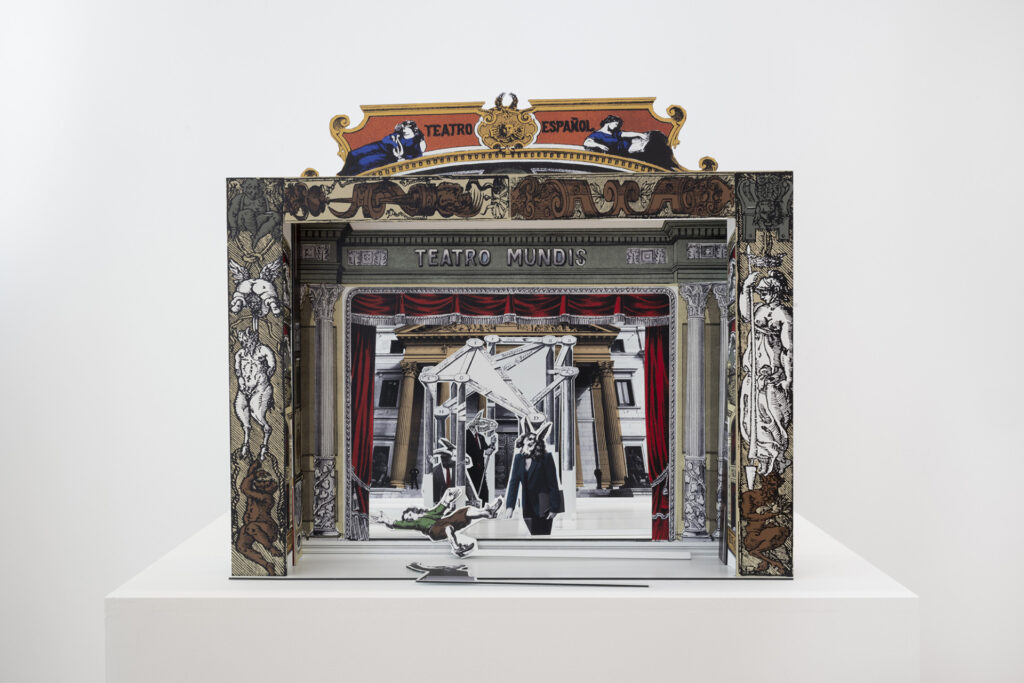
Another of Beltrán’s sources has been the examination of the multitudinous royal funerals of the 17th century and the consideration given then to the soul of the deceased. The pomp and circumstance with which these ceremonies were celebrated reflected what the world theater of the moment and its hierarchies and symbolisms. The presence of catafalques was common, on which the Mexican has often worked: we are referring to ephemeral architectures that summarized the aforementioned emblems and companies.
The images of the past and the review of the current mechanisms of power to become visible have led Beltrán to question how the individual was perceived, yesterday and today. Faced with its indissoluble link with the community three centuries ago, in our time we do not understand the subject without its free will regarding objects, places and people; For the artist, when man stops placing himself in the center, his environment becomes unstable for him, incomprehensible and ungovernable.
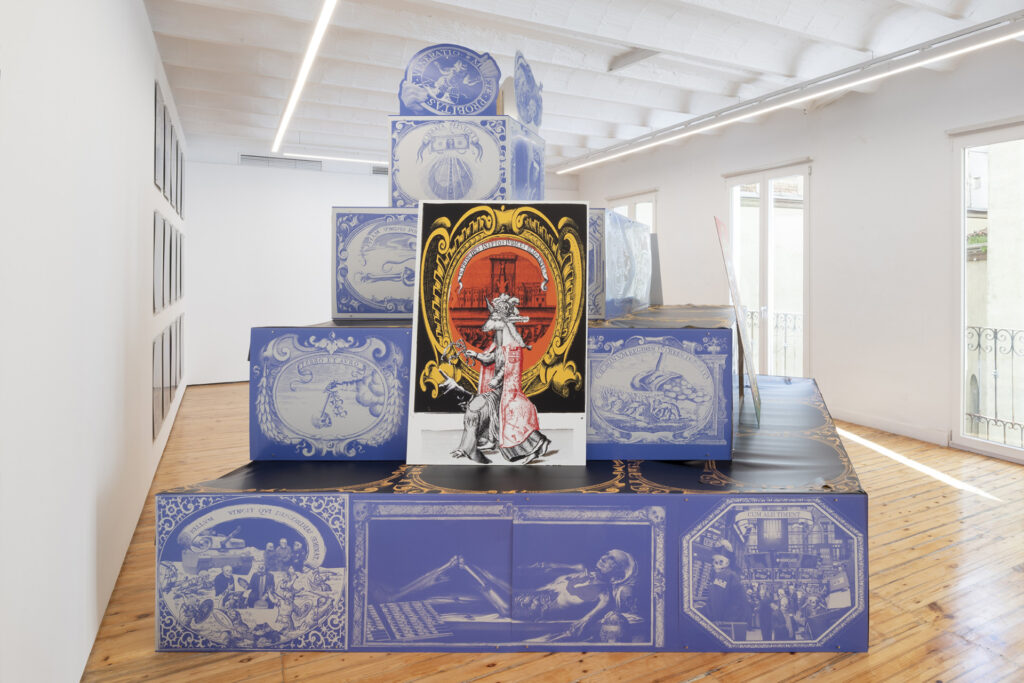
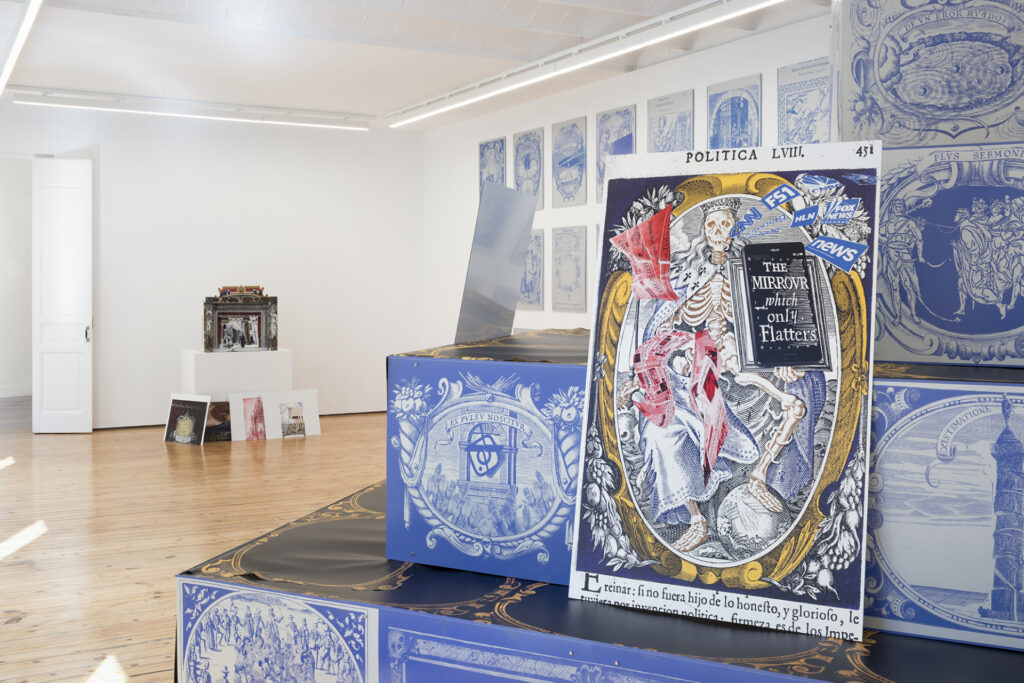
Erick Beltran. “What is present”
PRATS NOGUERAS BLANCHARD
C/ Beneficiencia, 18B
Madrid
From February 18 to April 18, 2026