Madrid,
After passing through Zaragoza, last February the exhibition “Soñar el Espacio” landed in Madrid, in the first room of the Conde Duque Cultural Center, organized by the Ibercaja Foundation to culminate the commemorative program for the centenary of Eduardo Chillida. The tour consists of a hundred pieces representative of the artist’s production and his search for balance and communion with nature and the world: it is about twenty sculptures in different materials and works on paper.
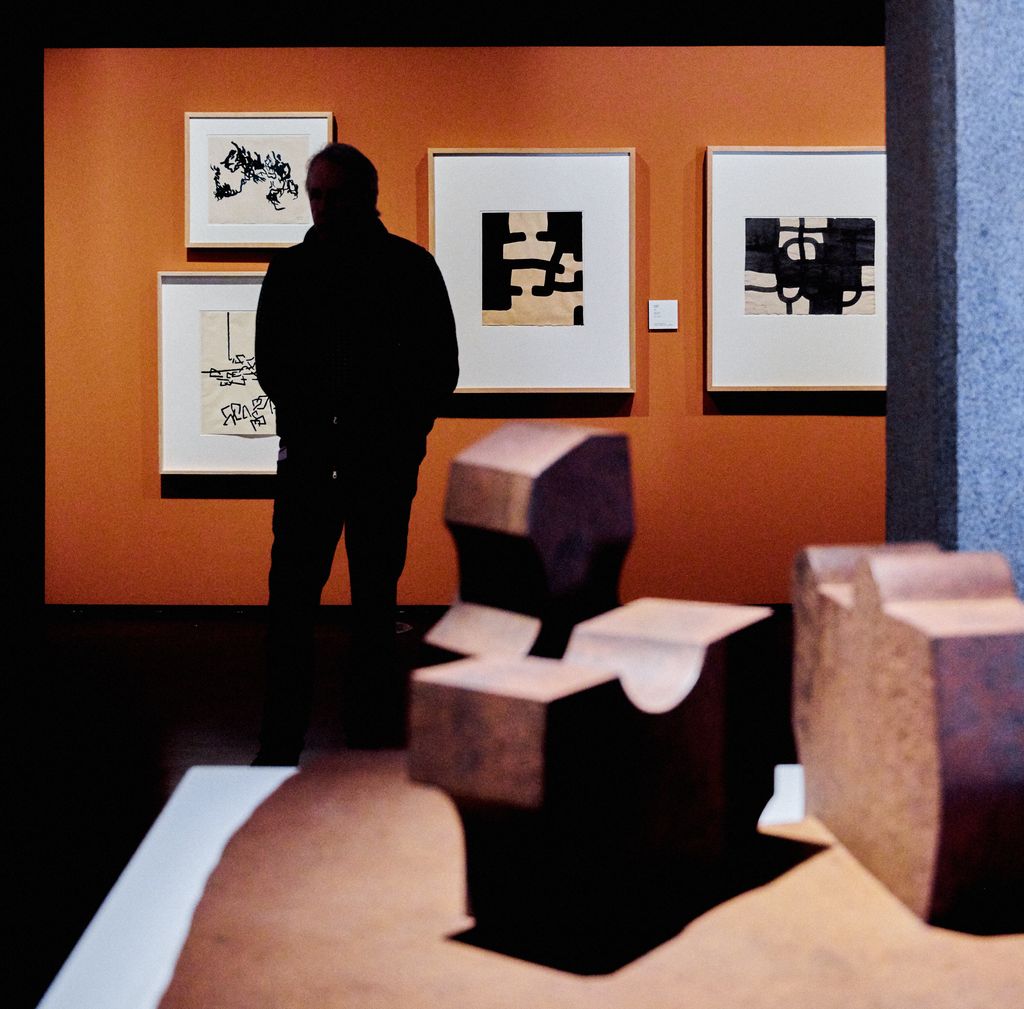
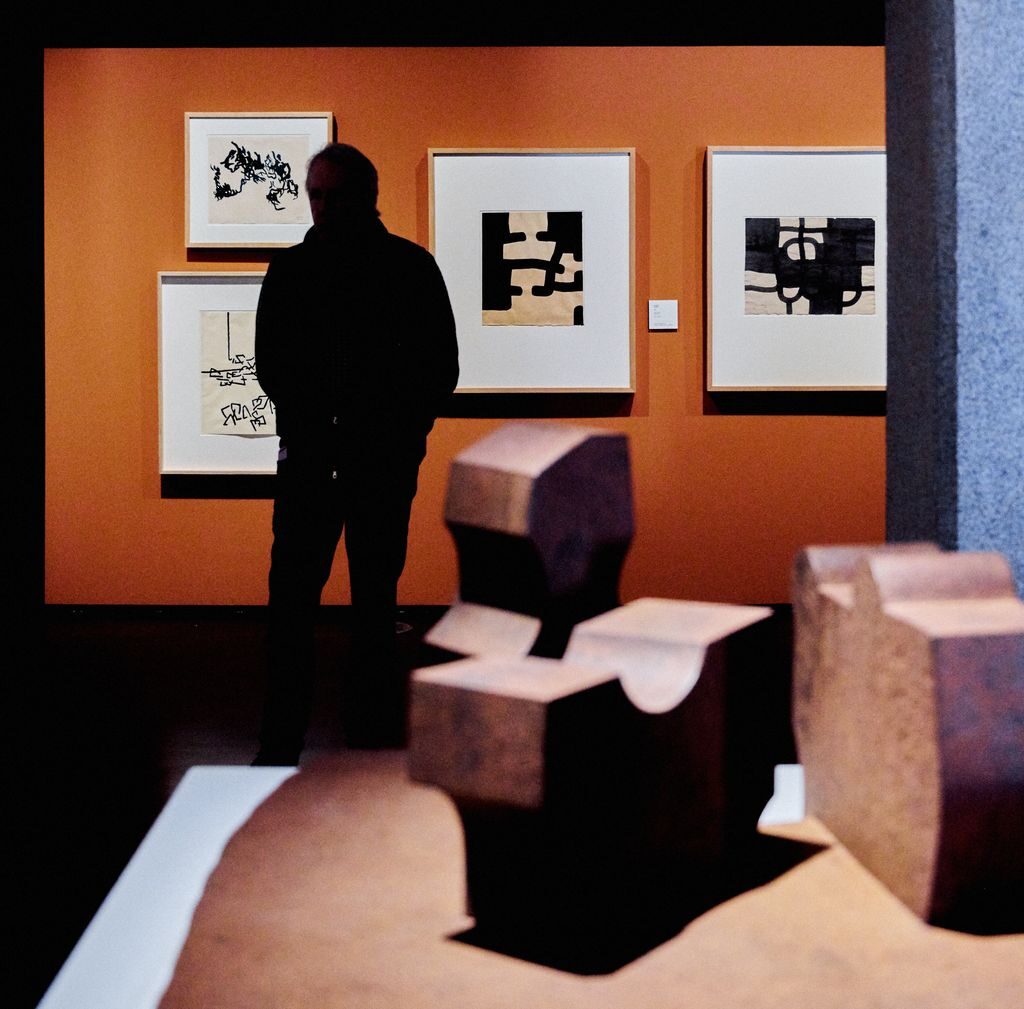
The assembly of the former has been designed to encourage the viewer’s approach, and these works reflect the diversity of elements that Chillida modeled: from plaster (Shape) to alabaster (The deep is the air XXI), passing through wrought iron (Project for Monument to Tolerance, Topos, The deep is the air, Stela V either Praise to the horizon), reinforced concrete or chamotte earth, present in its famous Lurrakcompact and solid blocks of clay that this author barely handled and that offer different tones depending on the time they remained consolidating in the wood oven.
The smaller compositions allow a more intimate and direct relationship with the visitor; The largest, up to two meters high, connect powerfully with the architecture and the environment: Chillida wanted to investigate, from them and their cavities, the management of light and space. In these creations, the materials seem capable of expressing themselves; Sometimes they give rise to a sensation of spectacularity, even regardless of their dimensions.
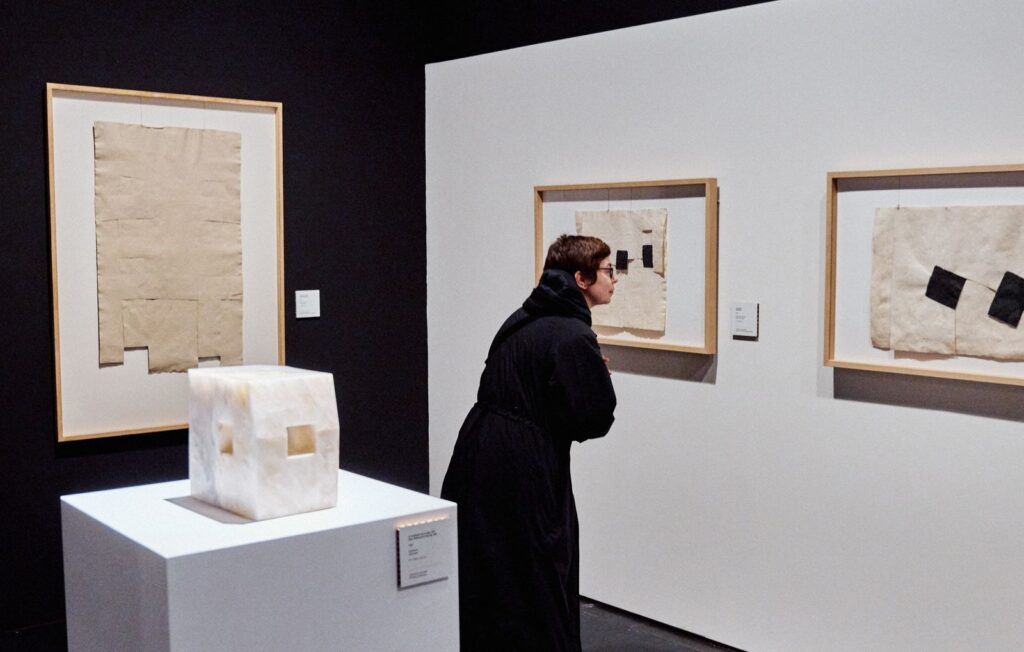
Chillida himself defined himself as architect of the void; His attention to it is very evident in the alabaster works: solid forms with carved windows through which light penetrates. The diffuse lighting that makes its way into this provocative gap directs the attention of those who look towards the carved space and articulates an evident contrast with the solidity of the form that surrounds it. For the artist, in short, space and air were as important as the stone itself.
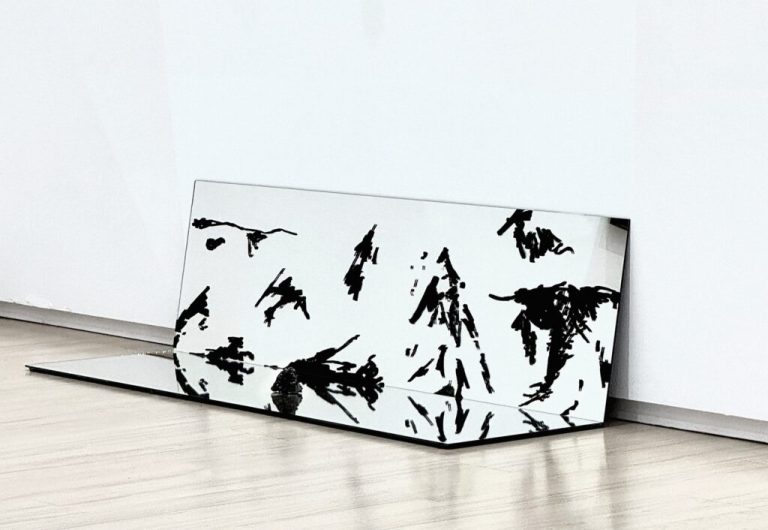
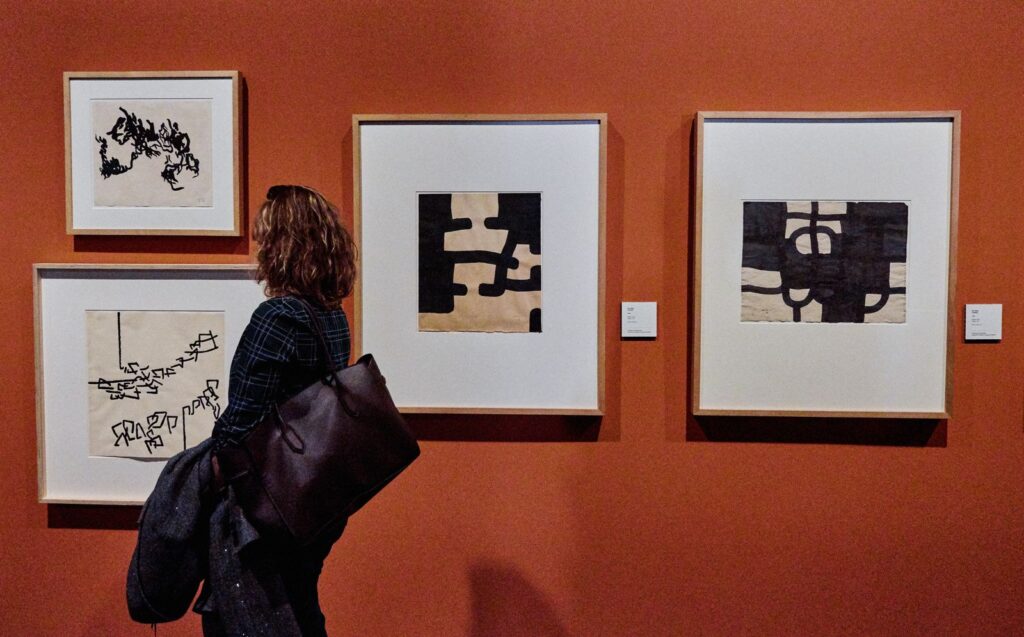
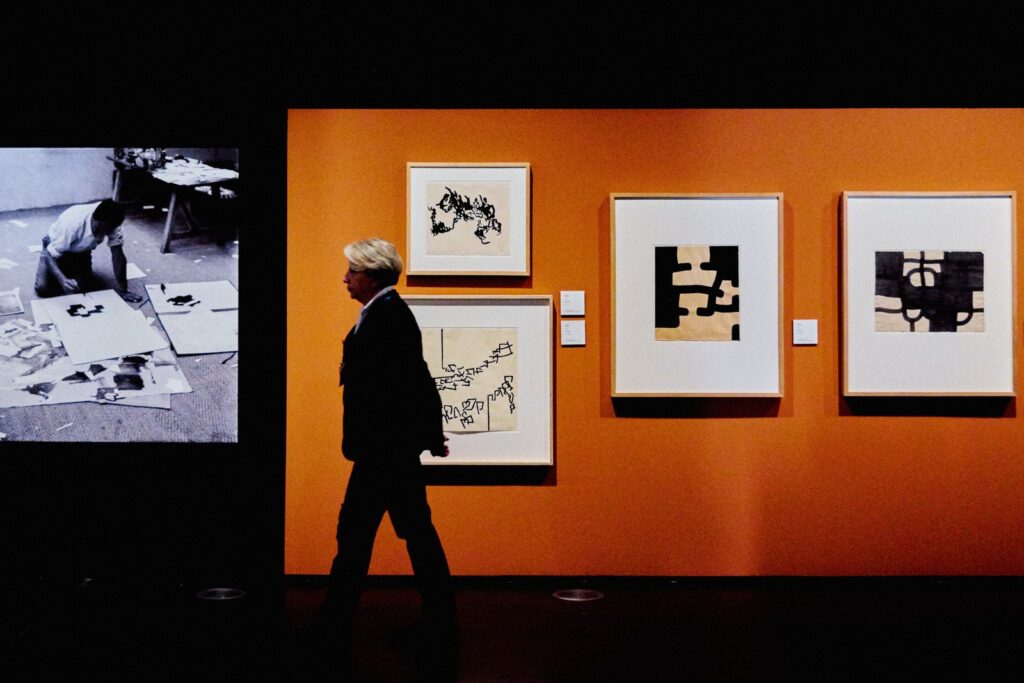
Regarding the graphic work in the exhibition, we can understand that it brings together the keys to Chillida’s plastic thinking, being, therefore, fundamental to understanding the rest of his production. Unlike so many, the one from San Sebastián did not use paper only in preparatory sketches, but rather granting it a singularity and autonomy entirely his own.
In addition to very representative pieces, such as Sketch for the Plaza de los Fueros of Vitoria either freedom cagewe can see in Conde Duque a selection of his geometric drawings or engravings executed in ink, charcoal or sanguine. We will see that its aesthetic principles agree with those of the sculptures, in many cases; other times they constitute representations of their own open or clasped hands, as exercises to capture volume and space, and also as a symbol of the energy of the work that those hands carry out. His clearly figurative creations on paper will be his obviously expressive portraits, which he dedicated to his wife and children, as well as to himself.
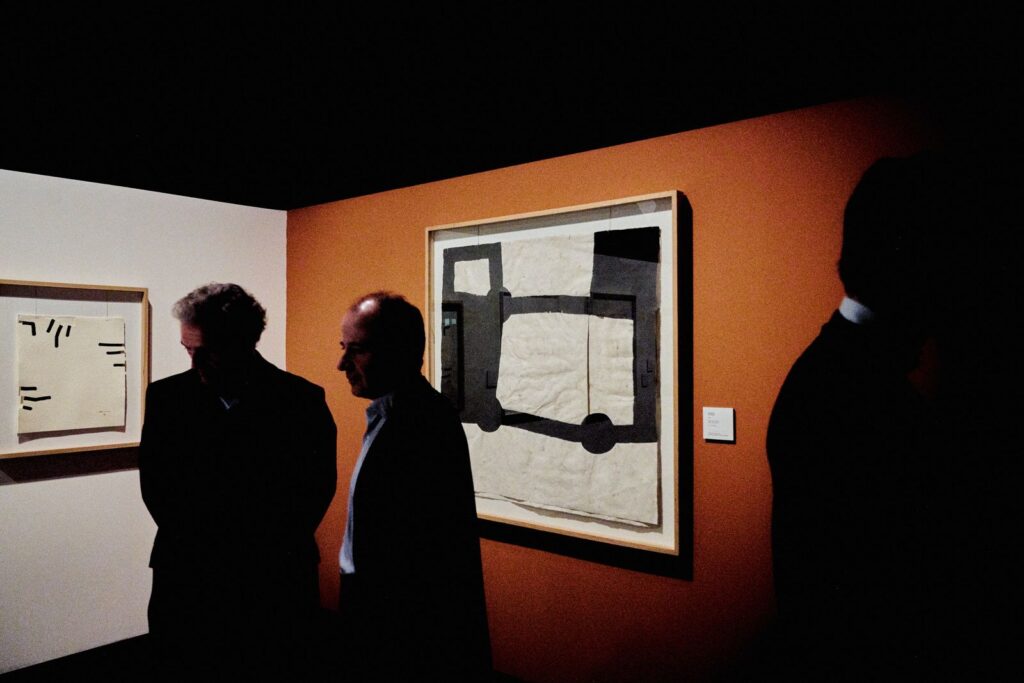
Along with these images, collages made with torn and cut papers and the series of gravitations, white and ink, which he made since 1985. They are linked, again, to his sculptures, because they contain, despite their materials, a third dimension introduced by the cuts that compose them.
“Soñar el Espacio” can be visited until June 21 and has been curated by Alicia Vallina.
Eduardo Chilldia. “Dreaming space”
CONDE DUQUE CULTURAL CENTER
C/ Conde Duque 9, 11
Madrid
From February 17 to June 21, 2026