
Malaga,
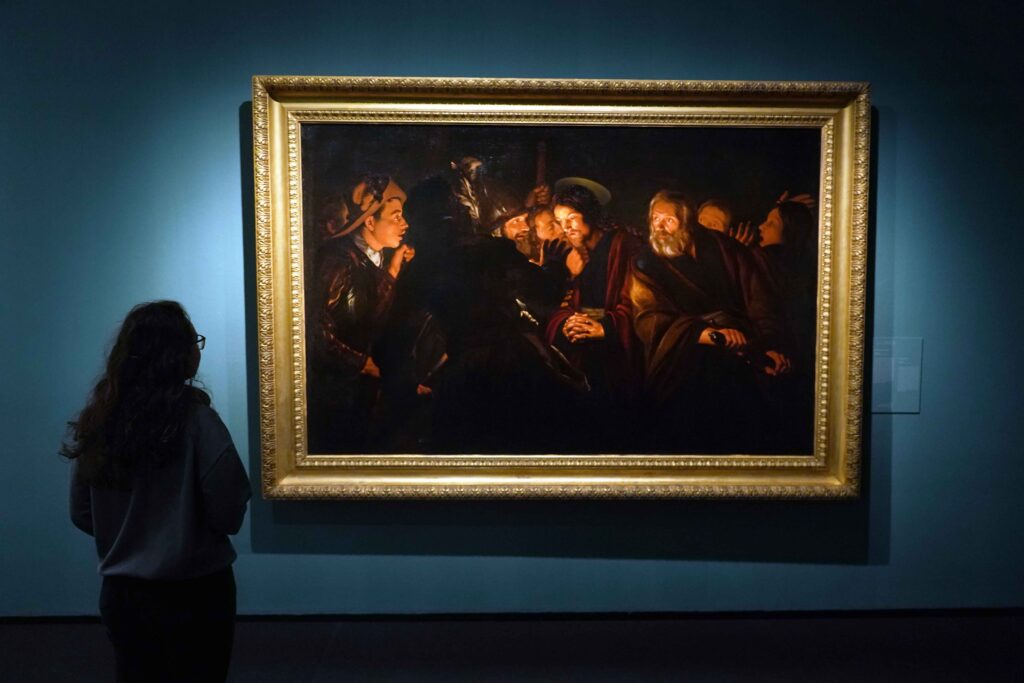
Without light in painting, and its shadow counterpart, we would not be able to perceive the objects, their shapes and sizes or their location in space: we would see monochromatic planes, without volumes or depth. If it were not for the contrast and gradations between light and dark, vision would not be possible. But that is only one, the most basic, of its powers: in all stages of the history of art, and especially in the Baroque, light and brightness suggest the supernatural, that which escapes tangible reality, and when enhanced on faces or objects they raise particular symbolisms and also emotions; Few resources allow, to that extent, to move.
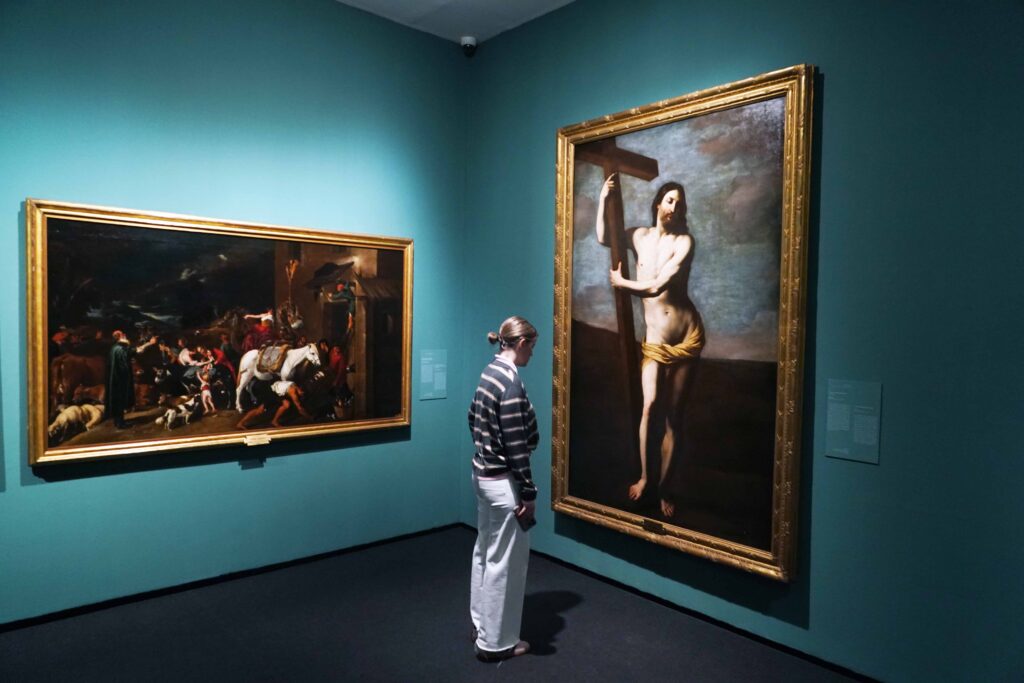
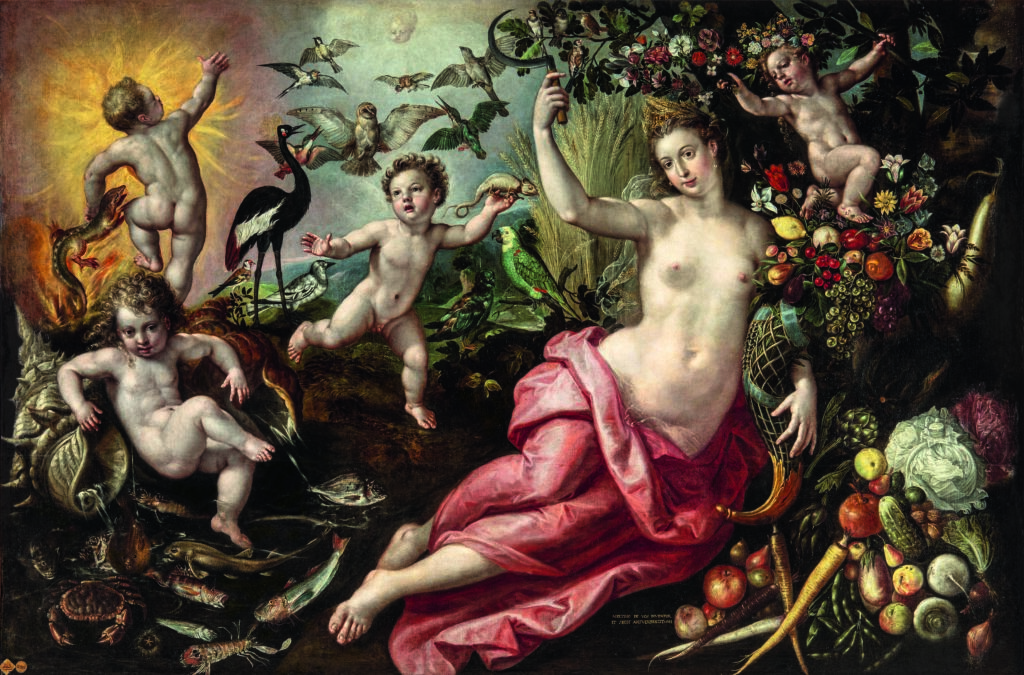
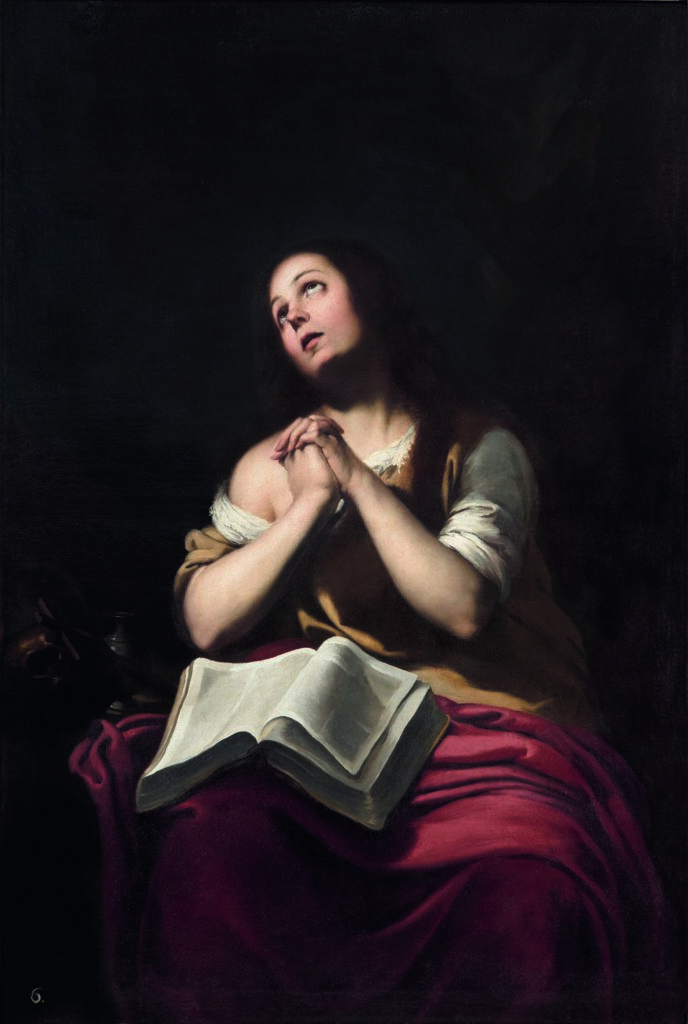
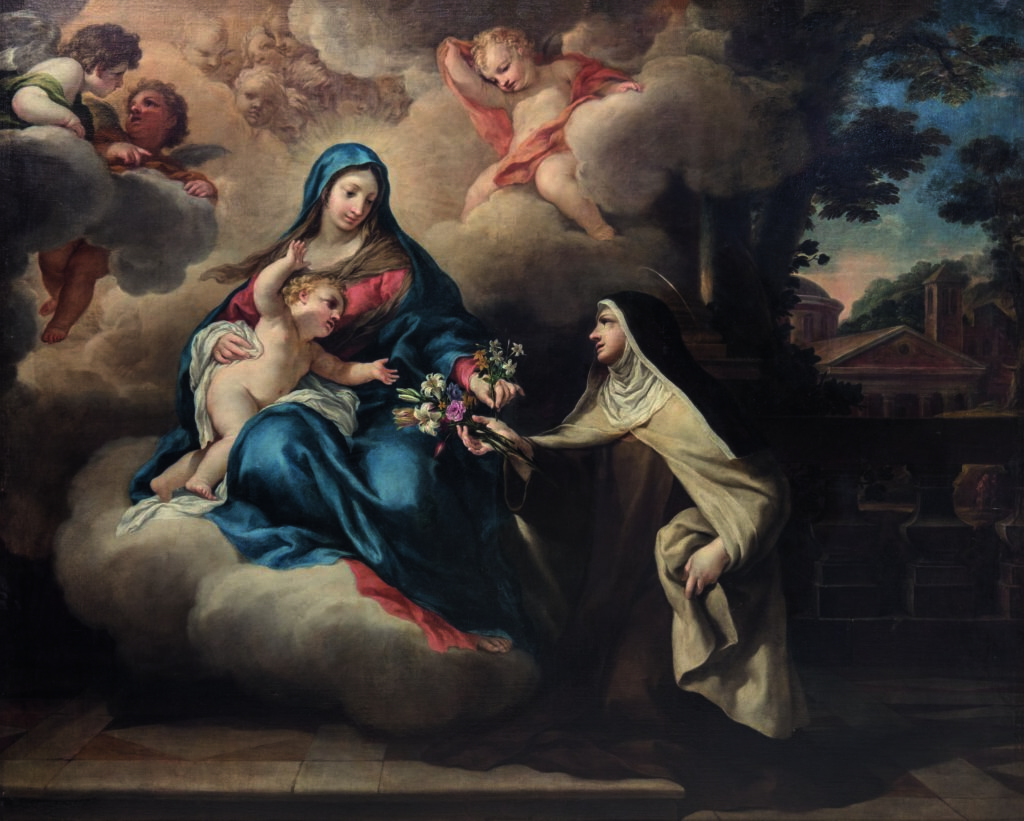
“The journey of light: from Guido Reni to Murillo” is the title of the exhibition that the Unicaja Foundation Cultural Center of Malaga has just presented to the public, with the support of the Royal Academy of Fine Arts of San Fernando. Through eighty baroque paintings from the funds of this last institution we are proposed to review to what extent light and shadow changed everything at this time, in the whole of Europe (we will see Spanish, Italian and Flemish works) and in all genres of that discipline (from portraiture to landscape, through still life and religious and mythological scenes).
Curated by Mercedes González de Amezúa, until a decade ago a conservative at the Royal Academy, the exhibition will also allow us to address technical issues: compositions by authors from different generations have been intentionally selected so that we can see how each of them resolved their use and treatment, adjusting to their different languages -earlier or more advanced, Mediterranean or northern- the handling of luminosity, soft and harmonious at times, forceful and tenebrist at others.
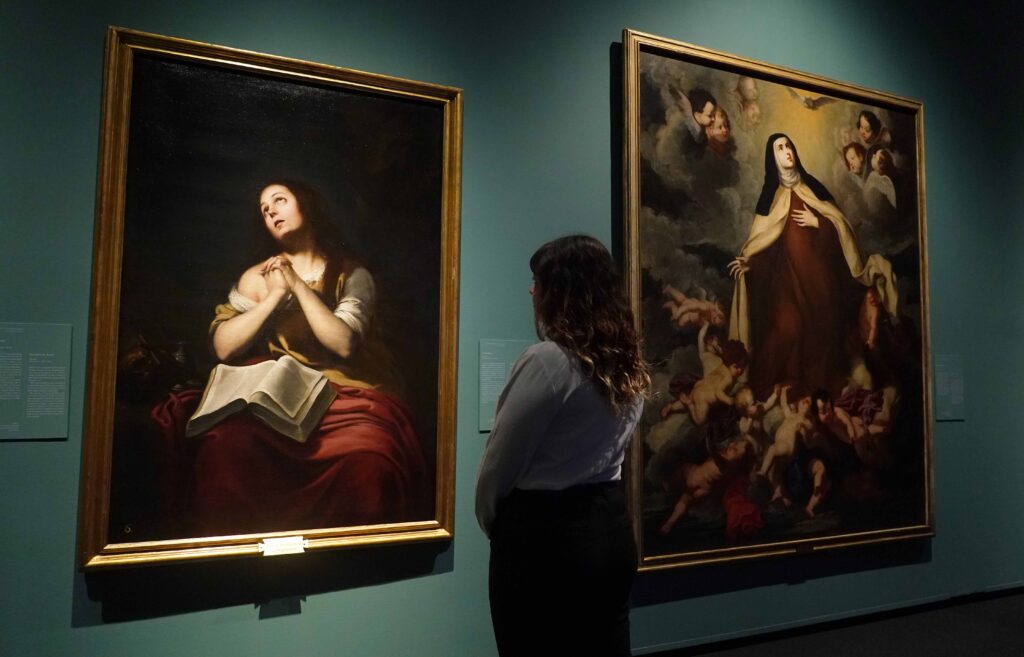
Four sections structure the exhibition, which begins with a mannerist chapter, with pieces close to the late Renaissance in which the optical suggestion of movement was important, but also the generation of depth through light. In this first section we will see works by Jacopo Bassano, a pioneer in the creation of scenes constructed with strong chiaroscuro effects caused by artificial light sources; Tintoretto, whose religious production moves through color, light or foreshortening; or Vicente Carducho, who put his lighting treatment at the service of compositional balance and moderation in the palette.
Beginning of the Baroque and Caravaggism brings us works by great Italian and Spanish figures, such as Guido Reni, who also used light to link the earthly and the divine, beauty and the transmission of faith, or José de Ribera, a great representative of baroque naturalism and the use of chiaroscuro with a dramatic and monumental sense.
A third section includes a different Baroque, which gave primacy to color over drawing, represented here by Alonso Cano, who in Seville discovered tenebrism under the Italian and Flemish influence; Juan Carreño de Miranda, who sought sobriety and lack of artifice; Murillo, who also used light with expressive weighting but wanting to arouse fervor; Juan de Arellano, who used it to highlight the beauty of his flowers; or Luigi Amidani, a lesser-known painter from Parma who accompanied Velázquez on his first trip to Italy.
Finally, the epigraph Brightness it shelters Luca Giordano, very versatile but dark; Antonio Palomino, who illuminated in the service of his decorativeism; Claudio Coello, who used light to enhance the scenographic sense of his compositions; or Salvator Rosa, peculiar author, very expressive and almost fanciful.
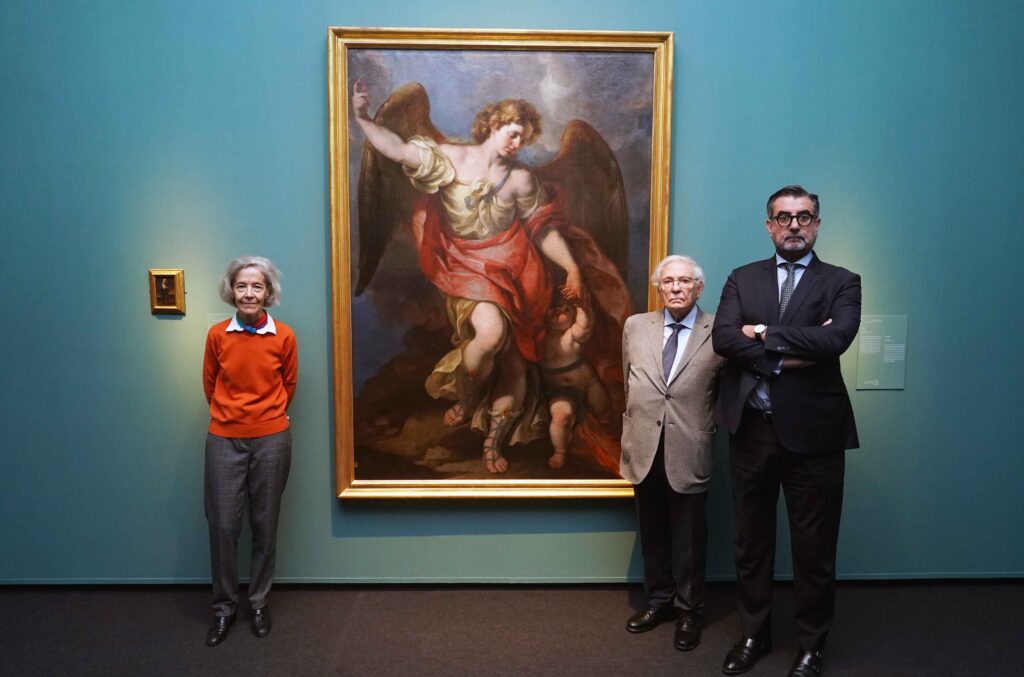
Many of these works visit Andalusia for the first time and a good number have been restored for the occasion, such as The Battle of Clavijoby Orazio Borgianni; Priam and Thisbeby Matías Jimeno; Saint Teresaby Andrea Vaccaro; Taking of the habit of Blessed Orozcoby Bartolomé González; either Immaculate Conceptionfrom Palomino, whose third centenary is commemorated this year.
We can highlight among the works exhibited the Cupcake of Murillo, who did not leave Spain in 1779 thanks to a royal decree of Carlos III that prohibited selling paintings by deceased authors abroad; fabrics by Alonso Cano, Martín de Vos, Pedro de Orrente or Luca Giordano that were part of the collection of Manuel Godoy, one of the most important of the Spanish nobility in the 19th century; either Risen Christ embracing the cross of Reni, one of the few that was saved from the fire of the Alcázar of Madrid in 1734.
This exhibition is the result of an agreement between the Unicaja Foundation and the Royal Academy of San Fernando to promote joint temporary exhibitions in Madrid and Malaga, which is why in 2027 it will be able to be seen in the capital. It is accompanied, in its current Andalusian headquarters, by conferences, theatrical and guided visits or concerts.
“The journey of light: from Guido Reni to Murillo.”
UNICAJA FOUNDATION CULTURAL CENTER
Bishop’s Square, 6
Malaga
From February 18 to July 5, 2026


