Today is a day of celebration in Zaragoza: after a little more than a year and a half closed for expansion works designed by Sebastián Arquitectos, and coinciding with the 150th anniversary of the Ibercaja Foundation, the Goya Museum reopens its doors. Its visitors will find substantial changes: the center now has an area of more than 4,600 square meters, a larger space for temporary exhibitions and redistributed rooms, but the news is already waiting for us at the door, because a new, imposing, stone one has been designed on Santiago Street, inspired by its engravings, as well as a terrace with views of the Plaza del Pilar.
The renovation will allow the incorporation of current technological resources to bring the painter’s production closer to a wide audience – including virtual reality and immersive experiences – and this accessibility will also materialize in the form of more extensive and interconnected spaces, with ramps and functional improvements. As for the rooms intended for temporary exhibitions, they will reach three hundred square meters at double height and the inaugural project, which we will talk about later, has been curated by Luis Fernández Galiano: it is «Solo Goya. “The art of seeing.”
The remodeling work has also led to some discoveries: the recovery of the gallery of arches in the upper area of the 16th century house has made it possible to rediscover one of the most unique elements of this property and give prominence to that heritage dimension.
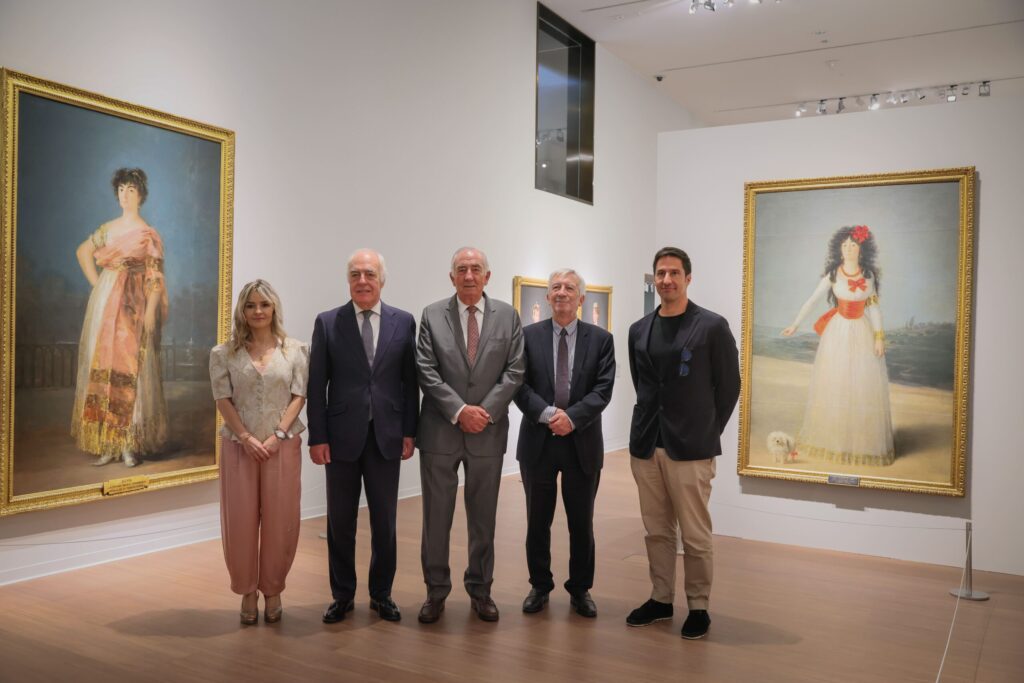
Inauguration of the Goya Museum. Ibercaja Foundation
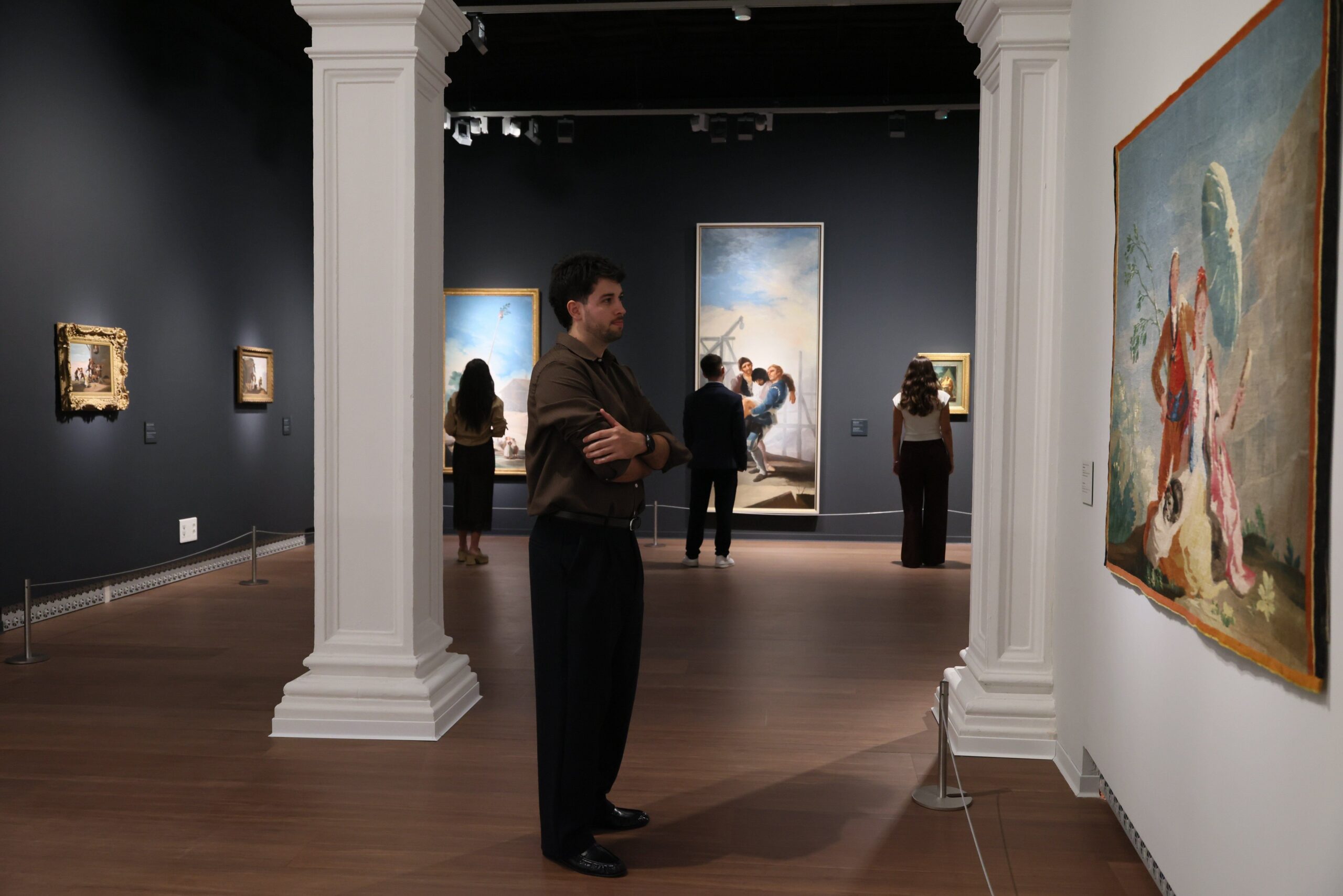
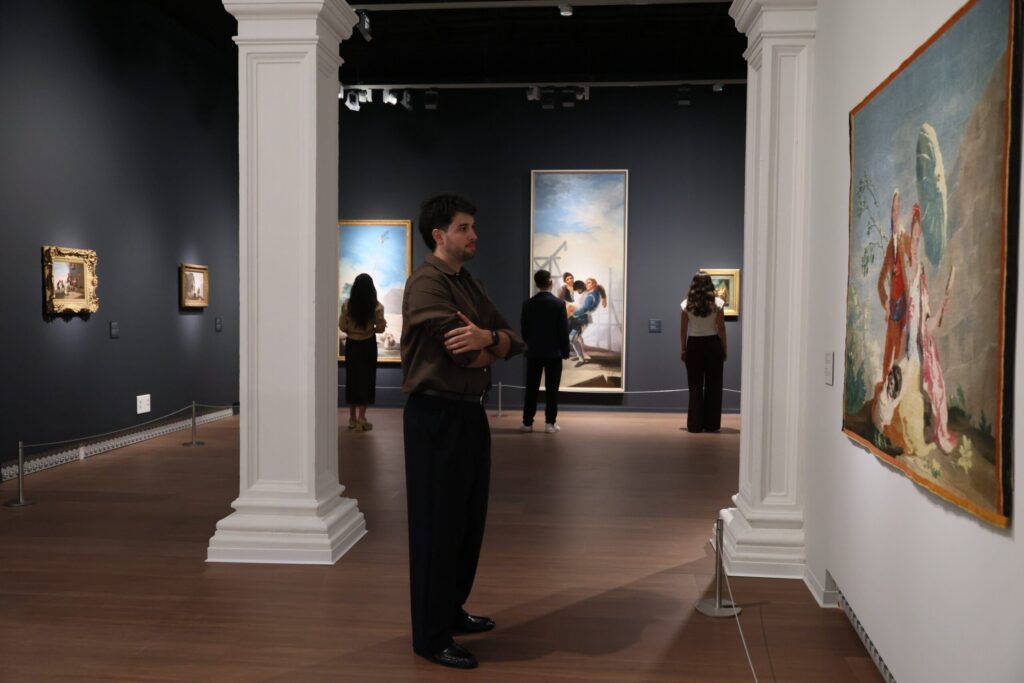
When visitors to the Goya Museum enter its facilities, they will first delve into its collections, organized in favor of clarity: they will begin by learning about the author’s background before delving into his journey and his legacy; The itinerary also includes a renovated print room that now includes the so-called Copies of Velázquez (1778-1785) and others until now not exposed to the public. Another notable addition will be the models of Francisco Bayeu, which could previously be seen in Patio de la Infanta.
The entire permanent collection of this institution has been restored and cleaned during the months of closure, and not all of the latest entries will be from the author of The family of Charles IV: thirteen panels and a box of notes by Joaquín Sorolla will surprise us, so that we can establish possible relationships between two artists who, from evidently different languages, favored anchoring Spanish painting in modernity; and the piece Goya’s dreamby the Cuban artist Roberto Fabelo, who revisits the Goyesque imaginary from our moment, expanding the narratives and subjectivities that the Ibercaja Foundation gives us around the genius.
Goya Museum. Ibercaja Foundation
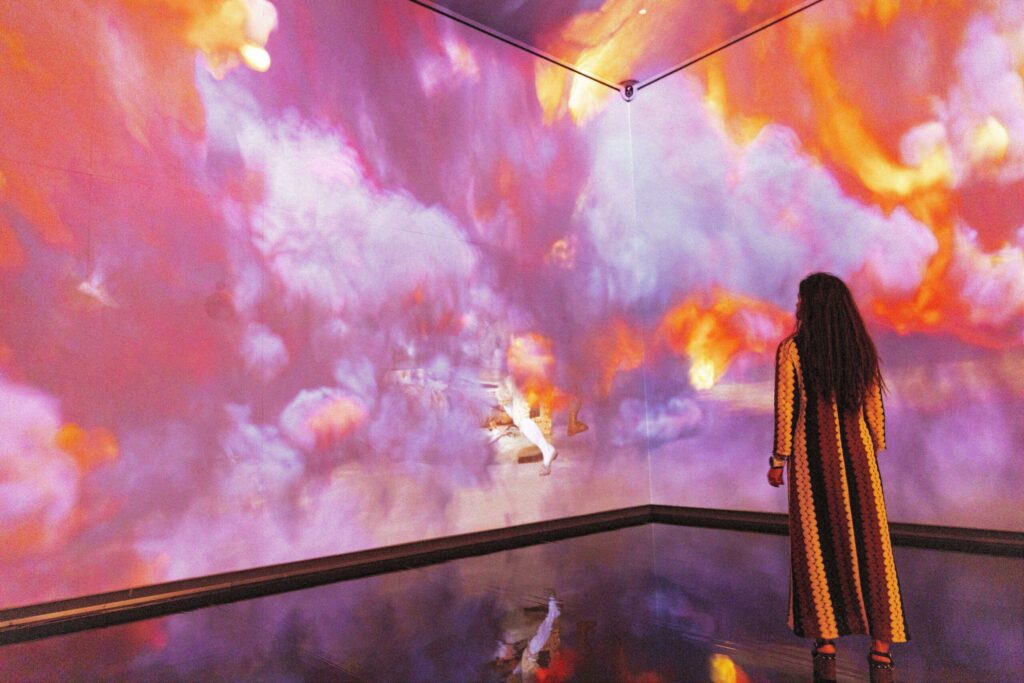
We indicated that technology completed the museum’s exhibition approach, fundamentally to contextualize the original pieces: it highlights the immersive experience Goya, the great observerdisplayed on several screens with a height of two floors, but immersive projections, music, sound and visual impacts inspired by the Fuendetodos universe have also been introduced, in his observation of the events and society of his time, his attention to psychology in portraits and his reflection on universal issues linked to the human condition, which still continue to challenge us.
Another interactive experience is offered to the intaglio and lithographic techniques that the artist used in the creation of his graphic production, in order to emphasize the procedural advances that he made his own, and a selection of pieces have been digitized in high and super high resolution so that we can approach details imperceptible to the eye and delve into the materiality of his fabrics and drawings. The Goya Museum will also apply virtual reality and audiovisuals to the frescoes of the Basilica del Pilar, the Aula Dei and San Antonio de la Florida; to the geolocation of Goyesque compositions in museums around the world; to the relevance in his production of the War of Independence and the Sieges of Zaragoza; and to the reflections of the critic and theorist John Berger on the premonitory nature of his concerns.
We mentioned at the beginning that the first temporary exhibition of this center is “Solo Goya. “The art of seeing”: is structured around nearly fifty works from essential national and international institutions, such as the Prado Museum, the National Gallery in London, the Uffizi, the Hispanic Society of America, National Heritage or the Thyssen-Bornemisza Museum.
Another of the fundamental novelties of the opening of the Goya Museum has an academic dimension: the Francisco de Goya Study Center was born, whose collection has more than 1,400 specialized volumes and documentary collections from very relevant collections, such as those of Federico Torralba, Pérez Serrano, Camón Aznar or the Academy of Nobles and Fine Arts of San Luis. The purpose of this initiative is twofold: to promote research on Goya and to be a meeting point for specialists, students and creators.
This art gallery wants to present a Goya of the future for the next generations; For now, it opened today and will also do so during the weekend and on October 12.
Goya Museum. Ibercaja Foundation
GOYA MUSEUM. IBERCAJA FOUNDATION
C/ Santiago, 28
Saragossa