Pamplona,
It is not common for the educational areas of museums to be the ones to devise and curate their exhibitions, but a first decade of activity, both at the University of Navarra Museum and its training programming, explains why these tables have turned in the case of “Can a painting be my friend?”
The creators of this exhibition, headed by Fernando Echarri and Teresa Barrio, thus emphasize that the exhibition is the usual space where this educational team develops its work, in which, by its very nature, other departments also collaborate. This title is taken from the question posed by a little visitor to the MUN, which it was decided to sharpen: despite its apparent innocence, from the outset the question reveals the capacity of art to raise doubts and debates and generate unexpected avenues of knowledge, surely in a warmer and freer way than in other contexts.
This proposal reminds us that the educational initiatives of almost all museums, including those linked to the University of Navarra, have no audience that they do not address (from schoolchildren to seniors in residences, from students to vulnerable people) and that, therefore, the paths to reach them will necessarily be diverse. Sticking to the MUN, they go through interdisciplinary education; the development of the “learning to think” competence; encouraging creativity and alternative ways of thinking; working with educational methods such as visual thinkinghe object-based learninghe learning by doingcollaborative work and thinking routines such as “I see-I think-I wonder”; emotional and affective education; and education in values.
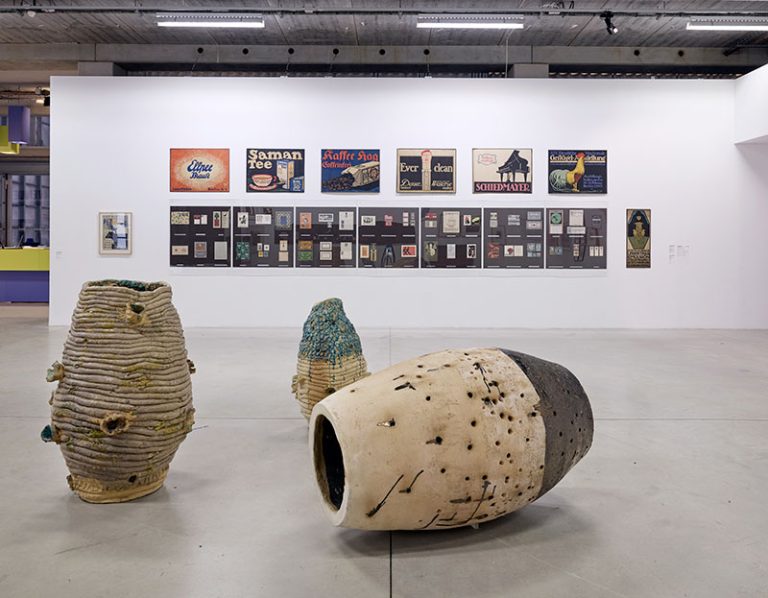
The route of this exhibition is organized into thematic nuclei in which pieces belonging to the museum’s collections alternate with murals made together with the participants in several of these programs; others, of course, will be carried out in this one and, if we want to join, we will have the materials at hand.
A first section consists of quotes from Tàpies, Rachel Carson, César Manrique, Rothko, Dorothea Lange, Duchamp, Picasso and Palazuelo that outline different ways of approaching the notion of vision education; some well known, like the one about creativity must find you workingand others focused on the possibilities of looking like children or artists. In any case, it defends this start of the exhibition that achieves what we can call quality in the look It requires effort, especially attention, but its gratification is also generous: perceiving what is not seen.
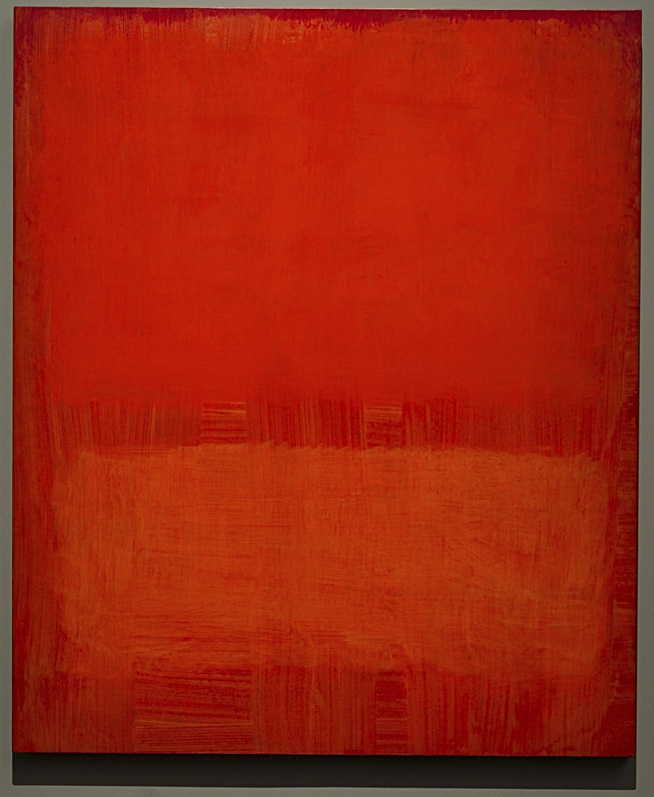
Below is a series of modules dedicated to artists, concepts or works on which MUN educators have worked throughout the history of this space. The first will be Rothko experiencesan initiative in which more than 1,500 schoolchildren took part in 2019: after contemplating a work of his from 1969, taken from the museum’s collections, they were able to discover that, despite its simplicity, its color fields demand intense time and attention and that they can generate emotions and psychological effects in those who observe them.
For many of them, the experience itself was unusual – the fact of spending many minutes on a single object – and it also gave rise to shared findings and the possibility of overturning prejudices associated with contemporary art, broadening their mental frameworks and making them aware of the highly personal and subjective nature of their tastes.
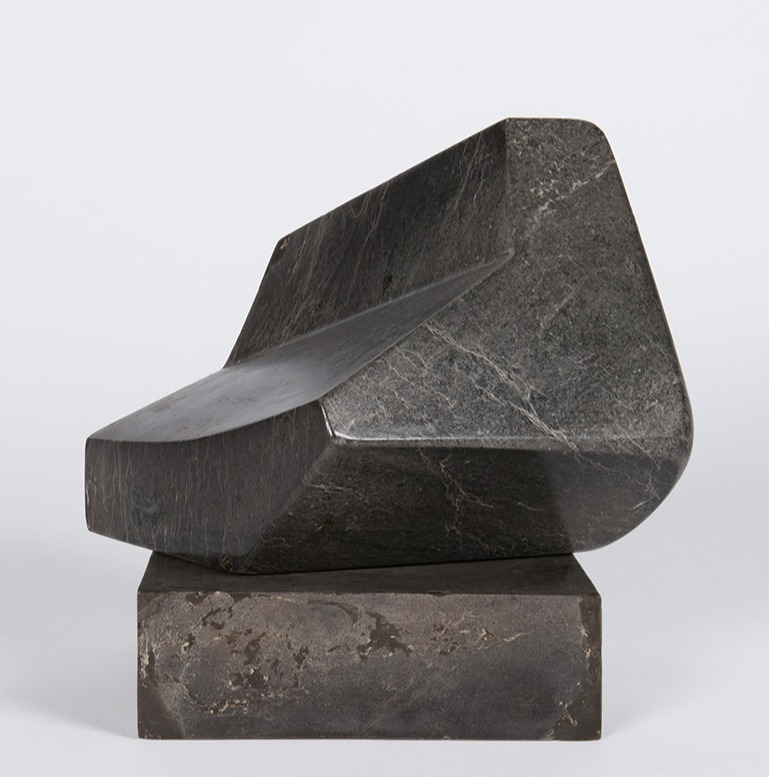
He Guernica by Picasso and Stela for a peaceful town that was Guernica of Oteiza were the starting point of another project for students in 2017. The students represented, each in their corresponding grids, their idea of peace as a path to follow and, given the success of the initiative, which was published in the Journal of Museum Educationthe promotion of coexistence would be the subject of successive activities in the following years.
A third module strengthens ties between Wassily Kandinsky and the Plaza del Castillo in Pamplona in space-time: the Russian, along with other Bauhaus authors, traveled to the south of France and the north of Spain, also to the Navarrese capital, and acquired a postcard of that square. The event served to introduce schoolchildren, from the local to the global, to abstraction and the possibilities it offers for critical reflection and self-knowledge. Their works could be seen in the Nuevo Casino.
A fourth module of the exhibition focuses on the elderly and care, and on museums’ options to convey well-being. Under the motto “QUIDARTE”, concerts, dance shows, theater, workshops and conferences were organized aimed at strengthening the relationships between the plastic and performing arts and health; The elders themselves carried them out during the months of the pandemic, virtually and in person, and were later honored by schoolchildren in subsequent activities.
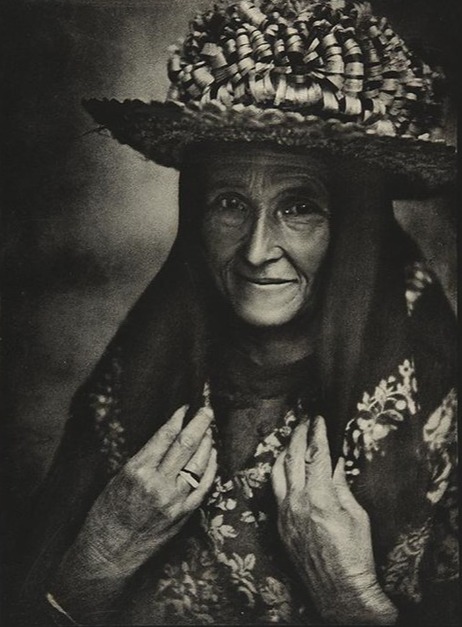
The last chapters are for Women in the artsremembering the roles and stereotypes that are associated with them in the creative sphere, featuring works by Jane Clifford, Lynne Cohen and Cecilia Paredes; The multicultural pyramida proposal of an attentive look at social diversity by the French photographer Pierre Gonnord; and A university museumaround the links between museums and the educational context, especially deep if we talk about the MUN.
This exhibition therefore offers a compendium of routes that a museum can trace when it comes to promoting observation, knowledge and creativity. That they are vital attitudes and not just artistic, hence they appeal to all of us.
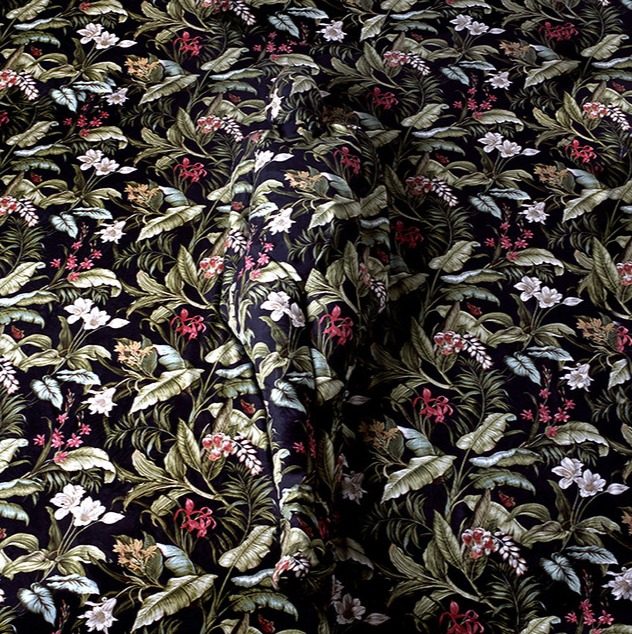
“Can a painting be my friend?”
UNIVERSITY OF NAVARRA MUSEUM
University Campus, s/n
Pamplona
From February 11 to August 16, 2026