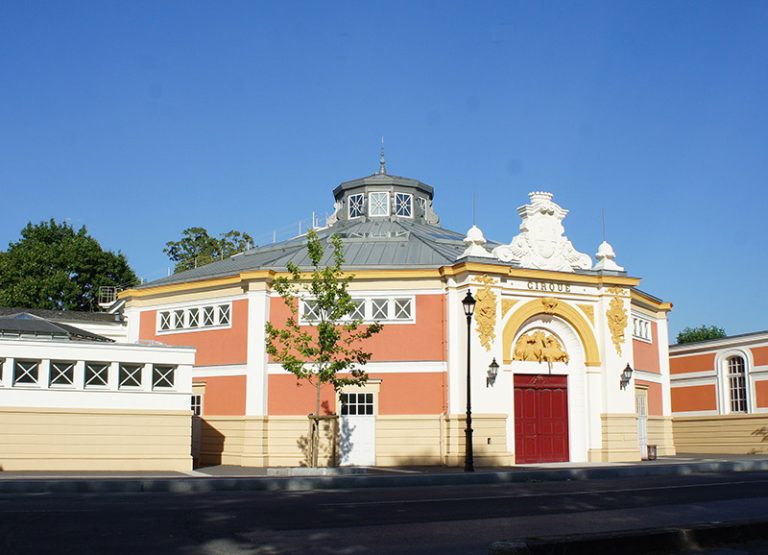
Bruges, Belgium. It was last May, barely six months ago. Bruges inaugurated with “Brusk” a new art venue, a set combining exhibition rooms, reserves and a research and documentation center, also intended to become the showcase of the museum district in the heart of the historic city. But on September 2, its director, Kristl Strubbe submitted her resignation.
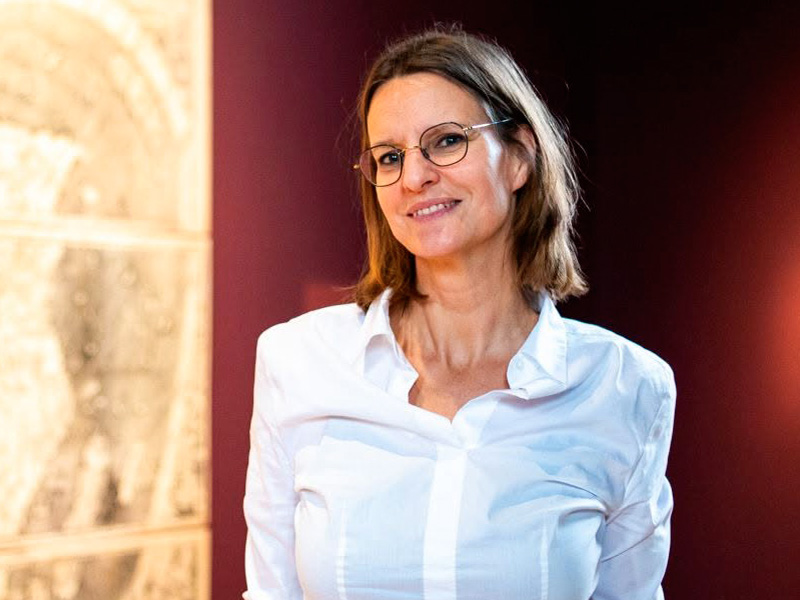
A trained journalist and then municipal councilor, she was a consultant in cultural matters when she was chosen, barely a year ago, to direct Musea Brugge, an entity which brings together the museums of Bruges. If the municipal authorities on which the structure depends expressed their surprise, while respecting the decision, on the side of the unions, on the other hand, a different story was heard. Today it is a question of “problematic management” staff while notifications for harassment have been filed with the prevention advisor. Kristl Strubbe denies the facts and cites, to justify his resignation, a lack of trust and support within the management team of Musea Brugge.
Former director of museums and cultural organizations in Bruges and Flanders, Hubert De Witte regrets that many comments place the blame on Kristl Strubbe, without taking into account the situation which has prevailed for five or six years. “Management in the cultural sector, where funding is always tight, has never been easy. In Bruges, it’s a real basket of crabs. Everyone climbs on top to get as high as possible. The big problem is the rivalry and ambition among museum management staff. I think Mrs. Strubbe first wanted to look after her own health. »
In October 2025, the City began a profound restructuring and centralized the organization of its thirteen museums, which had the effect, it seems, of causing concern and uncertainty among some of the staff.
In a press release published on September 9, the City of Bruges does not dwell on the reasons for Kristl Strubbe’s departure, preferring to chart paths for the future. After a brief interim period by the head of the city’s cultural department, it will be Filip Strobbe, the current director of CC Brugge, the city’s most important cultural center, who will take the reins of Musea Brugge. He is credited with excellent experience in cultural management with positive feedback from his staff. For its part, Brusk will benefit from more autonomy under the artistic direction of Alan Quireyns, who has curatorial training in Amsterdam.
Brusk, which is delighted to have welcomed 73,000 visitors (including 75% Belgians) during its first six months of operation, has the ambition to consolidate its stature as an international cultural reference. With in particular the desire to intensify the synergy with the Triennale of Contemporary Art in Bruges.